Guilty Plea Entered in El Paso Cartel Tunnel Case
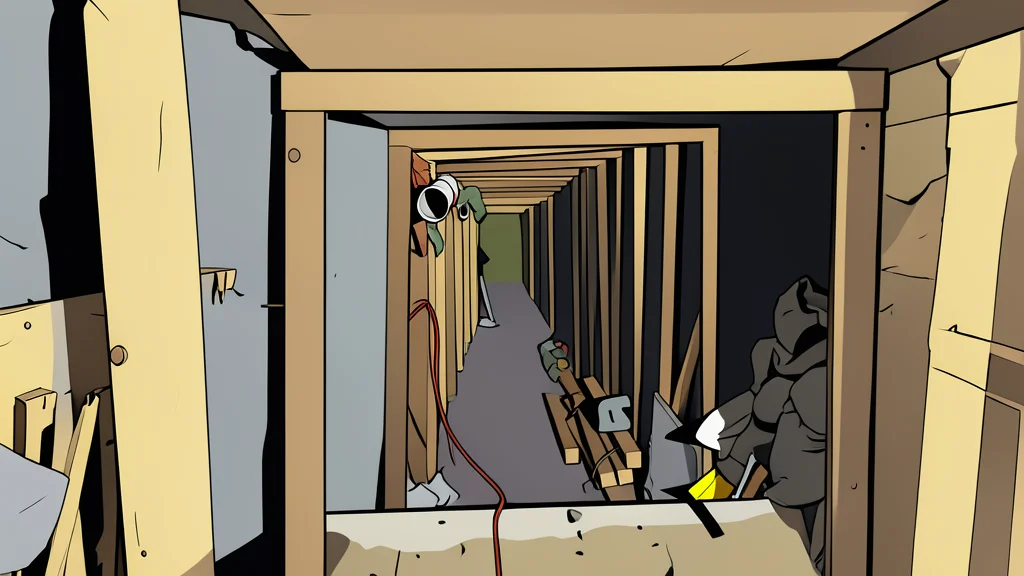
A 29-year-old Mexican national has admitted his role in a sophisticated underground smuggling operation linking Ciudad Juárez and El Paso, according to federal court records.
Luis Carlos Davalos-Lopez, 29, entered a guilty plea in federal court in El Paso to one count of conspiracy to bring aliens into the United States. The admission relates to a criminal network that utilized an engineered subterranean passage to facilitate the unlawful entry of migrants across the border. Federal authorities have linked this specific infrastructure to the Cartel de Jalisco Nueva Generación, citing intercepted communications and investigative findings.
Tunnel infrastructure linked to CJNG
According to court documents, law enforcement agencies first identified the tunnel in January 2025. The structure ran between Ciudad Juárez, Mexico, and El Paso, Texas, representing a significant engineering effort for cross-border smuggling. Investigators noted that the tunnel was associated with the Cartel de Jalisco Nueva Generación, which allegedly used it to move humans, drugs, and firearms. The discovery of such infrastructure underscores the evolving methods employed by organized crime groups to bypass traditional border security measures.
Intercepted communications indicated that defendants charged up to $30,000 per person for passage through the tunnel. Davalos-Lopez was indicted in April 2025 and subsequently transferred to the United States by the Mexican government under its National Security Law. This transfer highlights the increasing coordination between U.S. and Mexican authorities in targeting transnational criminal organizations. The case is part of a broader enforcement effort documented in the GN auto geopolitics/americas: Mexico cartel reporting stream, which tracks patterns in cross-border illicit activity.
Co-defendants and financial networks
The broader investigation has resulted in guilty pleas from other individuals involved in the operation. Maria Del Rosario Navarro-Sanchez pleaded guilty to charges involving firearms trafficking that supported the cartel’s activities. Gustavo Castro-Medina also entered a guilty plea related to financial wire transfers used to procure weapons. These parallel cases illustrate the multi-faceted nature of the criminal enterprise, which relied on both human smuggling and arms trafficking to sustain its operations. The involvement of multiple actors suggests a well-organized network with distinct roles for logistics, finance, and enforcement.
Sentencing and interagency coordination
Davalos-Lopez faces a maximum penalty of ten years in federal prison, although a specific sentencing date has not yet been set. The investigation was a multi-agency effort involving the FBI, ATF, DEA, and Homeland Security Investigations, with assistance from U.S. Border Patrol and international partners. These actions were conducted under the umbrella of Joint Task Force Alpha and the Homeland Security Task Force initiative. ATF Director Rob Cekada stated that the agency’s focus remains on stopping those who traffic human beings and firearms, emphasizing a commitment to holding accountable those who exploit communities and fuel cartel violence.
As the legal proceedings move toward sentencing, attention will likely turn to the potential penalties for the remaining co-defendants and the broader implications for border security policy. The discovery of the tunnel and the subsequent prosecutions highlight the continued challenges in disrupting sophisticated smuggling networks. Observers will watch for further legal actions against other members of the alleged CJNG-linked operation and any new intelligence regarding similar infrastructure along the border. The case serves as a reminder of the persistent and adaptive nature of transnational criminal organizations in the region.