California Enacts Laws Mandating Labeling of Election Deepfakes
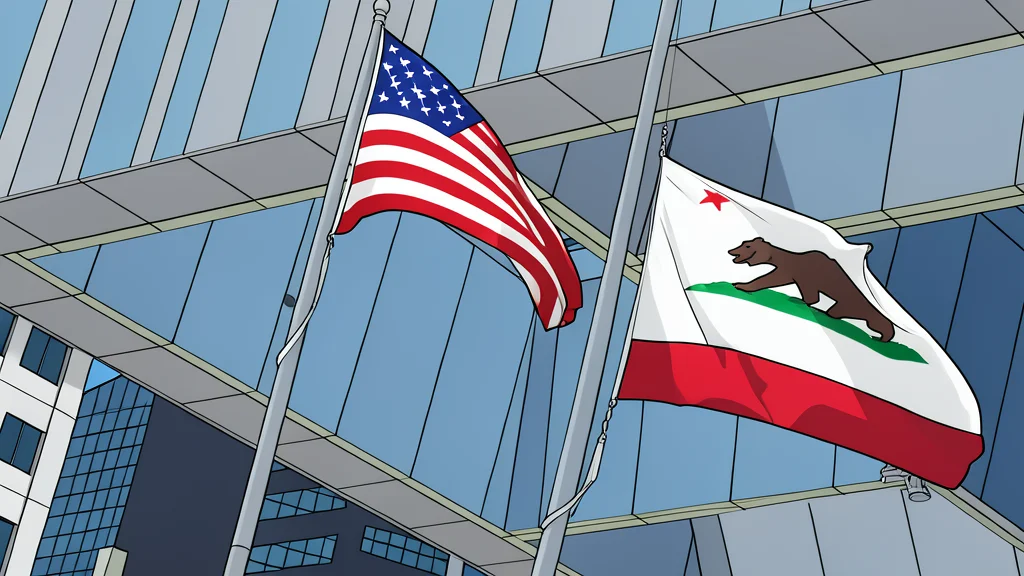
California governors signed measures requiring platforms to label or remove deceptive synthetic media, sparking First Amendment debates.
Key points
- California enacted laws requiring platforms to label or remove deceptive synthetic media during election periods.
- The legislation allows candidates to seek injunctive relief against the distribution of knowingly false deepfakes.
- Civil liberties groups argue the measures may violate First Amendment protections for political speech and satire.
California has enacted a new legislative package designed to shield state elections from what officials describe as potential federal interference. Governor Gavin Newsom signed the laws into effect, citing recent federal actions such as restrictions on mail-in voting and the deployment of monitors at polling places. The legislation aims to address the growing threat of deceptive digital media targeting democratic processes.
According to reports from dig.watch, the new statutes impose specific obligations on digital platforms and political campaigns. They require the detection, labeling, or removal of synthetic media that misleads voters about candidate actions or election integrity. The measures are intended to create a clearer framework for handling disinformation during critical electoral periods.
Statutory Requirements for Digital Platforms
The signed legislation directs online services to identify and address deceptive deepfakes involving political figures or election officials. This applies particularly in the weeks leading up to voting dates. Additionally, political committees must provide clear disclosures when their communications utilize material generated or altered by artificial intelligence.
Candidates and election authorities are granted the ability to seek legal remedies against individuals or platforms that knowingly distribute materially false synthetic media. This provision seeks to deter the spread of automated disinformation that could undermine public confidence in the electoral process. The framework represents a significant step in state-level regulation of online political discourse.
Constitutional and Legal Challenges Ahead
Civil liberties advocates and technology industry groups have already signaled opposition to the new rules. They argue that state-mandated removal and labeling requirements may infringe upon protected political speech under the First Amendment. Critics warn that such measures risk over-censoring legitimate political parody and satire.
Industry associations have also raised concerns about the operational burden of complying with fragmented state standards. They note that differing technical obligations across jurisdictions create complexity for global networks. These legal challenges are expected to test the boundaries of state authority over content moderation and free expression.
Implications for Federal Preemption Debates
California’s move intensifies the broader debate over federal preemption in regulating digital platforms. By directly challenging traditional safe-harbour protections under Section 230 of the Communications Decency Act, the state is testing constitutional limits. The outcome of upcoming legal battles could establish a precedent that influences platform liability discussions nationwide.
With federal legislative proposals stalled, individual states are increasingly taking the lead in protecting democratic institutions. Observers will watch closely for the first legal challenges to these statutes and how courts balance the need for election integrity against freedom of speech. The coming months will be critical in determining the scope of state power over digital political communications.