Oman Mediates U.S.-Houthi Talks Despite Trump Threats

Muscat is facilitating direct communications between Washington and Ansar Allah to de-escalate tensions in the Red Sea and Yemen.
Key points
- U.S. officials met with Houthi representatives at the U.S. embassy in Muscat with Omani mediation.
- Secretary of State Marco Rubio affirmed support for deepening ties with Oman in a recent phone call.
- Oman views stability in the Red Sea and Bab el-Mandab as vital to its economic and security interests.
Despite recent rhetorical threats from the White House, the United States is relying on Oman to facilitate critical diplomatic channels with Iran and Yemeni actors. This pragmatic pivot underscores the strategic value of Muscat’s neutral position in a region currently marked by escalating military tensions. According to Responsible Statecraft, the administration’s need for a functioning relationship with Oman outweighs previous hostile rhetoric.
The situation was highlighted when President Donald Trump issued warnings against Oman following its engagement with Tehran regarding the Strait of Hormuz. However, these threats have not deterred Washington from seeking Omani assistance in de-escalating the conflict. The dynamic illustrates a complex diplomatic reality where strategic necessity often supersedes political posturing in high-stakes regional crises.
Muscat as a strategic interlocutor
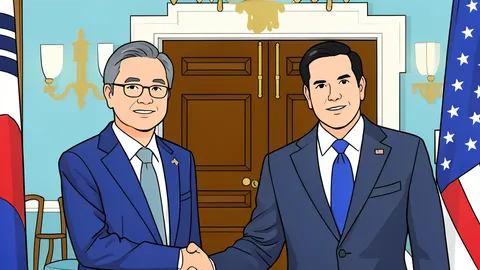
Secretary of State Marco Rubio recently spoke by phone with Omani counterpart Sayyid Badr al-Busaidi, expressing support for deepening ties between the two nations. A former Omani diplomat, speaking to Responsible Statecraft, described this interaction as a form of strategic correction. The diplomat noted that Washington views Oman as an essential bridge to other regional actors, particularly in the context of the widening U.S.-Iran crisis.
This diplomatic engagement is not merely ceremonial. It reflects a recognition that Muscat serves as one of the few remaining venues where multiple conflicting parties can communicate. The former diplomat emphasized that the relationship is viewed in Oman as a necessary component of regional stability, rather than an isolated diplomatic courtesy.
Direct contacts regarding Yemen
In a significant development, U.S. officials met with senior representatives of Ansar Allah, commonly known as the Houthis, at the U.S. embassy in Muscat. These meetings were facilitated by Omani mediators and took place following a successful Houthi offensive against forces in Yemen’s west coast. During these discussions, the Houthis reportedly conveyed to U.S. officials that they had no intention of targeting American vessels.
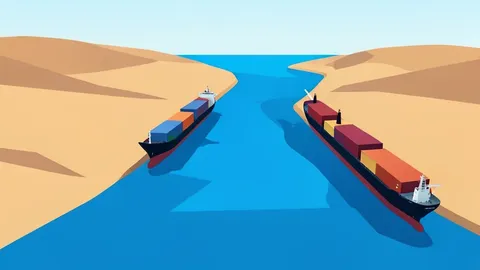
Vice President JD Vance confirmed that Washington is in direct contact with the Houthi movement, following a statement by President Trump that Ansar Allah had requested the U.S. refrain from entering the Yemen conflict. This channel of communication highlights the critical role Oman plays in maintaining a dialogue that prevents broader maritime escalation in the Red Sea and the Bab el-Mandab strait.
Stability of maritime trade routes
Oman’s involvement is driven by its own national security and economic interests. Instability in Yemen and the surrounding waters directly threatens the country’s ambitions for its ports and logistics hubs, which are central to its Vision 2040 development agenda. Omani officials recognize that conflict in the region will inevitably disrupt commerce and energy flows, undermining their economic diversification goals.
David Des Roches, a professor at the Thayer Marshall Institute, explained that while Oman generally maintains a distance from regional problems, it is willing to engage when vital interests are at stake. Treating Muscat as a threat, as some hawkish organizations suggest, would only hinder the U.S. ability to manage the crisis in Yemen and the Red Sea effectively.