Canada Targets US Swing State Industries in Trade War Response
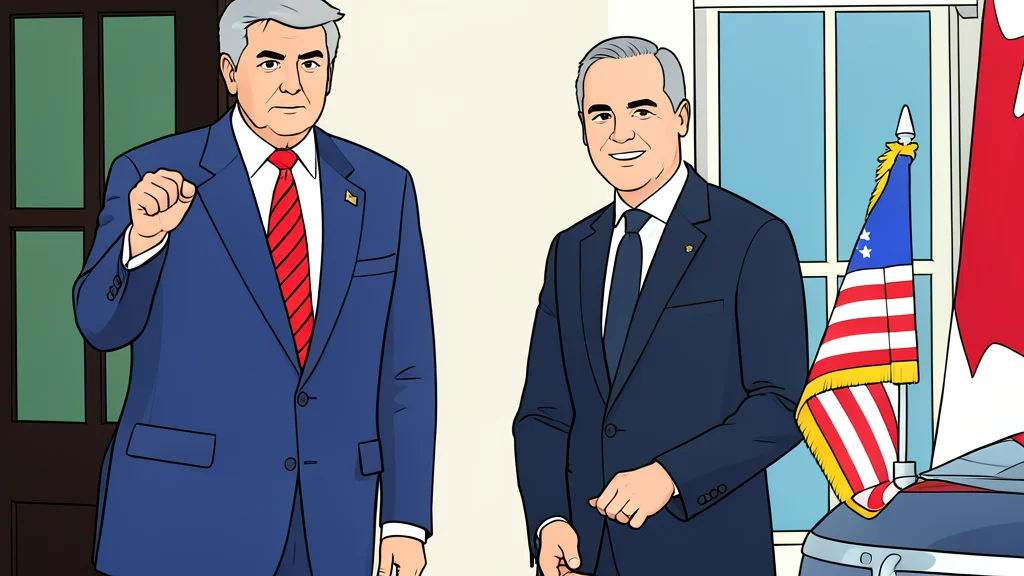
Ottawa is using targeted tariffs on goods vital to politically sensitive regions to counter US trade measures ahead of the midterms.
Key points
- Canada is targeting US swing state industries like cheese and appliances to maximize political impact.
- This strategy mirrors China's 2018 soybean tariff, which affected US farm belt voters.
- US trade focus may be shifting from China to Canada ahead of the midterm elections.
Canada has adopted a calculated strategy in its escalating trade dispute with the United States, focusing its retaliatory measures on products that hold significant political weight in American swing states. According to reporting from dallasnews.com, Prime Minister Mark Carney’s administration is aiming to disrupt specific economic sectors that influence voter sentiment in key districts during the upcoming midterm elections.
While Washington imposed broad tariffs on the majority of Canadian imports, sparing only strategic resources like energy and rare-earth minerals, Ottawa’s response appears more surgical. By selecting items such as processed cheese, shellfish, and household appliances, Canada is targeting industries that are deeply embedded in the political economies of states like Wisconsin, Maine, and Kentucky, where electoral races remain tight.
Targeting Politically Sensitive Sectors
The choice of specific goods reflects a deliberate effort to maximize political impact. Processed cheese is a cornerstone of Wisconsin’s economy, while lobster processing is vital to Maine, and washing machine manufacturing remains a significant employer in Kentucky. Industry Minister Mélanie Joly described the approach as both wise and strategic, acknowledging that the selection of these items is designed to create pressure in regions where the outcome of congressional and state house races could be decided by economic sentiment.
This tactic mirrors a playbook previously employed by China, which successfully targeted U.S. soybean exports during the first Trump administration. By imposing high tariffs on soybeans, Beijing affected the livelihoods of farmers in swing states such as Iowa and Indiana. A 2024 study in the Journal of International Economics indicated that these economic disruptions contributed to Republican vote losses in affected districts, demonstrating the long-term political costs of targeted trade retaliation.
Historical Precedents in Trade Conflict
The current Canadian strategy is not without precedent in the broader context of global trade wars. In 2018, when the U.S. imposed tariffs on Chinese steel and aluminum, Beijing responded with a 25% tariff on soybeans. This move rendered the crop less competitive for U.S. farmers by opening cheaper alternatives for Chinese importers, leading to job losses in the agricultural sector. The political fallout was significant, with Democrats gaining seats in previously Republican-held districts in the Midwest, a shift attributed partly to the economic pain caused by the trade dispute.
Analysts note that this historical parallel suggests Canada is leveraging a proven method of applying political pressure through economic means. By focusing on goods that are not just economically important but also symbolically tied to regional identities, Ottawa aims to ensure that the consequences of the trade war are felt by voters who hold the balance of power in Congress. This approach contrasts with broader, less targeted tariff hikes, which may diffuse the impact across a wider range of industries and thus dilute the political signal.
Shifting Dynamics in US Trade Policy
The effectiveness of this strategy may be influencing current U.S. trade priorities. While China was once a primary target for Trump-aligned trade hawks, the administration appears to have shifted its focus, at least temporarily, toward Canada ahead of the midterms. President Trump has recently referred to China as a strategic trade partner deserving of respect, a rhetorical shift that mirrors previous diplomatic language used toward Canada. This pivot suggests that the political costs of trade wars are being weighed more heavily as the election cycle approaches.
As the trade dispute continues, attention will turn to whether Canadian tariffs on agricultural machinery and other goods will impact states like Iowa, where local factories could be affected by duties. The outcome of this confrontation will likely depend on the extent to which economic disruption translates into political action, with both governments monitoring the impact on key voting districts. The next few months will be critical in determining whether this targeted approach successfully alters the trajectory of U.S.-Canada trade relations.