U.S. Tariffs Disrupt Great Lakes Trade with Canada
Rising U.S. tariffs are straining the economic ties that sustain Great Lakes shipping and regional industrial supply chains.
Key points
- U.S. tariffs on iron ore and coal are disrupting Great Lakes trade with Canada.
- Aging bulk carriers face financial strain due to volatile cross-border supply chains.
- Political tensions between Washington and Ottawa threaten long-term regional commerce.
The Great Lakes have long served as a critical artery for commerce between the United States and Canada, facilitating the movement of essential commodities like iron ore and coal. However, recent tariff policies introduced by the U.S. administration are creating significant friction in this cross-border trade relationship. According to reports from japantimes.co.jp, these measures are disrupting established supply chains that have relied on free-flowing commerce for decades.
The tension is not merely theoretical; it is affecting the operational viability of aging bulk carriers that have been the backbone of the region's industrial output. While these vessels continue to operate, the economic environment they navigate is becoming increasingly volatile due to the political rift between Ottawa and Washington. This shift threatens to inflict lasting damage on the logistics infrastructure that supports both nations.
Aging vessels face economic headwinds
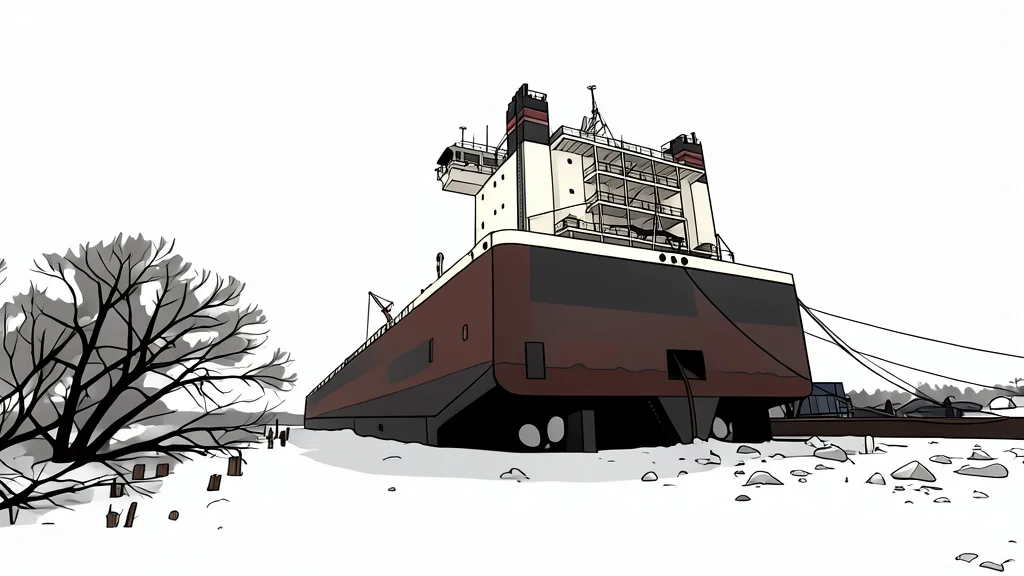
Bulk carriers such as the American Century, which has been sailing the Great Lakes for nearly fifty years, symbolize the enduring legacy of U.S.-Canada industrial cooperation. Built in 1981 and powered by robust diesel engines, these ships have historically set records for cargo capacity. Yet, the decline in coal volumes and the recent imposition of tariffs on iron ore have eroded the steady demand that previously guaranteed their profitability.
Operators in the region report that the uncertainty surrounding trade policy is complicating planning and investment. The vessels, owned by entities with deep roots in American maritime history, are now navigating a market where the cost of goods can fluctuate significantly due to government intervention. This instability contrasts sharply with the predictable, high-volume trade that characterized the mid-twentieth century.
Political rift disrupts supply chains
The current diplomatic tensions between the two countries are exacerbating existing economic challenges. According to industry observers, the tariffs are not just a fiscal adjustment but a structural disruption to the integrated supply chains that span the border. The reliance on seamless movement of raw materials across land and water is being tested by policies that prioritize protectionism over cooperation.
This rift carries the risk of long-term damage to the infrastructure designed for free trade. As political disagreements persist, the efficiency of the Great Lakes shipping network may suffer, leading to higher costs for manufacturers on both sides of the border. The potential for lasting harm to these supply chains underscores the broader economic stakes involved in the current trade dispute.
Future outlook for regional trade
Looking ahead, the stability of the Great Lakes trade corridor will depend on the resolution of the ongoing political tensions. Stakeholders are watching closely for signals of de-escalation or further trade barriers that could alter the landscape. The ability of the region to maintain its role as a vital trade hub hinges on restoring confidence in the predictability of cross-border commerce.
In the interim, the industry remains in a state of flux, with operators adapting to a new reality of heightened risk and uncertainty. The next few months will be critical in determining whether the economic ties that bind the U.S. and Canada can withstand the pressure of current policies or if they will be fundamentally reshaped.