Houston Emerges as a Key Destination for New Cuban Migrants
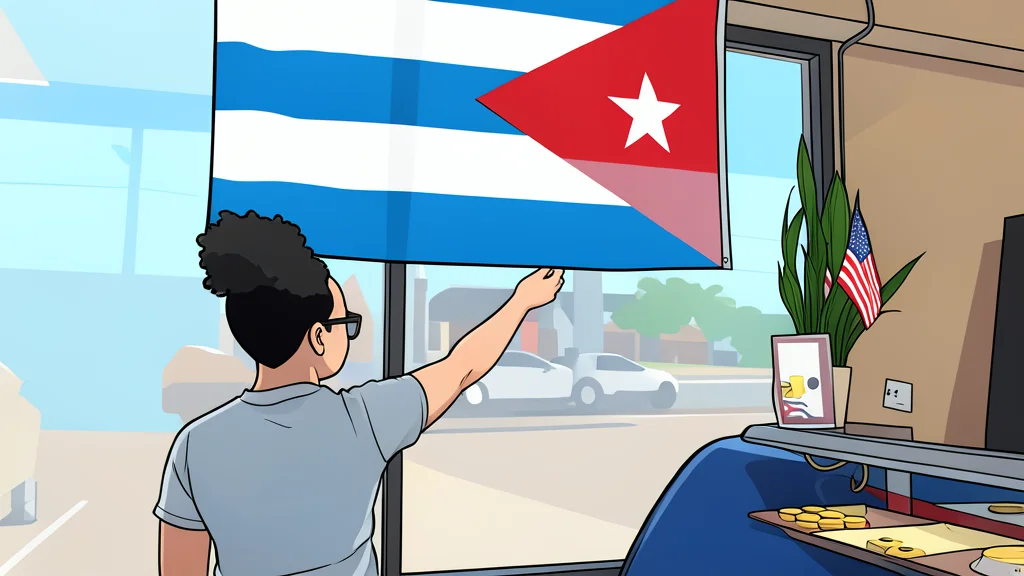
Shifts in migration routes and economic pressures are driving a significant increase in the Cuban-born population in Harris County, transforming local communities.
The demographic landscape of Houston is undergoing a notable shift, with the Cuban-born population experiencing rapid growth in recent years. According to the latest American Community Survey estimates, the number of Cuban residents in Harris County has risen to nearly 41,000, a substantial increase from the 25,000 recorded in 2019. This surge places Cubans among the fastest-growing foreign-born groups in the region, trailing only the Venezuelan population in rate of increase.
This trend is not merely a statistical anomaly but reflects a broader structural change in migration patterns. While previous waves of Cuban migration were often associated with sea crossings to Florida, a new generation of migrants is traveling overland through Central America and Mexico. For many, Houston has evolved from a temporary transit point into a permanent home, offering a mix of economic opportunity, affordable housing, and an expanding Latino community.
Shifting Migration Routes
Policy changes in the United States and neighboring countries have fundamentally altered the pathways taken by Cuban migrants. The end of the "wet foot, dry foot" policy in 2017 removed a specific incentive for direct arrivals in Florida, prompting a shift toward the Southwest border. Additionally, the removal of visa requirements for Cubans by Nicaragua in late 2021 facilitated air travel to Central America, from which many continued their journey north by land.
Valerie Lacarte, a senior policy analyst at the Migration Policy Institute, notes that these developments align with her 2023 research on the "Walking Generation." This term, coined by Cuban journalist Rachel Pereda, distinguishes the current overland migration from the earlier "balseros" who arrived by boat in the 1990s. The overland route, while arduous, has become the dominant mode of entry for this new wave.
Economic Pressures and Community Growth
The drivers of this migration are deeply rooted in economic hardship on the island. The devastation of Cuba’s tourism-dependent economy during the pandemic, combined with broader social and financial challenges, pushed many to seek opportunities abroad. In Houston, the growing Cuban community has created a supportive ecosystem. Small businesses, such as bakeries and cafes, are filling streets once less populated by Cuban entrepreneurs, fostering a sense of familiarity and belonging for new arrivals.
Individual stories illustrate this transformation. Maylen Rondón, who arrived in Houston in 2022 after spending years in Bolivia, found stability through employment at a local bakery. She describes the city as a place where she could reconnect with her cultural roots, noting that the community has expanded enormously since her arrival. For many, the combination of job availability and a supportive social network makes Houston a viable long-term destination rather than just a stopover.
Future Demographic Trends
As the Cuban population continues to grow, it is shaping the cultural and economic fabric of Houston. The integration of this new wave into the local labor market and community life suggests a lasting impact on the city's diversity. Observers will likely watch how this demographic shift interacts with other growing immigrant populations, particularly the Venezuelan community, which has also seen a more than doubling of its numbers in the same period.
The story of Houston’s changing demographics is being closely followed by analysts at GN geopolitics/migration (en-US), who highlight the complex interplay of policy, economics, and human resilience. As migration routes continue to evolve, the question remains how cities like Houston will adapt to accommodate these new communities, ensuring that the promise of opportunity is met with the infrastructure and social support needed for long-term integration.