Shining Path Remnants Reshape Peru Election Security Discourse
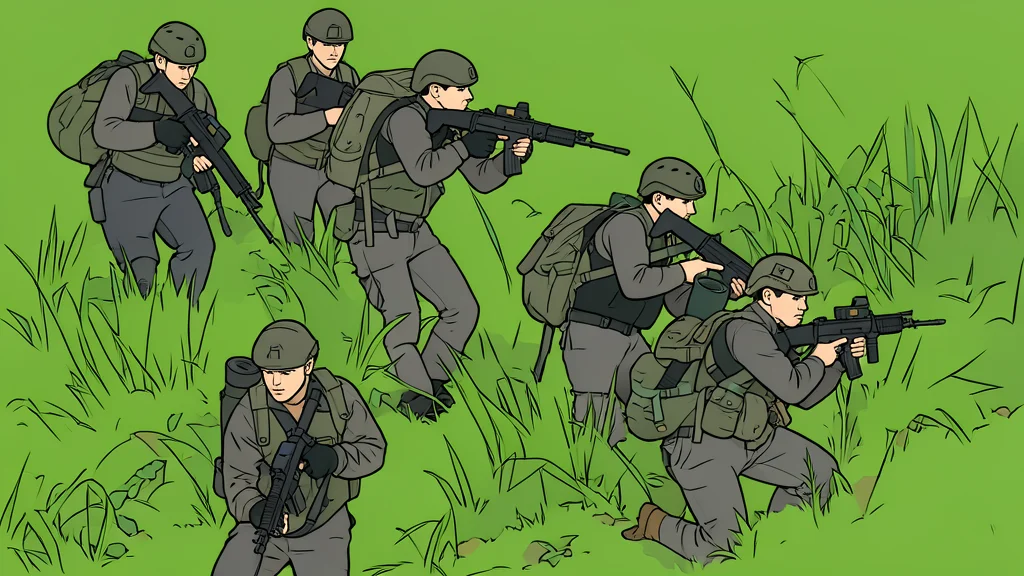
Recent counter-terrorism actions in the VRAEM zone have shifted Shining Path's profile from ideological insurgency to narcoterrorism, influencing the 2026 electoral landscape.
Remnants of the Shining Path remain active in Peru’s VRAEM zone, where the group has largely transitioned into a narcoterrorist cartel rather than a nationwide ideological insurgency. According to the GN auto geopolitics/terrorism: counter terrorism, recent security operations have highlighted this shift, with authorities targeting members involved in trafficking rather than political mobilization.
The Peruvian government extended the state of emergency in twelve districts on May 21, aiming to consolidate military intervention in the region. This move underscores the persistent challenge of eradicating the group, which has survived leadership losses and significant military setbacks over the past few years.
Shift From Ideology To Cartel Operations
In late March, security forces killed two Shining Path members known by the aliases “David” and “Ramírez.” The Joint Command of the Armed Forces described the former as a member of the VRAEM Central Committee. While the operation seized weapons including a machine gun, it illustrated how the group’s activities have narrowed to local criminal networks rather than broad-based political violence.
This trajectory follows a pattern of gradual attrition. In late 2023, authorities captured four suspected top leaders, claiming a major blow to the group’s command structure. Despite these successes, reporting suggests that the faction persists under new figures, maintaining a low-level but resilient presence in the valley.
Security Concerns In Presidential Campaigns
The timing of the March operations coincided with the 2026 presidential campaign, injecting terrorism into national political discourse. Some elements of the outgoing government suspected that the security establishment sought to reinforce the need for continued counter-terrorism efforts to benefit conservative candidate Keiko Fujimori.
Security and crime became defining issues during the election, contributing to Fujimori’s narrow victory on June 7. Her subsequent proclamation as president-elect in early July reinforced the political salience of these themes, linking operational successes to broader electoral outcomes.
Future Challenges In VRAEM
Although militarily limited, the Shining Path’s continued presence demonstrates the difficulty of fully eradicating such groups. The intertwining of terrorism with narcotics trafficking complicates security strategies, requiring a dual approach that addresses both criminal networks and residual ideological ties.
As Peru moves forward, the focus will likely remain on consolidating security in the VRAEM. The coming months will test the new administration’s ability to balance counter-terrorism operations with political stability, ensuring that security measures do not become entangled in partisan disputes.