Russia's Parliamentary Vote Amid Rising War Fatigue
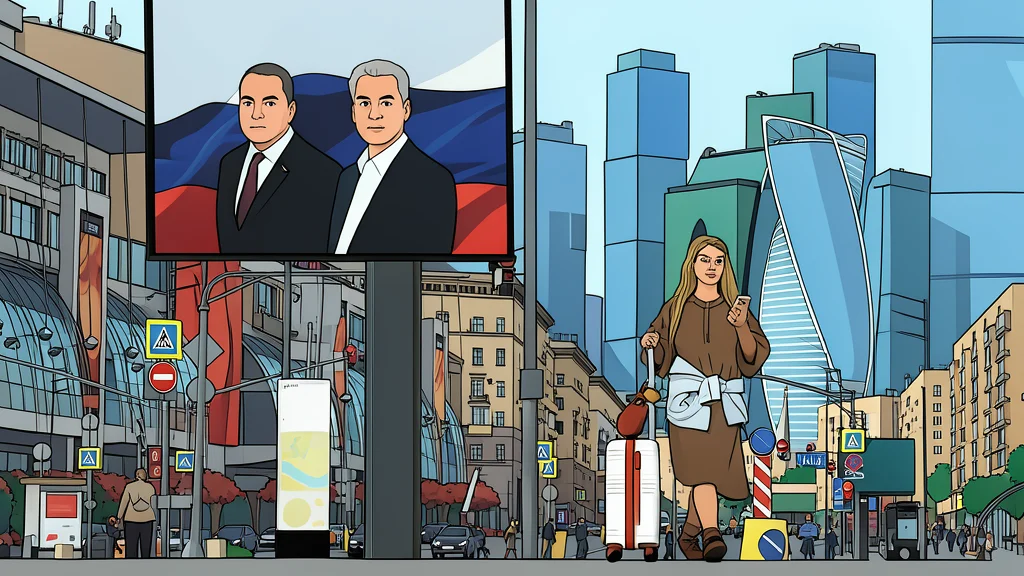
As anxiety grows over fuel shortages and mobilization rumors, Russians head to the polls for a vote that may reveal deepening unease with the ongoing conflict.
A sense of alarm is prevailing among the Russian population, according to state pollster FOM, which reports that nearly half of those surveyed feel anxious about their circumstances. This mood is compounded by economic pressures and security concerns, creating a backdrop of uncertainty as the country approaches a significant political milestone.
From September 18 to 20, citizens are voting for a new State Duma for the first time since 2022, marking the first parliamentary election held during the war in Ukraine. While official results are expected to favor the ruling party, authorities are closely monitoring voter turnout as a key indicator of public loyalty and support for the current government’s trajectory.
Economic strain fuels public anxiety
Independent polling data from ExtremeScan indicates that 60% of Russians believe the conflict has negatively impacted their daily lives. Margarita Zavadskaya, a sociologist at the Finnish Institute of International Affairs, attributes this shift to a combination of rising prices, internet restrictions, and fuel shortages caused by strikes on oil infrastructure. These factors have made long-term planning difficult for many households, eroding confidence in the stability of the situation.
Rumors of a new mobilization drive have further heightened tensions, with some citizens reportedly leaving the country to avoid potential conscription. Elena Koneva, founder of ExtremeScan, notes that many are now questioning the personal cost of the war, asking whether they are prepared to continue paying the price for the conflict. This growing war fatigue represents a significant challenge for the Kremlin, which relies on public support to maintain its political legitimacy.
Legitimacy and the cost of war
Although elections in an authoritarian system rarely lead to democratic change, they serve as a reality check for the leadership. Ilya Yashin, a Russian opposition politician in exile, told Deutsche Welle that the Kremlin views these votes as a demonstration of support for the party of war. For President Vladimir Putin, maintaining the appearance of majority support is crucial for legitimizing further escalation and the continuation of the conflict in its fifth year.
United Russia, the de facto ruling party, has campaigned on a platform that prioritizes victory in Ukraine. Its candidate list is headed by individuals presented as veterans of the war. However, a silent majority appears to desire an end to the hostilities. Yulia Galyamina, an opposition politician living in Russia, suggests that while many still support the president personally, their stance on the war is becoming increasingly critical.
Barred opposition and shifting sentiment
The liberal party Yabloko, the only registered force openly opposing the war, has seen a surge in popularity recently. ExtremeScan data suggests that 18% of Russians would have voted for the party. However, a recent court decision barred Yabloko from participating in the parliamentary elections, preventing its supporters from casting a formal vote against the conflict. Koneva describes this support as a direct reflection of public attitude toward the war.
With the primary anti-war voice excluded from the ballot, the Kremlin is watching how these voters will express their dissatisfaction. Levada Center polling shows that six in 10 Russians favor peace negotiations with Ukraine. Recent hints from the government regarding potential talks in October may be a tactical move to calm the electorate. The forward question remains how the state will manage this growing disconnect between official policy and the desires of a war-fatigued population.