NATO Chief Urges UK to Define Path to 3.5% Defense Spending Goal

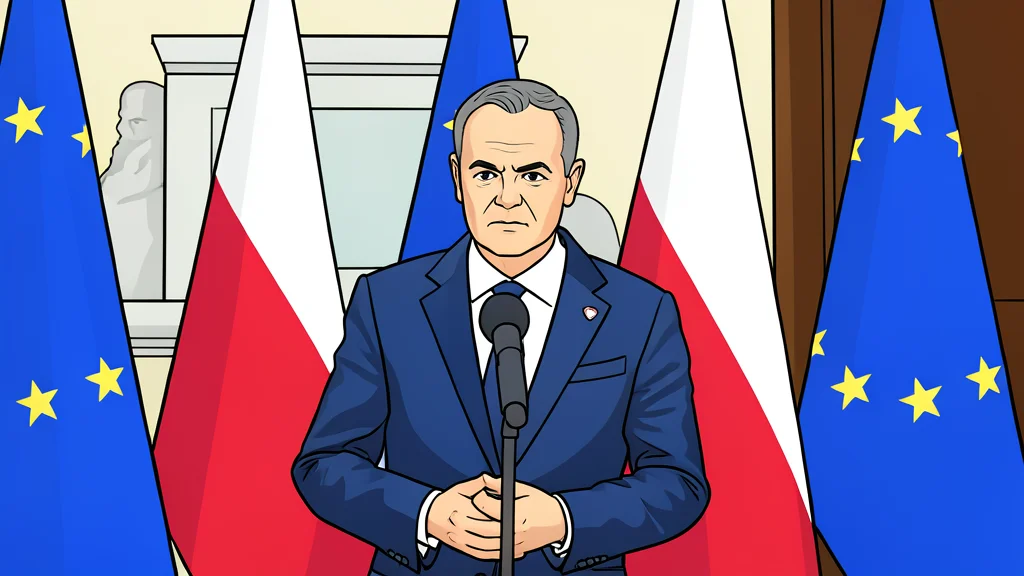
NATO Secretary General Mark Rutte has called for a transparent, incremental strategy for the United Kingdom to reach its new defense spending targets, warning that the alliance must maintain a decisive advantage against Russian hybrid threats.
NATO Secretary General Mark Rutte has stated that the United Kingdom requires a credible and transparent roadmap to achieve the alliance’s new defense spending target of 3.5% of gross domestic product by 2035. According to Rutte, member states must establish yearly increments rather than attempting a sudden jump in expenditure, as the infrastructure and industrial capacity required for such a shift cannot be developed overnight. The Secretary General emphasized that while the final goal is distant, the path toward it must be clear and consistent to ensure the alliance remains prepared.
This guidance comes as the UK government faces internal pressure to outline specific fiscal mechanisms for reaching the target. The current budget only projects an increase to 2.7% of GDP by 2027/28, leaving the trajectory beyond that date undefined. Rutte’s remarks appear to be a direct response to these gaps, urging Prime Minister Andy Burnham and his cabinet to commit to a
Incremental Steps for Industrial Growth
Rutte explained that the expansion of armed forces and defense industries requires time and sustained investment. He noted that nations cannot simply allocate the full 3.5% of GDP in a single fiscal year, nor can they defer all spending until the final deadline. Instead, a
The NATO chief praised the British government for its initial commitment to the 3.5% benchmark. Following meetings with Prime Minister Burnham, Foreign Secretary Ed Miliband, and other key ministers, Rutte expressed satisfaction with their willingness to engage with the concept of a phased approach. He indicated that the upcoming spending review will likely provide the detailed framework for these increments, which he described as essential for maintaining momentum within the alliance.
Countering Russian Hybrid Aggression
The urgency of this financial planning is underscored by the threat posed by Russia. Rutte warned that President Vladimir Putin is willing to sustain significant losses and allocate a substantial portion of the state budget to defense. The NATO Secretary General cited recent hybrid attacks on European soil as evidence that the threat is immediate and evolving. He argued that the alliance must stay ahead of these capabilities, which requires a steady and predictable increase in defense spending across all member states.
According to the NATO chief, the current trajectory is correct, but it must be maintained by all parties. He stressed that the UK, like other members, must adhere to the agreed-upon path to ensure collective security. The emphasis on staying ahead of Russian developments suggests that the alliance views the next decade as a critical period for building the necessary military and industrial resilience.
Advocating for Alliance-Wide Industrial Base
Rutte also addressed the ongoing debate regarding the sourcing of defense equipment. He sided with the UK government in opposing protectionist measures that would limit the role of non-European suppliers. The Secretary General argued that the defense industrial base must encompass the entire alliance, from the United States to Turkey. He contended that regional protectionism would not strengthen the alliance’s capabilities and could hinder the efficient distribution of resources.
The NATO chief highlighted the importance of innovation, noting the UK’s leadership in this area. He urged for a faster sharing of technological advancements across the alliance, suggesting that increased defense spending should facilitate this exchange. By promoting a collaborative approach to innovation, Rutte aims to ensure that the financial commitments translate into tangible operational advantages for all NATO members.