Ukraine War Exposes Gaps in NATO Readiness
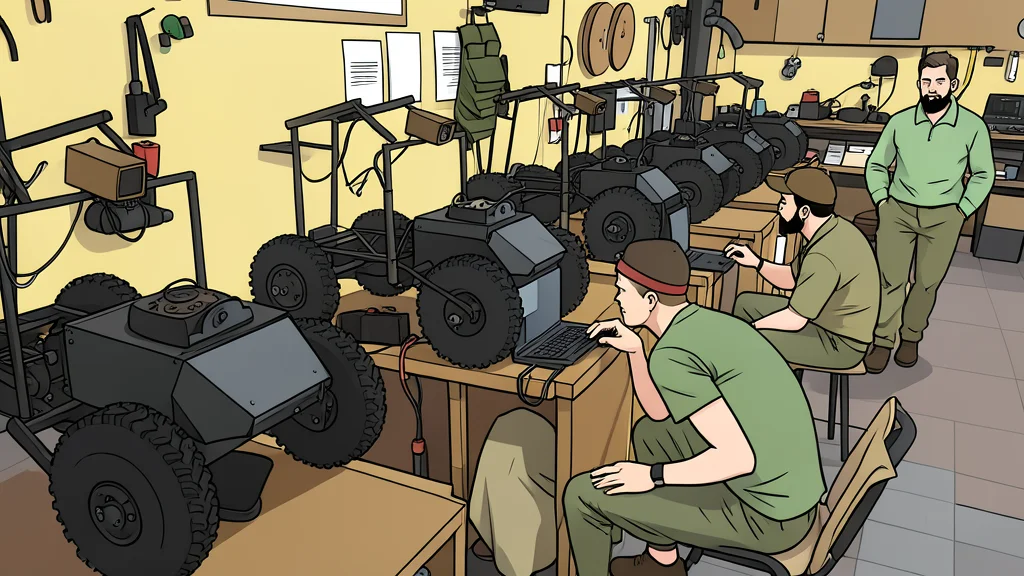
The rapid evolution of warfare in Ukraine is forcing a critical reassessment of alliance capabilities, revealing that traditional defense doctrines may be lagging behind modern battlefield realities.
The ongoing conflict in Ukraine has become a rigorous testing ground for modern military strategies, raising serious questions about the operational readiness of the North Atlantic Treaty Organisation. While the alliance has historically relied on heavy, long-term procurement cycles, the speed of technological change on the Eastern front suggests that some established tactics and equipment may already be falling behind.
According to reports from GN geopolitics/nato, several Ukrainian and Western defence officials have expressed concern that NATO’s current force structure is not adequately prepared for the next potential conflict. The disparity in adaptation speed is stark: Ukraine, operating under immediate combat pressure, modifies its tactics and weaponry within weeks, whereas NATO members often require years or even decades to develop and field new systems.
Rapid Technological Shifts Alter Battlefield Dynamics
The proliferation of low-cost autonomous aerial vehicles has fundamentally changed the calculus of ground warfare. A Ukrainian missile and drone manufacturer’s chief designer noted that traditional armored vehicles are increasingly vulnerable to inexpensive countermeasures that can neutralize assets costing millions of dollars. This shift has prompted a reevaluation of the role of heavy armor in future operations, with analysts debating whether these platforms still hold their strategic value.
Furthermore, the threat of aerial surveillance and strike has altered the behavior of ground troops. Unit commanders have observed that standard formations and convoy movements, previously considered standard practice, now present significant risks. The ability of drones to identify and target concentrated groups has forced a move toward more dispersed and unpredictable tactical maneuvers to reduce vulnerability.
Bureaucratic Hurdles Hinder Strategic Adaptation
While the alliance has increased defense spending in response to geopolitical pressures, internal mechanisms for integrating new lessons remain slow. A Ukrainian officer who underwent training in Romania reported that some alliance materials still relied on historical case studies from the mid-20th century. This bureaucratic inertia creates a gap between the realities observed in the current conflict and the doctrines being taught to allied forces.
Recent military exercises in the Baltic region highlighted this disconnect. Simulations assumed full air superiority, a condition that may no longer be guaranteed in an era of cheap, long-range, and stealthy aerial threats. The inability to rapidly update training protocols and operational assumptions poses a significant challenge to the alliance’s collective defense posture.
Critical Vulnerabilities in Air Defense Systems
The conflict has also exposed a critical dependency on specific American-made air and missile defense systems. The relentless barrages against Ukrainian cities have underscored the shortage of interceptor missiles needed to counter incoming threats. Europe is now accelerating the development of indigenous alternatives to reduce this strategic vulnerability.
A new French-Italian air defense system is expected to be deployed to Ukraine by next spring, marking a significant step toward diversifying the alliance’s defensive capabilities. As the war continues to evolve, the focus is shifting from static defenses to dynamic, multi-layered interception strategies that can keep pace with the rapid innovation seen on the battlefield.