Toronto March Seeks Federal Attention on Refugee Policy
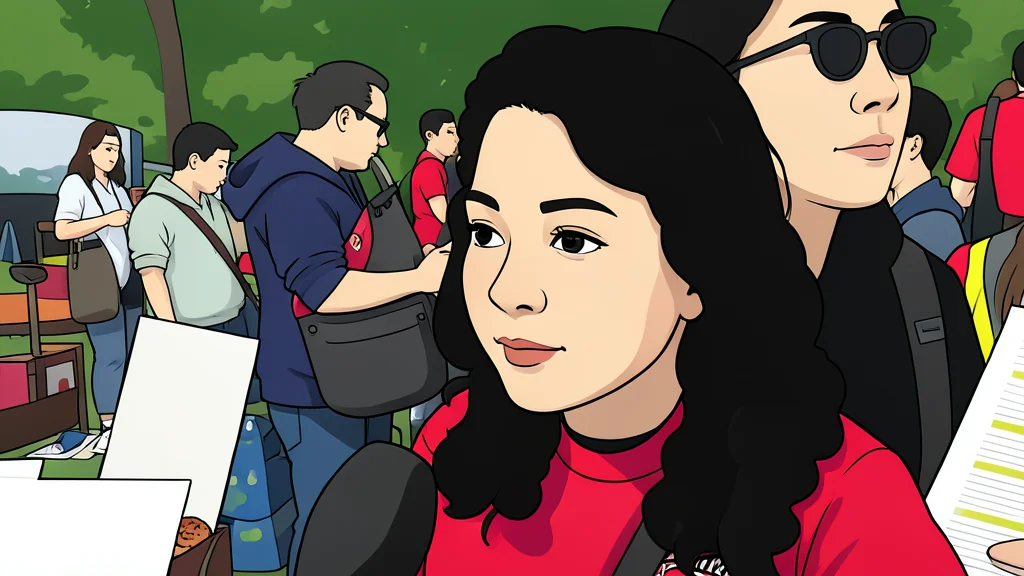
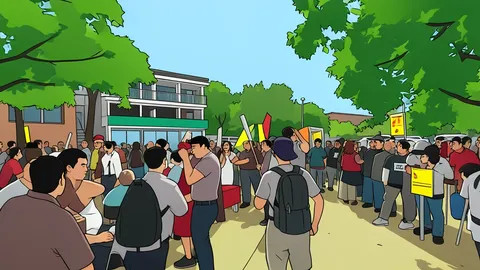
Hundreds of demonstrators gathered in Toronto to press federal officials for changes to refugee protections ahead of Parliament's return.
Key points
- Hundreds of migrants and supporters marched in Toronto to pressure the federal government ahead of Parliament's return.
- Organizers timed the event to maximize visibility during a critical legislative window for policy discussions.
- The demonstration focused on the need for improved refugee protections and more efficient support systems.
A significant crowd of migrants, refugees, and allied supporters convened in downtown Toronto to voice their demands to the Canadian federal government. According to local reporting, the gathering was strategically timed to coincide with the imminent return of Parliament, a period when legislative attention is most acute.
Participants aimed to secure direct engagement with decision-makers regarding the current state of refugee protections. The demonstration highlighted a growing urgency among those affected by immigration policy, who are seeking tangible legislative action rather than mere rhetorical support.
Strategic Timing of the Protest
The choice of timing for the march was deliberate. With members of the House of Commons and the Senate preparing to resume their sittings, organizers believed the visibility of the crowd would force a substantive dialogue. This approach reflects a broader trend in advocacy where public demonstrations are used to set the agenda for returning legislators.
Local news outlet local3news.com noted the scale of the event, describing it as a substantial show of force intended to be impossible to ignore. The convergence of civil society actors and those directly impacted by policy creates a compelling narrative for media coverage and political scrutiny.
Core Demands of Participants
While specific slogans varied among the different groups present, the central theme revolved around the adequacy of current support systems for displaced persons. Many participants expressed frustration over perceived delays in processing and the lack of comprehensive integration support. Their goal is to ensure that the federal response is both humane and procedurally efficient.
Supporters who joined the march emphasized the shared community values of compassion and stability. By standing alongside those seeking refuge, they underscored the social fabric that binds diverse groups together. This unity was presented as a moral imperative for policymakers to consider in their upcoming deliberations.
Implications for Federal Policy
The federal government faces the challenge of balancing administrative constraints with humanitarian obligations. As Parliament reconvenes, the pressure to address these concerns will likely intensify. Analysts suggest that the government may need to propose specific legislative amendments or budgetary adjustments to quell the ongoing public discontent.
Looking ahead, the key question is whether this public outcry will translate into concrete policy shifts within the next legislative session. Observers will be watching for official statements from cabinet ministers and any immediate scheduling of committee hearings on refugee affairs. The outcome of these interactions could set a precedent for how future advocacy efforts are received by the federal apparatus.