US Detention Oversight Reports Confirm Serious Failures
New findings from the Department of Homeland Security reveal significant lapses in medical care and safety standards at key immigration facilities.
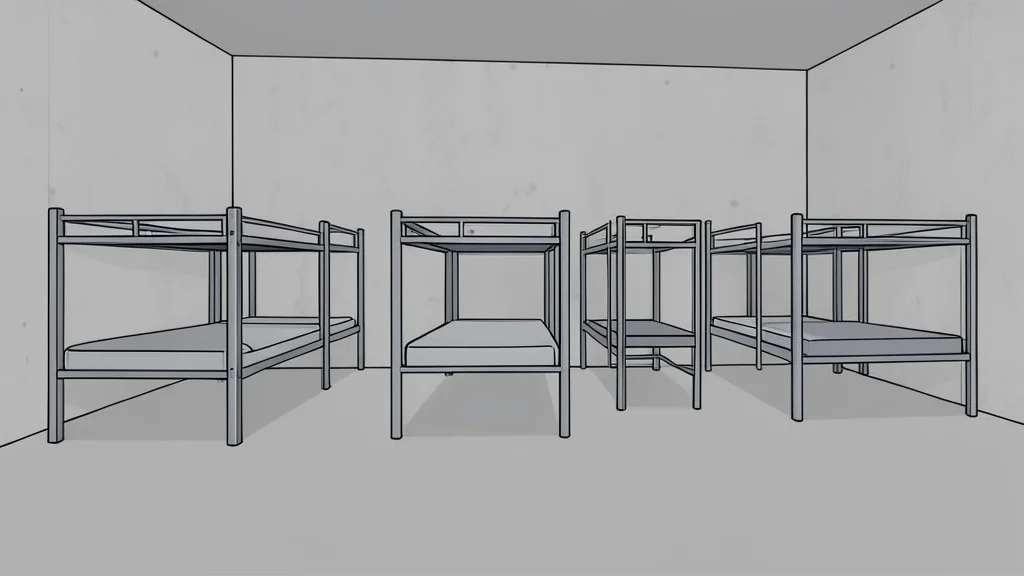
The United States Department of Homeland Security’s Office of Inspector General has released reports detailing serious deficiencies in two Florida immigration detention facilities. The documents, published on September 11, outline findings from visits to the Krome North Service Processing Center and the recently closed Alligator Alcatraz facility. According to the oversight body, both sites failed to meet established DHS standards regarding medical care, environmental health, and safety protocols. The report specifically highlights issues with the use of force at Krome, marking a significant escalation in documented violations within the federal detention system.
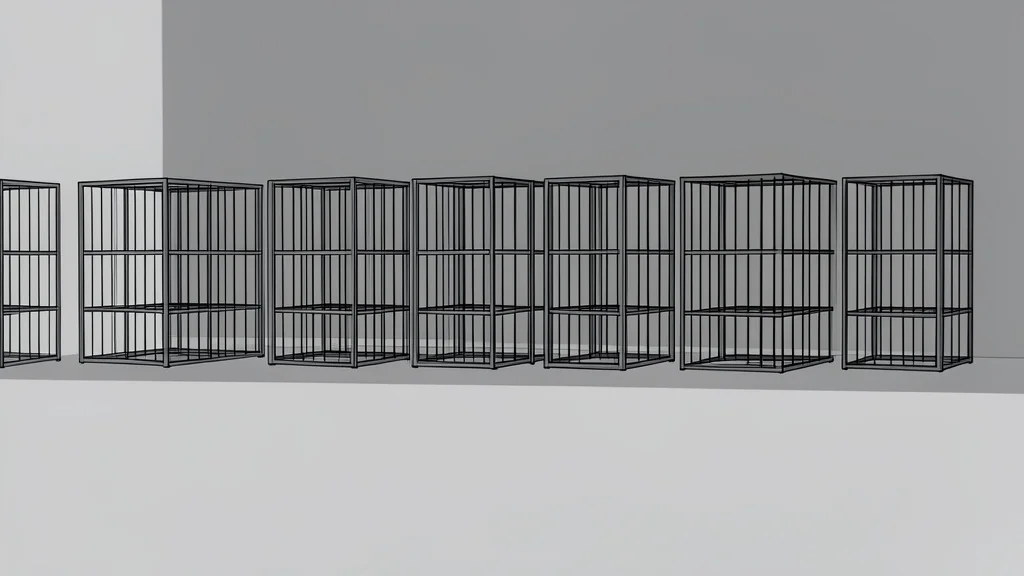
Among the most concerning revelations is the practice of confining detainees in small metal enclosures at Alligator Alcatraz. The inspector general noted that individuals were held in these cages for up to two hours, a measure described as inconsistent with standards for humane treatment. In at least one instance, the report suggests this confinement was utilized as a disciplinary tool. The oversight official warned that such practices present significant risks to the health and well-being of detainees, underscoring the severity of the conditions documented during the site visits.
Independent Verification of Abuse
These government findings align closely with investigations conducted by Human Rights Watch, as reported by GN geopolitics/rights. The rights organization previously documented cruel and degrading treatment at several active facilities, including Krome. Between May and June 2025, researchers recorded instances of substandard medical care that may have contributed to a detainee’s death. Additionally, reports of excessive force, including beatings and the use of hogties, emerged during their on-site observations. The convergence of official oversight reports and independent human rights documentation provides a robust picture of systemic issues within the current detention infrastructure.
The context of these reports is further complicated by the scale of the US immigration detention system. Although Alligator Alcatraz officially closed in late June, more than 200 active facilities remain operational across the country. The US currently records the highest rate of death in immigration detention in over a decade. This statistic raises critical questions about the efficacy of existing safeguards and the consistency of care across the vast network of detention centers. The parallel between the specific failures at Krome and broader national trends suggests that isolated incidents may be indicative of wider structural problems.
Challenges in Oversight Implementation
Despite the publication of these reports, the implementation of recommended corrective measures remains uncertain. It is unclear whether the inspector general’s specific recommendations have been fully addressed by the agency. Critics argue that oversight bodies within the DHS have been weakened, reducing their capacity to enforce accountability. Given the agency’s expansive budget and the severity of the documented abuses, there is a call to restore oversight mechanisms to their full force. Without robust investigative powers and the ability to impose real consequences, the risk of impunity for abusive practices persists.
Future Accountability Measures
Looking ahead, the focus will shift to whether the DHS demonstrates tangible changes in its operational standards. Observers will monitor the agency’s response to the specific findings regarding medical care and the use of force. The restoration of full oversight capabilities is seen as a prerequisite for preventing future violations. As the detention population remains high, the pressure on federal authorities to ensure humane conditions and transparent reporting will likely intensify. The next phase of this issue will depend on the agency’s willingness to accept external scrutiny and implement meaningful reforms.