Houthis Rise as Central Pillar in Iran's Regional Strategy
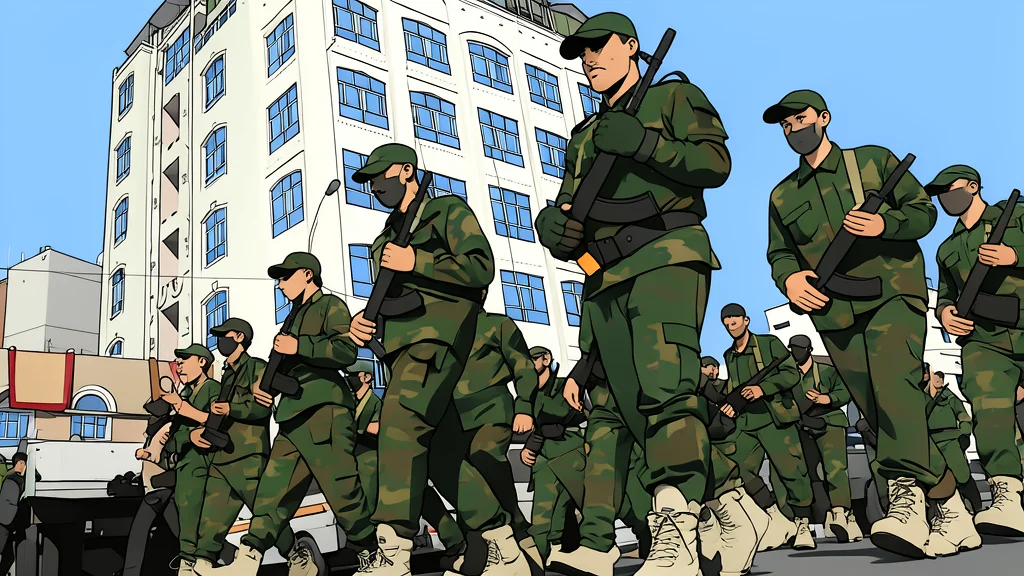
Yemen's Houthi group is increasingly viewed as the most significant actor within Iran's 'axis of resistance,' surpassing the diminished influence of Hezbollah.
The geopolitical landscape in the Middle East is shifting as the Houthi movement in Yemen assumes a more prominent role within the network of groups supported by Tehran. Following recent military advancements along the Red Sea coast, analysts indicate that the Houthis are now performing a strategic function for Iran that previously belonged to Hezbollah in Lebanon. This shift occurs against a backdrop of intensified conflict between the United States, Israel, and Iran, which has heightened the importance of regional proxies in shaping the broader confrontation.
While Hezbollah remains a key component of the so-called 'axis of resistance,' its military capacity has been significantly degraded by recent Israeli strikes and the loss of its logistical base in Syria. In contrast, the Houthis have demonstrated increased operational autonomy, notably in their ability to target advanced military assets and assert control over critical maritime corridors. According to reports from Deutsche Welle, this change in dynamic suggests a reordering of priorities within Iran's regional strategy, with Sanaa gaining weight as a central node in the ongoing conflict.
Strategic Shifts in the Axis of Resistance
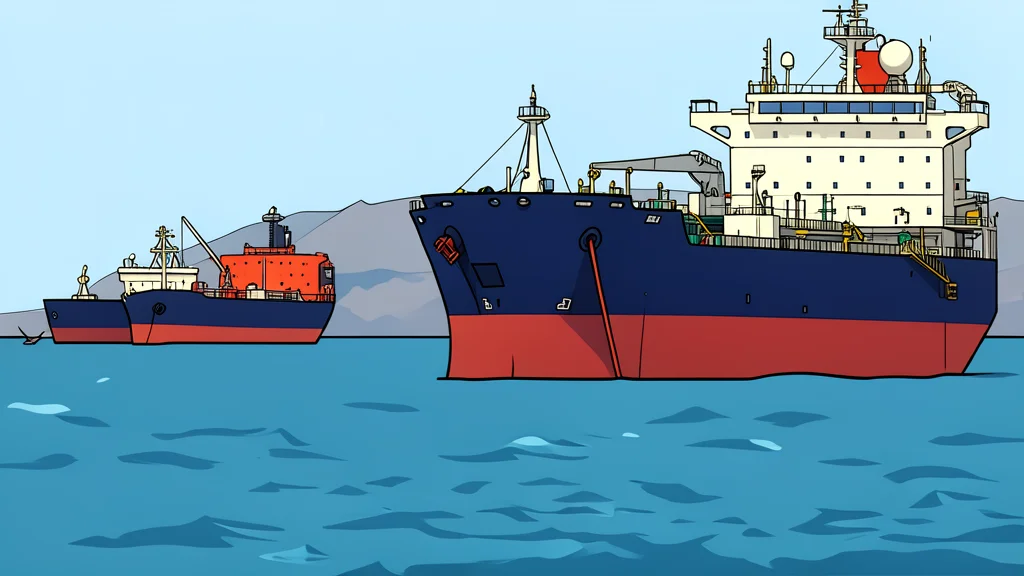
The Institute for the Study of War notes that the Houthis’ recent control over sections of the Yemeni coast and islands creates conditions for asserting influence over regional oil exports. This development mirrors the contest for the Strait of Hormuz, where Iran and the United States are already engaged in a struggle for dominance. By securing a foothold in the Red Sea, the Houthis provide Tehran with leverage not only over regional neighbors like Saudi Arabia but also over global shipping lanes, a capability that Hezbollah never fully possessed.
Farea al-Muslimi, a research fellow at Chatham House, argues that the Houthis have become more valuable to Iran than Hezbollah could ever be, despite the latter's decades of experience. Al-Muslimi points out that while Hezbollah was the primary beneficiary of Iranian support, the Houthis have now exceeded their predecessors in certain operational aspects. This includes the successful downing of a Saudi F-15 fighter jet, a feat that Hezbollah has not achieved, marking a significant escalation in the group's military credibility.
Internal Endorsement and Regional Resonance
Domestic support within Iran for the Houthis has intensified, with hardline newspapers publishing laudatory articles about the group's territorial gains. The conservative newspaper Kayhan described the developments as a significant increase in the weight of Sanaa as a branch of the resistance. Public sentiment has also shifted, with supporters of the Iranian government chanting slogans praising Yemen during recent gatherings. This rhetorical embrace signals a deliberate effort by Tehran to elevate the Houthi brand as a symbol of defiance against American and Israeli influence.
The ideological alignment between the two groups is deep, with Houthi leaders historically admiring the late Hezbollah leader Hassan Nasrallah. Observers note that current Houthi leadership often mirrors Nasrallah’s rhetorical style, reinforcing the narrative of a unified front. This cultural and political kinship helps explain why the Houthis are now seen not just as a regional militia, but as a central pillar of Iran's broader geopolitical strategy, potentially more dangerous and versatile than their Lebanese counterparts.
Future Implications for Regional Stability
As the Houthis consolidate their position, the question of how they will interact with other regional powers becomes critical. Andreas Krieg, a senior lecturer at King's College London, confirms that the Houthis are increasingly performing a similar strategic function for Iran as Hezbollah, but in some respects, a more useful one. Their ability to target Saudi Arabia, Israel, and global shipping provides Tehran with multiple levers of influence, complicating diplomatic efforts to de-escalate the conflict. The next phase of the conflict may see further integration of Houthi operations with broader Iranian military objectives, testing the limits of US and allied responses in the region.