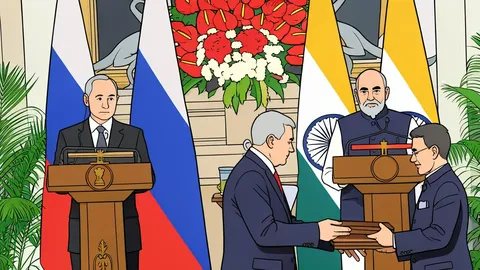
Bangladesh Skips Delhi BRICS Summit over Bilateral Priorities
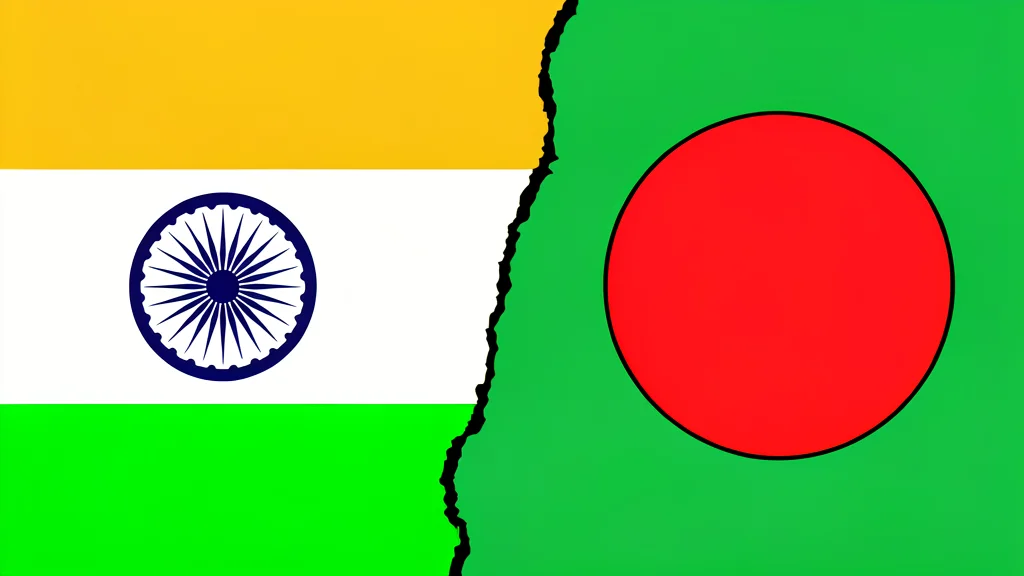
Dhaka declined the BRICS invitation to prioritize a standalone bilateral visit with India.
Key points
- Bangladesh declined the BRICS summit invitation to prioritize a standalone bilateral visit with India.
- Officials cited the need for a conducive environment and mutual respect as prerequisites for engagement.
- Trust deficits persist due to the presence of ousted leaders in India and unresolved border issues.
Bangladesh has declined to send a representative to the BRICS summit in New Delhi, citing a preference for a dedicated bilateral engagement over multilateral participation. According to The Diplomat, Dhaka argues that Prime Minister Tarique Rahman’s first visit to India should be a formal, standalone meeting rather than an appearance at a multilateral conference. This decision reflects a cautious approach to re-engaging with New Delhi following the political transition in 2024.
The absence marks a significant pause in diplomatic momentum, even as both governments have expressed a general willingness to improve ties. State Minister for Foreign Affairs Humaiun Kobir stated that a “conducive environment” and “mutual respect” are prerequisites for high-level contact. By avoiding the summit, Dhaka aims to ensure that any future interaction is framed by mutual dignity rather than incidental attendance, a stance that underscores the ongoing asymmetry in the bilateral relationship.
Diplomatic priorities shift toward bilateral engagement
New Delhi reportedly extended two separate invitations: one for a bilateral visit and another for the BRICS outreach session as the chair of BIMSTEC. While many nations sent foreign ministers to the summit, Bangladesh chose to abstain entirely. High Commissioner Riyaz Hamidullah attributed the decision to specific circumstances in the bilateral relationship. This move allows Dhaka to maintain leverage in negotiations, ensuring that the timing and format of the prime minister’s visit align with their domestic political needs and diplomatic strategy.
Trust deficits complicate regional relations
Underlying tensions remain significant, driven by unresolved issues such as border security and allegations of political interference. The presence of ousted leaders, including Sheikh Hasina, in India has deepened the trust deficit. Dhaka has demanded extradition, a demand that has complicated diplomatic exchanges. For the new government, balancing the “Bangladesh First” policy with the necessity of regional cooperation requires navigating these sensitive domestic and external pressures carefully.
Future diplomatic steps remain uncertain
Media reports suggest that discussions are underway to facilitate a bilateral visit in November. Meanwhile, Prime Minister Rahman has continued to engage with other global partners, including visits to Malaysia, China, and the United States. The next phase of Bangladesh-India relations will likely hinge on whether both sides can establish a framework that addresses core grievances while opening channels for practical cooperation. Observers will watch closely for any signs of de-escalation or concrete diplomatic breakthroughs in the coming months.