Burke Warns of Guest Worker Economy as Australia Weighs Visa Changes

Home Affairs Minister Tony Burke acknowledges the need to reduce temporary visa numbers, warning that Australia risks becoming a guest worker economy as over one million temporary entrants arrive annually.
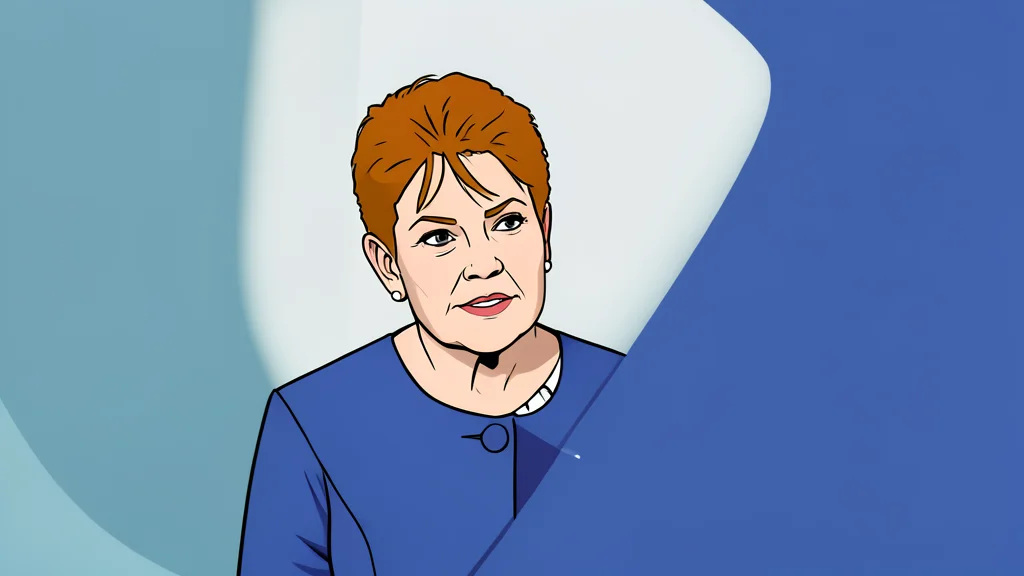
Home Affairs Minister Tony Burke has expressed deep concern that Australia is drifting toward a guest worker economy, a structural shift he describes as a significant source of worry for the government. According to GN geopolitics/migration (en-US), Burke stated that while the country does not need an immediate fix, the current trajectory requires serious attention. He acknowledged that the number of temporary migrants must be reduced, noting that more than one million temporary visa holders in skilled, student, and working holiday categories entered Australia in the last financial year, excluding tourists and transit passengers.
The minister’s comments come as the government prepares to announce major changes to the immigration system. Burke noted that the current demand-driven model has resulted in over three million temporary migrants residing in the country, comprising more than 16 percent of the working-age population. He emphasized that while immigration itself is not under attack, the scale of temporary intake has outpaced the government’s ability to manage it effectively, creating a situation where many individuals remain in a state of prolonged temporary status without the rights of permanent residents.
Political pressure on migration targets
The debate over migration numbers has become a central political issue, with the government facing resistance from multiple directions. Burke warned against the Opposition’s proposal to drastically cut visa numbers, arguing that such a ruthless reduction would lead to the closure of regional hospitals and the collapse of the tourism industry. He stated that reaching the lower population targets suggested by the Coalition would require dismantling parts of the Australian economy, a consequence he believes must be communicated honestly to the public.
Internally, the Labor government is navigating a complex landscape, with its left wing resisting any reduction in the humanitarian program and business groups lobbying strongly against changes to temporary intake. This internal tension contributed to the cancellation of a previous policy announcement in August. As the government seeks legislative tools to adjust intake levels, it is locked in negotiations with the Coalition to find a middle ground, aiming to lower net overseas migration from the recent peak of 301,000 to a target of 225,000.
Impact on housing and infrastructure
While the immediate impact of temporary visas on housing and infrastructure is limited compared to permanent migration, the flow-on effects are significant. Burke highlighted that many migrants spend years waiting on bridging visas while pursuing a path to permanent residency, effectively becoming de facto permanent residents. He argued that having large numbers of people who are technically temporary but realistically living permanently is not a smart way to operate, as it complicates planning for housing, services, and labor markets.
The minister also addressed the issue of visa-hopping by international students, describing it as a challenge that must be addressed. He pointed out the pattern where students study in areas not of skill shortage, then transition to graduate visas and work in similarly non-shortage sectors, before attempting to move into other categories. This behavior, according to Burke, undermines the integrity of the skilled migration system and contributes to the broader issue of temporary migration becoming a long-term residence strategy rather than a short-term labor solution.
Upcoming policy announcements and data
Burke is expected to announce the government’s updated migration policy at the National Press Club on Thursday, a day after the Australian Bureau of Statistics releases new population figures. These data points will provide a fresh look at the growth in Australia’s population, which last year saw an increase of 111,500 from births and 301,000 from net overseas migration. The announcement will serve as a key test of the government’s ability to balance economic needs with public concern over the pace of demographic change.
As the political debate intensifies, the focus remains on how the government will implement the necessary levers to pull back temporary intake without causing economic disruption. The coming weeks will likely see increased scrutiny on the details of the proposed changes, with stakeholders from the healthcare, education, and construction sectors watching closely for signals on how the new framework will affect their access to labor. The outcome will be a critical indicator of the government’s strategy for managing Australia’s evolving demographic landscape.