Gaza’s Unstable Ruins Turn Lethal as Families Seek Shelter
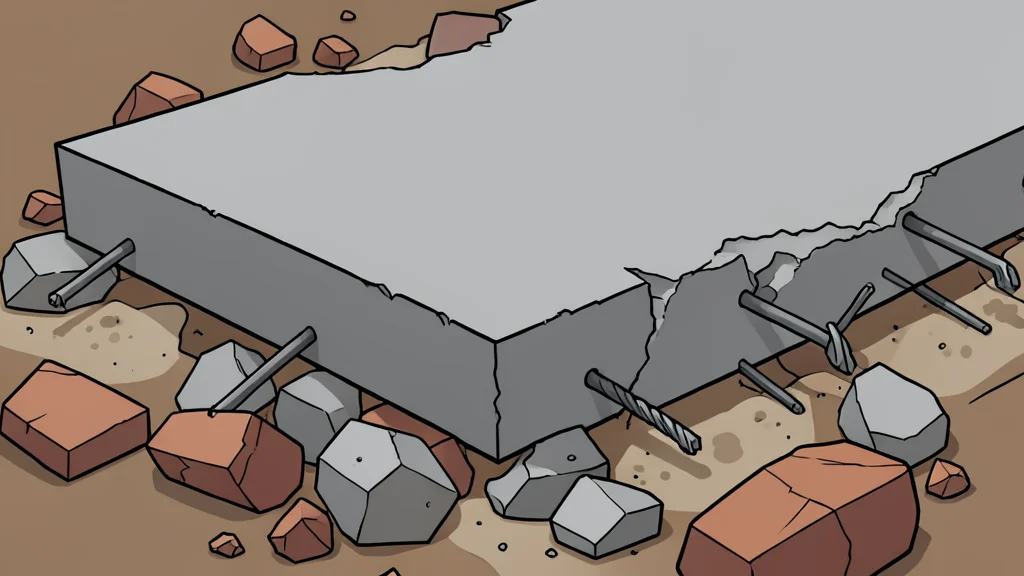
A sudden structural failure in Gaza City has killed at least 21 people, highlighting the growing danger posed by war-damaged infrastructure and the lack of safe alternatives for displaced residents.
A war-damaged residential building in western Gaza City collapsed early Wednesday, killing at least 21 Palestinians and injuring many others. The sudden structural failure occurred in the al-Saada building, where residents had moved in recently to escape the harsh conditions of temporary tent accommodations. According to Al Jazeera English, the incident underscores a critical safety crisis as thousands of families in the Gaza Strip live within structures that have sustained significant damage during ongoing hostilities.
Survivors described a chaotic scene of dust and darkness as the floors gave way. Hayat al-Ajlah, a 37-year-old resident, recounted waking to a cracking sound before the structure descended. She and her four children were eventually pulled from the rubble by neighbors and civil defence workers, but nine members of her extended family were killed. The incident has intensified fears that the remaining buildings in Gaza City are becoming increasingly unstable, turning intended shelters into lethal traps for those with nowhere else to go.
Residents Face Limited Shelter Options
The decision to inhabit damaged structures is driven by severe constraints on housing and movement. Many families, including Hayat’s, were displaced from their original homes during earlier phases of the conflict and later returned to Gaza City due to a lack of viable alternatives. Restrictions on reconstruction materials and the scarcity of safe, intact housing have forced residents to accept significant risks to escape the exposure and discomfort of living in tents. For many, the choice is not between safety and risk, but between different degrees of danger.
Umm Mahmoud Saada, a resident in her 70s, lost her son, daughter-in-law, and five grandchildren in the collapse. Her son, Mahmoud, had been living in a tent in southern Gaza before returning to the city a month ago. He sought the apartment in the damaged building because his financial situation made maintaining a tent difficult and the conditions were exhausting. This pattern of returning to precarious structures reflects a broader trend where economic hardship and displacement intersect with structural instability, leaving families with few choices regarding where to sleep.
Structural Instability in War-Torn Areas
Experts and witnesses note that buildings damaged by aerial strikes or ground fighting often suffer from compromised load-bearing structures, making them prone to sudden collapse. The al-Saada building had visible signs of severe damage, yet it remained occupied due to the acute housing shortage. Hayat al-Ajlah mentioned that her mother had expressed fear about the building's condition, and her father had planned to find another location. However, the immediate need for shelter and the difficulty of securing alternative housing overrode these concerns, illustrating the precarious balance residents must strike between comfort and safety.
Ongoing Search and Community Grief
At al-Shifa Hospital in Gaza City, relatives of the victims have gathered in a state of shock and grief. The recovery operation is lengthy, and families are waiting for news of those still missing beneath the rubble. The tragedy has deepened the sense of vulnerability among residents who are already traumatized by the conflict. The incident serves as a stark reminder that the dangers of war extend beyond active combat, permeating the daily existence of those living in the aftermath of destruction.
As the search continues, the focus remains on the immediate humanitarian need for safe housing and structural assessments of remaining buildings. The collapse of the al-Saada building is likely not an isolated event but a symptom of the cumulative impact of the conflict on Gaza’s urban infrastructure. The coming days will see increased scrutiny on the safety of occupied structures, with residents and aid workers facing the difficult task of determining which buildings can withstand the weight of life itself.