Cambodia Cites 20,000 Displaced After Border Clashes

Cambodia has informed the United Nations that internal displacement remains widespread more than a year after border conflicts with Thailand, citing significant contamination from unexploded ordnance.
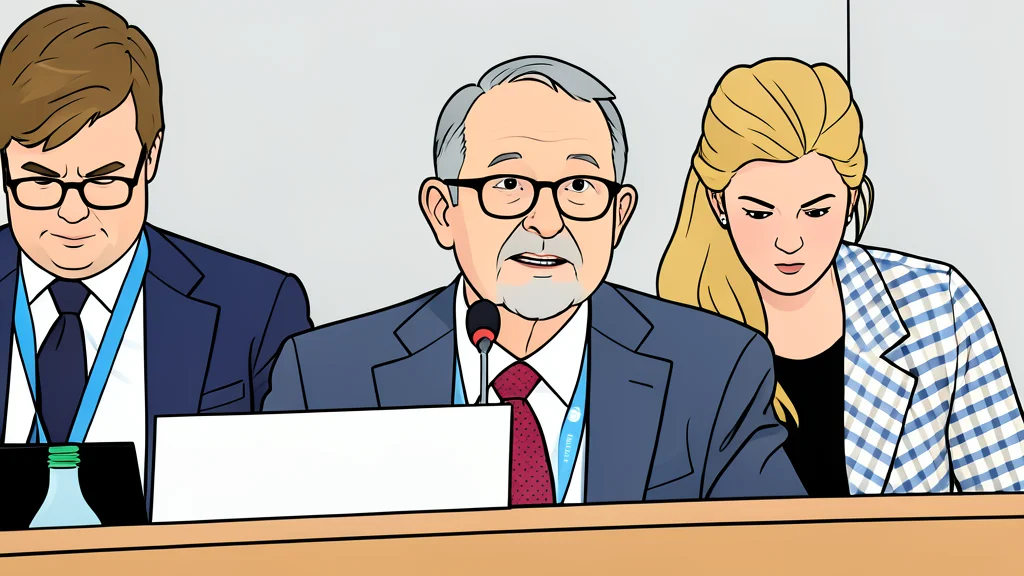
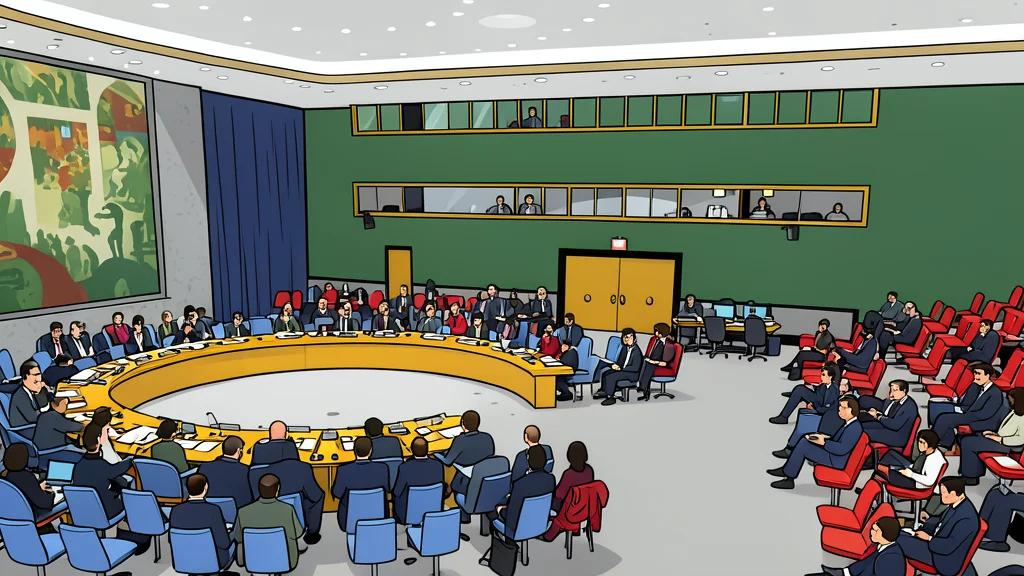
Cambodia has reported to the United Nations Human Rights Council that approximately 20,000 of its citizens remain displaced more than a year after deadly border clashes with Thailand. According to Ke Sovann, the Cambodian ambassador to the UN in Geneva, these individuals, including women and children, continue to face severe humanitarian challenges in the aftermath of the conflict. The diplomatic update highlights the persistent instability in the region despite previous ceasefire agreements.
Government data presented during the session indicates that nearly 4,000 square kilometers across seven border provinces remain contaminated with unexploded ordnance. This includes a substantial portion affected by cluster munitions, which Phnom Penh has attributed to Thai forces during the fighting. The presence of these explosives significantly impedes the safe return of displaced communities and poses ongoing risks to civilian safety, particularly for vulnerable populations in the contested zones.
Disputed Territory and Accusations
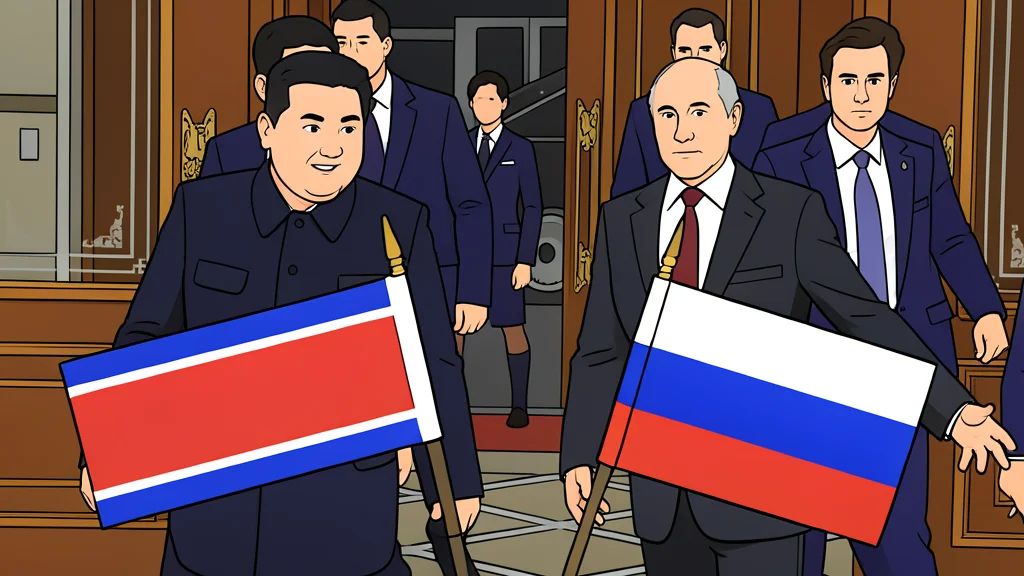
The two neighbors have exchanged allegations regarding the origin of the hostilities in two rounds of clashes in 2025. The fighting resulted in over 100 deaths, including civilians, and displaced hundreds of thousands on both sides before a ceasefire was established in December. Cambodia rejected what it termed unfounded allegations from Thailand, specifically regarding the use of landmines and the initiation of combat. Bangkok maintains that the areas it holds are within its own territory or are frozen frontlines under the ceasefire.
A spokesperson for Thailand’s Defense Ministry did not immediately respond to requests for comment on the latest reports. The dispute has resurfaced amidst diplomatic tensions, with Thailand’s foreign minister recently accusing Cambodia of playing the victim during a separate maritime dispute hearing in Singapore. This rhetorical escalation underscores the fragility of the current diplomatic relationship and the difficulty in achieving a permanent resolution to the border standoff.
Diplomatic Pathways and Legal Hurdles
Prime Minister Hun Manet has stated that Cambodia remains committed to resolving the border dispute through negotiation. He emphasized that the door remains open to using legal mechanisms, diplomacy, and existing agreements to address the conflict. However, experts note that the UN Human Rights Council lacks the authority to issue binding rulings, which limits its effectiveness in resolving such territorial disputes. This structural limitation has led some to suggest alternative legal avenues for resolution.
Ny Sokha, president of the Cambodian rights group Adhoc, argued that the current reporting mechanisms are unlikely to resolve the dispute due to the council's non-binding nature. He suggested that the government should instead appeal to the International Court of Justice or the International Criminal Court. However, such options face significant jurisdictional hurdles, as Thailand has not ratified the Rome Statute establishing the ICC and does not accept the compulsory jurisdiction of the ICJ. According to GN geopolitics/border, these legal barriers complicate any attempt to seek external adjudication for the ongoing conflict.
Forward Watch on Regional Stability
The situation remains fluid as both nations navigate the aftermath of the 2025 clashes. The primary focus now shifts to whether diplomatic channels can yield a permanent settlement or if the dispute will continue to simmer. Observers will likely watch for further diplomatic engagements between the two leaders and any developments regarding the removal of unexploded ordnance. The long-term stability of the region depends on the ability of both parties to maintain the ceasefire and engage in substantive negotiations.