Sanctions Report Details North Korean Drone Labor in Russia
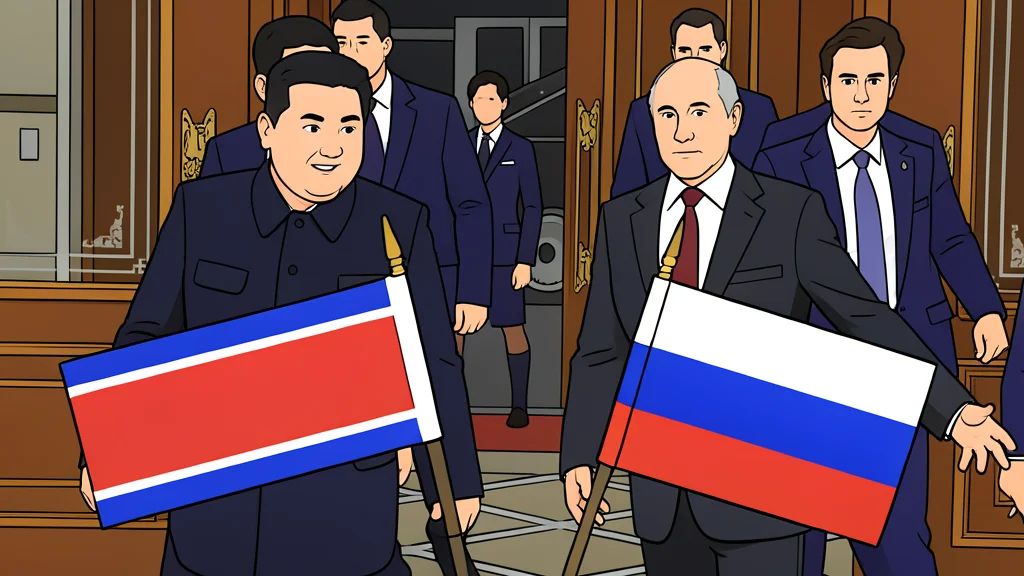
A new multilateral report alleges that Russia is exploiting North Korean workers on student visas to manufacture military drones, creating a significant revenue stream for Pyongyang while violating international sanctions.
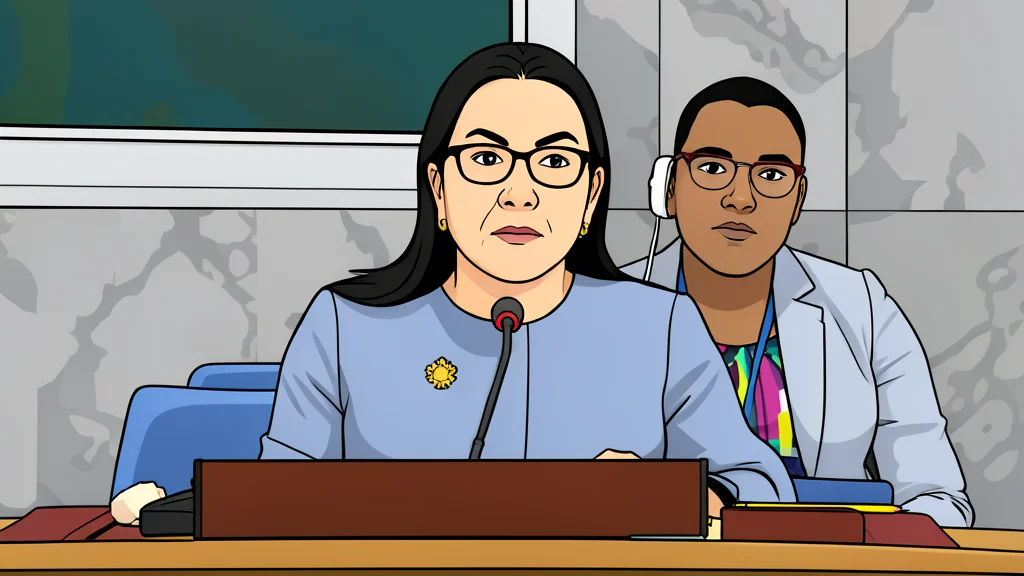
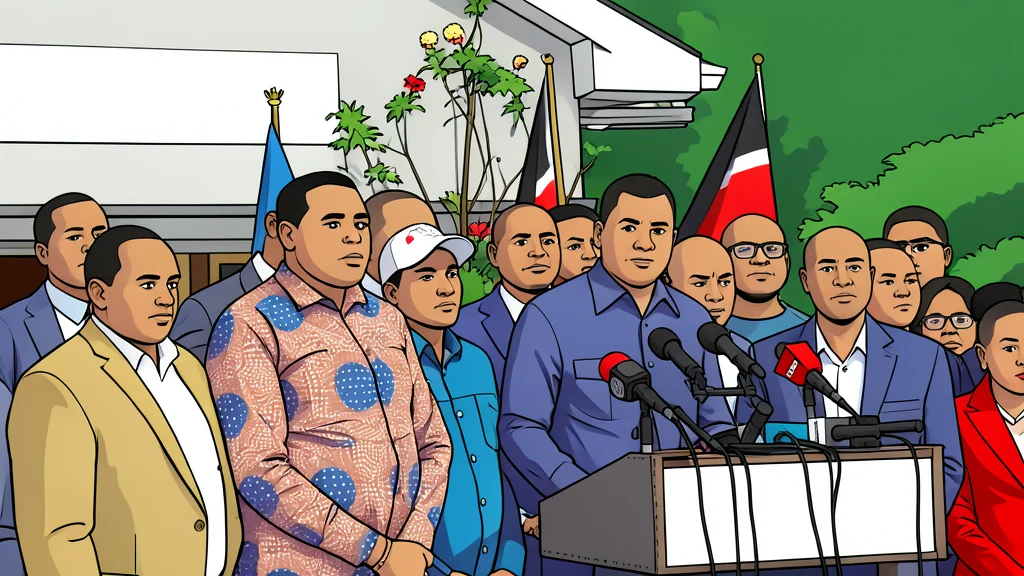
According to a report published on September 16 by the Multilateral Sanctions Monitoring Team, Russia has established a systematic method to employ North Korean laborers in the production of military drones. The group, which includes eleven nations such as the United States, states that this arrangement circumvents United Nations sanctions by masking employment activities under the guise of academic pursuits.
The findings indicate that this scheme generates substantial revenue for the North Korean state, funds which are reportedly directed toward its weapons programs. By utilizing student and tourist visas instead of standard work permits, the system allegedly bypasses regulatory checks while allowing workers to earn wages that contribute to the economic stability of Pyongyang.
Visa scheme facilitates illicit manufacturing
The report describes an extensive ecosystem of state-led sanctions evasion that involves adjusting Russian legal frameworks to permit income generation for those holding student visas. It also references the bribery of Russian universities to facilitate this arrangement. According to the document, these measures allow for a large-scale operation where North Korean workers are integrated into the Russian industrial sector without proper work authorization.
Estimates provided in the analysis suggest that between fifteen thousand and thirty thousand North Korean workers were employed illegally in Russia during 2025. The majority of these individuals are reported to have been engaged in the manufacturing of military drones on Russian soil, highlighting the scale of the illicit labor force involved in defense production.
Financial gains for North Korea
The economic impact of this labor program is significant, with the report estimating that it generated between four hundred fifty million and eight hundred million dollars for Pyongyang in 2025 alone. Each worker is estimated to have earned approximately seven thousand five hundred dollars in annual wages, a sum that is likely remitted to the North Korean state rather than retained by the individual.
This revenue stream provides critical funding for North Korea’s unlawful weapons programs, according to the monitoring team. By converting labor into hard currency, the arrangement strengthens the financial capacity of the North Korean regime while simultaneously supplying Russia with essential military hardware for its ongoing operations.
Strategic alliance deepens military ties
The relationship between Moscow and Pyongyang has intensified since Russia launched its full-scale invasion of Ukraine, with North Korea emerging as one of Moscow’s closest allies. It remains the only country to have officially sent troops to support Russia’s war effort, while also supplying large quantities of military equipment including ballistic missiles, artillery shells, and rocket launchers. This deepening cooperation underscores the strategic alignment between the two nations.
In April, North Korean leader Kim Jong Un opened a museum honoring soldiers who fought alongside Russian forces in the conflict against Ukraine. This symbolic gesture reflects the formalization of the military partnership. As the Kyiv Independent notes, the integration of North Korean labor into Russia’s drone production represents a tangible outcome of this strategic shift, moving beyond diplomatic support to direct industrial contribution.