UN Security Council Voices Alarm over Afghan Terrorist Networks
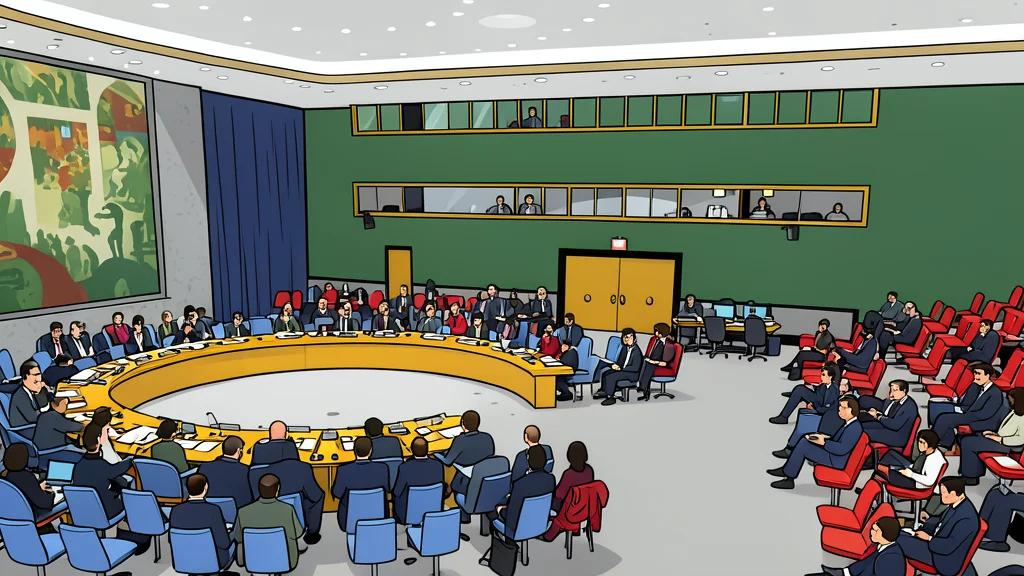
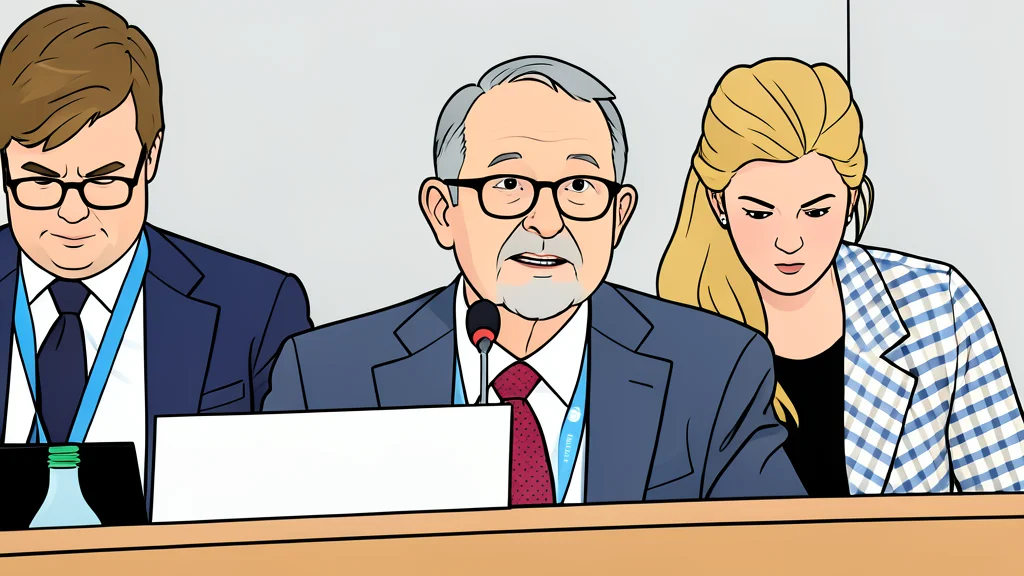
Diplomats from Pakistan, Russia, and China expressed deep concern during a recent Security Council session, warning that Afghanistan has once again become a hub for militant activity despite Taliban governance.
Members of the United Nations Security Council voiced renewed alarm on Wednesday regarding the persistent presence of terrorist organizations within Afghanistan. During a briefing on the country's security landscape, several ambassadors warned that the nation has effectively reverted to a safe haven for militant groups operating with impunity under the current administration. The session highlighted a growing divergence between the Taliban's assurances and the on-ground realities reported by international observers.
Georgette Gagnon, the UN deputy special representative for Afghanistan, informed the council that significant progress on critical security issues remains elusive. According to the GN geopolitics/un desk, her report emphasized that the continued existence of these groups poses a direct threat not only to Afghanistan but also to regional stability and international peace. The lack of tangible movement on these matters has become a central point of contention in diplomatic discussions.
Pakistan Highlights Regional Security Risks
Pakistan’s UN envoy, Asim Iftikhar Ahmad, delivered a stark assessment of the security situation, identifying a deep nexus between the Taliban and various militant factions. He cited the TTP, BLA, and ISIS-K as key actors operating from Afghan soil, arguing that the failure to address these networks has severe consequences for neighboring states. Ahmad noted that over 4,700 Pakistanis have lost their lives to terrorist attacks in recent years, attributing a significant portion of this toll to cross-border threats.
The Pakistani representative also raised concerns about the proliferation of advanced military equipment, including drones and arms left behind by international forces after their withdrawal. He expressed disappointment that the Taliban have not taken concrete, verifiable steps to dismantle these groups, describing their inaction as a disregard for the legitimate security concerns of Pakistan and other affected nations. This perspective underscores the tangible impact that unresolved internal security issues in Afghanistan have on its neighbors.
Broad International Concerns Over Militant Resilience
Russia’s ambassador, Vassily Nebenzia, echoed these concerns, specifically highlighting the resilience of ISIS-K and the Eastern Turkistan Islamic Movement. He noted that these groups continue to replenish their ranks and receive illicit financial support, maintaining their operational capabilities despite ongoing security pressures. Nebenzia warned that ISIS-K actively seeks to destabilize the region, exploiting opportunities to expand its influence and exploit weapons abandoned by NATO forces.
China’s representative, Sun Lei, framed the issue as a universal obligation, stating that terrorism is a common enemy of humanity. He called on the Taliban to eliminate these groups without ambiguity, urging them to address the concerns of the international community through decisive action. This collective stance from major council members signals a unified front demanding tangible results from the Afghan leadership in combating extremism.
Assessments of Ongoing Threats
The UN Secretary-General’s quarterly report further corroborated these diplomatic warnings, identifying ISIS-K as the most significant terrorist threat emanating from Afghanistan. The document cited recent attacks, including incidents in Nuristan and Badakhshan provinces that resulted in casualties among Taliban security personnel and officials. UN assessments indicate that despite pressure from local security operations, the group retains significant combat capabilities and continues to pose a serious risk to regional stability.