China Builds 1,500-Acre Island in South China Sea
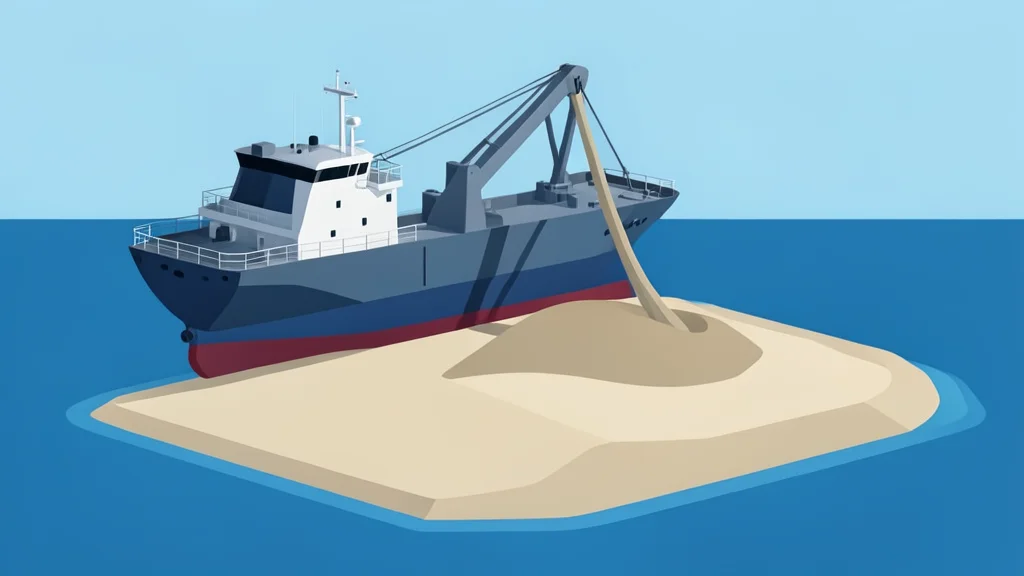
Chinese dredgers have transformed Antelope Reef into a massive military outpost, intensifying strategic competition in the region.
Key points
- Chinese dredgers have built a 1,500-acre artificial island at Antelope Reef since December.
- The new land includes a deep-water port, warship quay, and a 10,000-foot military runway.
- The project intensifies strategic competition in the South China Sea and causes ecological damage.
In the northwest South China Sea, a new landmass has emerged from open water, fundamentally altering the regional military balance. Chinese dredging vessels have been operating continuously since last December, lifting millions of tons of sand from the seafloor to construct a substantial artificial island at Antelope Reef. This site, previously a small, mostly submerged coral formation, now hosts infrastructure that analysts describe as a significant expansion of Beijing’s maritime reach.
According to the military news site TWZ.com, the project has created a nearly 1,500-acre expanse of land featuring a deep-water port and a quay capable of berthing warships. The site also includes the beginnings of a 10,000-foot military-grade runway. These structures suggest the island is designed to support heavy military assets, including diesel power plants, surveillance systems, and electronic warfare installations, placing them closer to neighboring nations such as Vietnam and the Philippines.
Historical context of reclamation
This development follows a decade of similar activities in the Spratly Islands, where China previously constructed nearly 3,000 acres of new land within eighteen months. As noted in New Security Beat, these earlier projects involved installing antimissile weaponry and port facilities that could potentially accommodate nuclear submarines. The current work at Antelope Reef, part of the Paracel Islands seized from Vietnam in 1974, marks a further escalation of this long-standing pattern of territorial modification.
Strategic and environmental stakes
The South China Sea remains a critical corridor for global trade, carrying roughly ten percent of the world’s fish and vast reserves of oil and natural gas. The strategic value of these waters drives intense competition among China, Taiwan, Vietnam, the Philippines, Malaysia, and Brunei. While the new island offers a potential launchpad for military operations in a conflict over Taiwan, the process of building it has caused severe ecological damage, destroying coral habitats and clouding waters for miles around.
Observing regional reactions
Diplomats and military analysts are closely monitoring how neighboring states and Washington respond to this latest expansion. The ability to deploy forces closer to regional neighbors raises concerns about freedom of navigation and the stability of the maritime order. The coming months will likely see increased scrutiny of the island’s defensive capabilities and further diplomatic maneuvering among the claimant states.