Korea, Australia Pledge Energy Stability Amid Hormuz Tensions
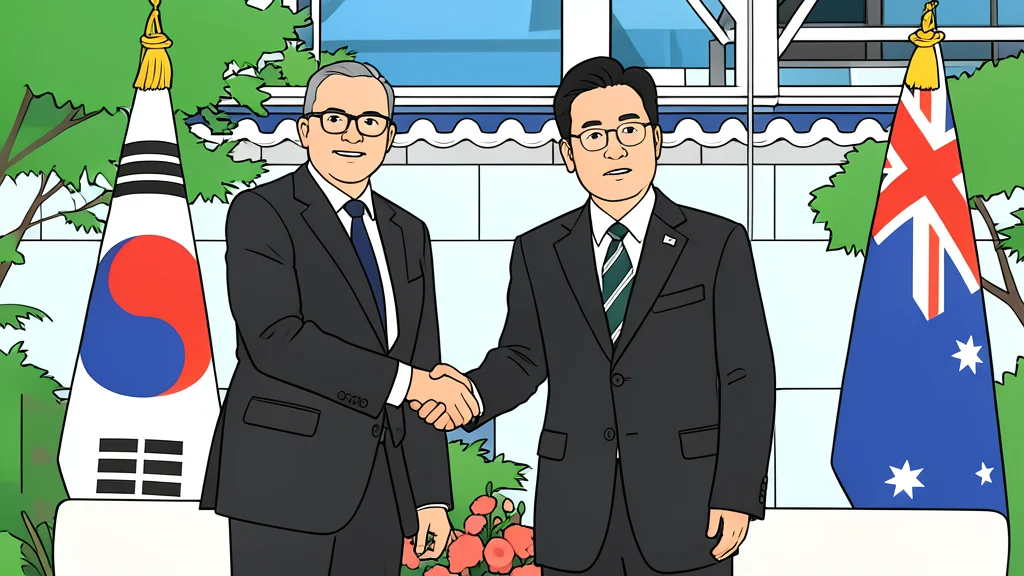
South Korean and Australian leaders reaffirmed mutual energy support in New York, citing disruptions from the Strait of Hormuz conflict.
Key points
- Korean and Australian leaders met in New York to discuss energy supply chain stability amidst Strait of Hormuz disruptions.
- President Lee thanked Australia for its assistance in keeping Korea's energy market stable during the regional conflict.
- Both nations agreed to deepen cooperation in critical minerals, clean energy, and the integration of renewable power for AI infrastructure.
South Korean President Lee Jae Myung and Australian Prime Minister Anthony Albanese met on the margins of the UN General Assembly in New York to address growing concerns over regional energy stability. The bilateral summit focused on maintaining secure supply chains amidst ongoing disruptions linked to the conflict in the Strait of Hormuz, a critical chokepoint for global energy trade.
During the talks, President Lee acknowledged the difficulties Australia faces due to the Middle East conflict but noted that Korea’s energy market has remained relatively stable. He attributed this stability to Australia’s significant assistance and cooperation, expressing gratitude while pledging full collaboration to help resolve any issues facing Canberra, according to Korea JoongAng Daily.
Shared Strategic Interests in the Indo-Pacific
The meeting marked the third summit between the two leaders, following earlier encounters during the G7 and APEC summits. Both nations are members of the Indo-Pacific Four, a group of NATO partners in the region. Prime Minister Albanese emphasized that the two countries share a similar worldview and common values regarding multilateralism, security, and the pursuit of regional stability.
Albanese stated that Korea and Australia rely on each other for economic security, with supplying secure energy to Seoul being a priority. The leaders agreed to cooperate closely to build resilient regional supply chains, reaffirming their status as key partners for the supply of major resources, including liquefied natural gas and petroleum products.
Expanding Cooperation in Critical Sectors
Beyond immediate energy concerns, the leaders discussed broader opportunities for bilateral cooperation. Albanese highlighted Korea’s trusted partnership in sectors such as critical minerals and clean energy, noting the potential to combine Korea’s manufacturing capabilities with Australia’s abundant resources. President Lee expressed agreement and proposed exploring further collaboration, specifically inquiring about Australian policies on utilizing renewable energy for AI data centers.
As Washington pressures allies to consider military support for stability in the Strait of Hormuz, the diplomatic engagement underscores the importance of non-military economic resilience. The two leaders are expected to continue these discussions at upcoming international forums, including the APEC summit in China and the G20 summit in Miami, as they navigate the complex geopolitical landscape.