Trump Calls Iran Nuclear Talks 'Very Good' Amid UN Threats
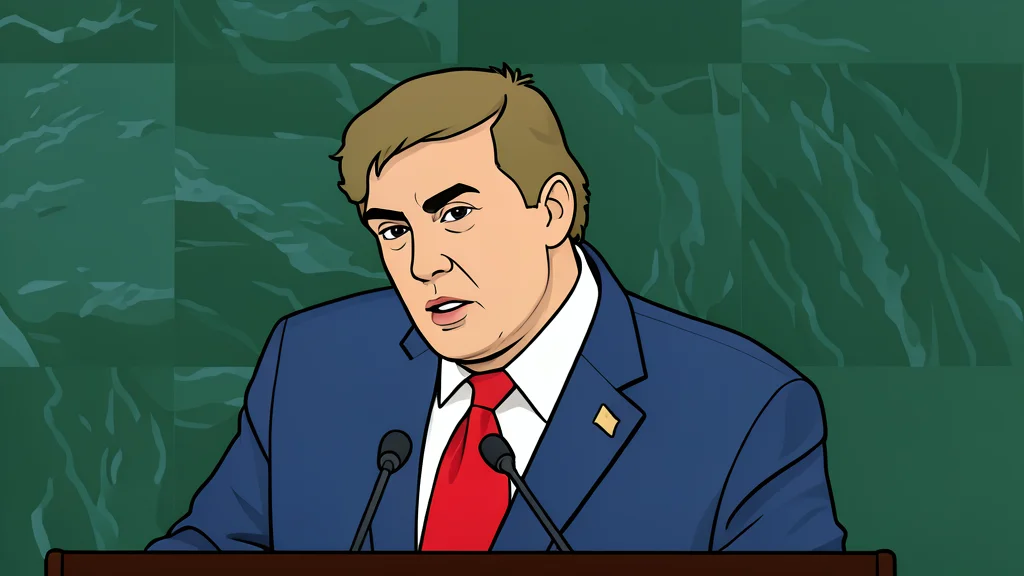
US officials describe three-hour negotiations with Tehran as promising after the president warned of destruction at the UN General Assembly.
Key points
- US envoys Steve Witkoff and Jared Kushner held three-hour talks with Iranian representatives on the sidelines of the UN General Assembly.
- President Trump described the negotiations as very good but warned that the alternative to a deal is the destruction of the regime.
- Iranian officials confirmed their delegation has full authority to negotiate but ruled out a direct meeting between the two heads of state.
President Donald Trump characterized recent three-hour negotiations with Iranian representatives as "very good," marking a slight shift in tone following his stark warnings at the United Nations General Assembly. The talks, held on the sidelines of the UN session, involved US envoys Steve Witkoff and Jared Kushner meeting with Iranian officials to discuss the future of Iran's nuclear program.
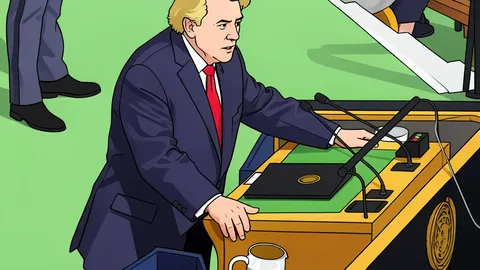
According to The Media Line, the discussions took place shortly after Trump addressed the assembly, where he framed the situation as a binary choice between a diplomatic agreement and the destruction of the Islamic Republic. While the president acknowledged that the relationship is developing, he maintained a firm stance that Iran cannot be permitted to acquire nuclear weapons.
Diplomatic Pathways Remain Narrow
Trump stated that another meeting is scheduled to follow the initial contact, with Witkoff expressing optimism about the direction of the discussions. The president emphasized that while the US is open to dialogue, the red line regarding nuclear capability remains absolute. He noted that Tehran has shown willingness to engage, describing the ongoing communication as a sign that the relationship is evolving.
Tehran Signals Readiness for Dialogue
A senior Iranian official told Reuters that Tehran is prepared to resume negotiations, with Foreign Minister Abbas Araghchi leading a delegation granted full authority to revive diplomacy with Washington. However, the official explicitly ruled out a direct summit between President Trump and Iranian President Masoud Pezeshkian, suggesting that high-level personal meetings are not currently part of the immediate roadmap.
Regional Dynamics and Future Outlook
Trump previously suggested that a potential agreement might emerge after US midterm elections, asserting that the outcome of the vote would not alter his fundamental policy of preventing nuclear proliferation. He referenced past military operations as a backdrop for his warning, presenting Iran with a choice between "greatness or destruction." As the US continues to engage with regional partners, including leaders from Saudi Arabia, the UAE, and Qatar, the focus remains on whether these tentative talks can translate into a verifiable nuclear deal.