Fiji Parliament Seat Stays Vacant Amid Constitutional Timing
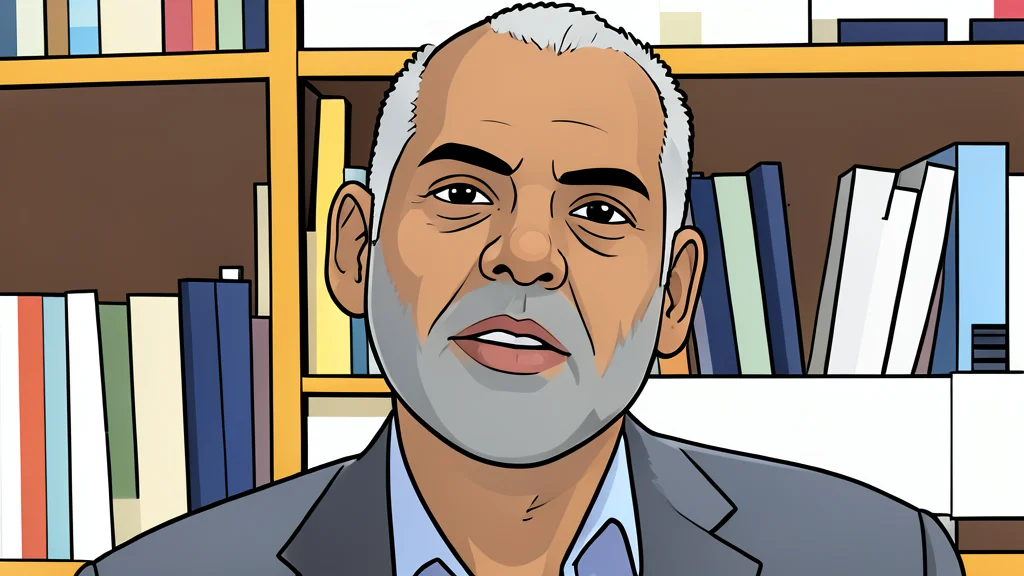
The Electoral Commission of Fiji has determined that the parliamentary seat formerly held by Agni Deo Singh will not be filled by a successor from his party's list. This decision follows a specific constitutional provision regarding the timing of vacancies.
In a formal clarification issued to the public, the Electoral Commission of Fiji has announced that the parliamentary seat of the late Agni Deo Singh will remain vacant until the next general election. The Commission extended its condolences to Singh’s family and colleagues, acknowledging his long-standing service to the nation and his advocacy for workers' rights. However, the primary focus of the communication is the legal procedure governing the vacancy, which precludes the appointment of a replacement candidate at this stage.
According to the Commission, the decision is rooted in Section 64 of the Constitution of the Republic of Fiji. While Section 64(1) typically allows the Commission to award a vacant seat to the highest-ranked available candidate from the same political party, specific temporal conditions apply. The Commission noted that the constitutional window for such an appointment has closed, thereby removing the authority to initiate a process for filling the position with a new member from the party list.
Constitutional Timelines Dictate Outcome
The key factor in this determination is Section 64(3) of the Constitution, which stipulates that if a seat becomes vacant more than three years and six months after the first meeting of Parliament following the most recent general election, it must remain vacant until the next general election. The Commission stated that this specific deadline elapsed on 24 June 2026. Consequently, the legal mechanism for transferring the seat to the next candidate on the party's list is no longer available, leaving the position empty for the remainder of the current parliamentary term.
Institutional Clarification on Procedures
As reported by GN geopolitics/politics, the Commission emphasized that this clarification is issued in the interest of ensuring transparency and a clear understanding of the constitutional processes. By explicitly citing the relevant sections of the Constitution, the body aims to dispel any confusion regarding why the seat is not being filled immediately. The statement underscores the Commission's role in adhering strictly to the legal framework that governs the membership of Parliament, rather than acting on political considerations or public pressure to fill the gap.
Parliamentary Dynamics Remain Unchanged
With the seat left vacant, the numerical composition of Parliament remains unchanged for the time being. The late Singh’s contribution to government and society was recognized in the Commission's remarks, but the procedural outcome ensures that no new member will be sworn in for this specific constituency or party list slot. The political implications of this vacancy will persist until voters return to the polls for the next general election, at which point the seat will be contested anew.
Awaiting Next Electoral Cycle
The immediate consequence is a static parliamentary landscape where the vacancy serves as a reminder of the rigid constraints placed on post-election appointments. For observers and political actors, the focus now shifts to the broader electoral calendar. There is no further procedural step to be taken by the Electoral Commission regarding this specific seat in the interim. The situation highlights the importance of constitutional timelines in shaping the practical realities of legislative representation in Fiji.