NATO Intercepts Drone Entering Lithuanian Airspace
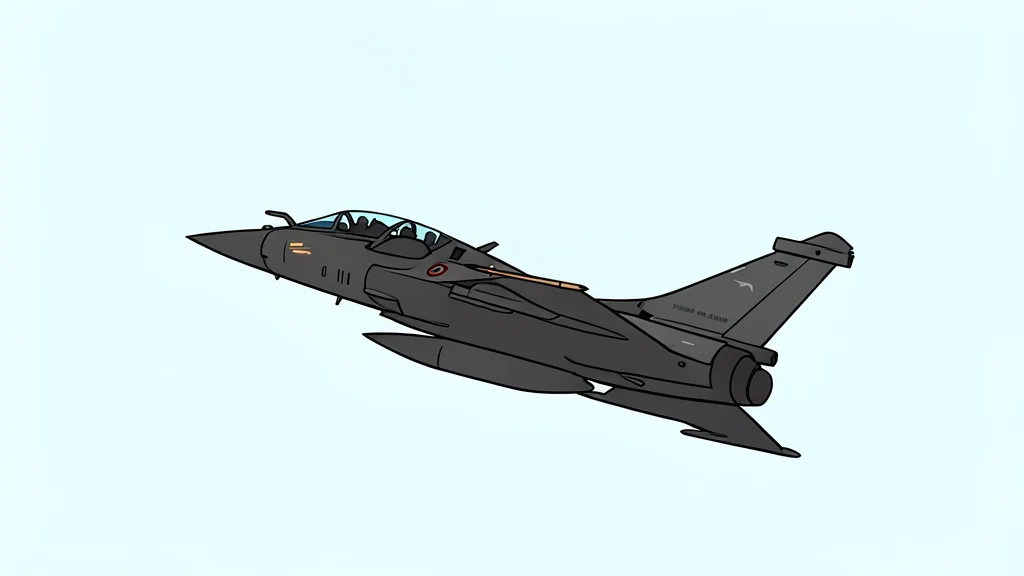
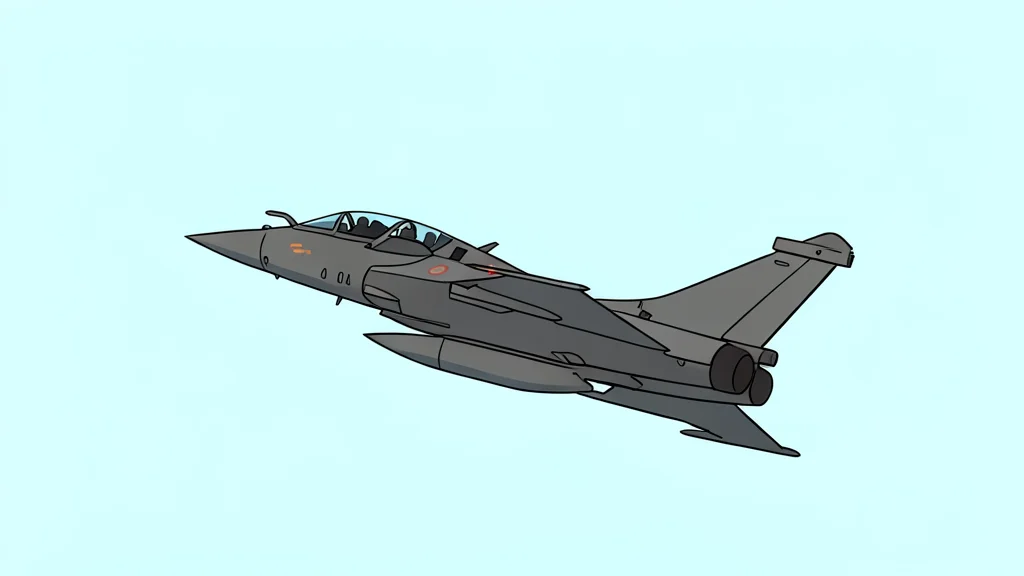
Lithuanian authorities confirmed that NATO fighter jets destroyed an unidentified drone that breached the country's southern border overnight, marking a significant escalation in recent air incursions.
Lithuanian President Gitanas Nausėda announced on social media that a drone which entered the nation's airspace was neutralized by NATO fighter jets. According to local officials, the incident occurred shortly after midnight on Tuesday, with the object likely originating from neighboring Belarus and entering the airspace near the city of Kaunas. The Lithuanian Ministry of Defense characterized the response by armed forces and Italian pilots participating in the NATO Air Defence Mission as swift and responsible, highlighting the immediate coordination required to secure the region.
While the specific origin of the drone remains unconfirmed by the Lithuanian national crisis management center, the event has intensified scrutiny regarding security threats in the Baltic region. Moscow has not offered any comment on the incident so far. The situation underscores the complex geopolitical landscape where Lithuania shares a substantial portion of its southern and eastern borders with Belarus, a close ally of Russia. Authorities are currently investigating the details of the breach to determine the precise nature and intent behind the incursion.
Regional security context
This interception follows a pattern of increasing drone sightings across Europe since the start of Russia’s full-scale invasion of Ukraine. According to reports from GN geopolitics/nato, similar incidents have occurred in neighboring Baltic states, including Estonia and Latvia, where stray Ukrainian drones have occasionally crossed borders. Ukraine has previously attributed these deviations to Russian electronic warfare capabilities designed to alter flight paths. In May of this year, residents in Vilnius were required to take shelter during a drone alert that briefly disrupted aviation and rail services, illustrating the tangible impact of these threats on daily life.
The frequency of such events has prompted repeated scrambles of NATO aircraft to monitor and, if necessary, neutralize potential threats. The Baltic states, having joined the alliance in 2004, rely on the collective defense commitment outlined in Article 5. This provision stipulates that an armed attack against one member is considered an attack against all, a principle that remains central to the current defense posture in the region. The ongoing tension highlights the challenges faced by European nations in distinguishing between hostile aggression and unintended technical failures in a high-threat environment.
Investigation and attribution
Determining the source of the intercepted drone is a priority for Lithuanian authorities, as it will influence future diplomatic and military responses. A spokesperson for the crisis management center indicated that the origins are yet to be determined, with investigations ongoing. Previous incidents, such as the one reported on September 13, involved objects traveling from Belarus into Lithuania and then into Russian airspace, though those did not trigger air threat alerts. The lack of consistent data makes it difficult to establish a clear trend, leading to a cautious approach in public communications.
The ambiguity surrounding these events complicates the narrative for both policymakers and the public. Without clear attribution, it is challenging to assess whether these are isolated incidents or part of a broader strategy. The Lithuanian government has emphasized the need for continued readiness and coordination with allies. As the investigation progresses, the focus remains on maintaining airspace integrity and ensuring that the population is informed and protected against potential further incursions.
Forward-looking implications
The next steps will likely involve detailed technical analysis of the wreckage and enhanced surveillance along the border. NATO officials are expected to review the incident to assess whether existing air defense protocols need adjustment. The situation serves as a reminder of the persistent security challenges in Eastern Europe, where the lines between conflict zones and stable regions remain blurred. Observers will be watching for any official statements from Russia or Belarus, as well as further movements by NATO forces in the area.
For now, the focus is on de-escalation and accurate information dissemination. The Lithuanian government has urged citizens to stay informed through official channels while maintaining normal routines where possible. The incident reinforces the importance of multinational cooperation in addressing shared security threats. As the geopolitical landscape continues to evolve, the ability to respond swiftly and accurately will remain a critical component of regional stability.