Sudan Humanitarian Systems Face Imminent Collapse Due to Funding Shortfall
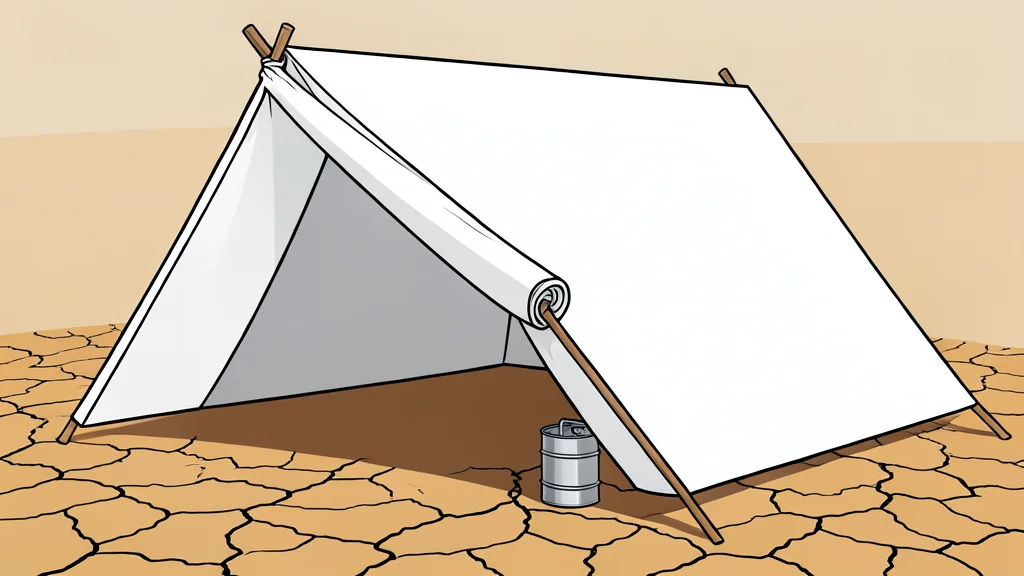
The International Organization for Migration warns that essential aid supplies in Sudan may be exhausted by the end of September, threatening the survival of millions displaced by ongoing conflict.
Humanitarian operations in Sudan are approaching a critical breaking point, according to the International Organization for Migration (IOM). The agency issued a stark warning on Monday that supplies for shelter, sanitation, and emergency household items could run out entirely by the end of September. This potential depletion comes at a time when hundreds of thousands of displaced individuals are already struggling to survive amid continued fighting and severe weather conditions. Without immediate financial intervention, the infrastructure designed to deliver life-saving assistance risks becoming non-functional, leaving vulnerable populations without basic necessities.
The scale of the displacement crisis remains staggering, with IOM data indicating that 8.6 million people are currently internally displaced across the country. These individuals are largely living in precarious conditions, with nearly 70% residing with host families or in informal settlements that offer little protection from the elements or security threats. The combination of active hostilities and heavy rains has further deteriorated living conditions, forcing some families to displace once again as their shelters are damaged or destroyed. The agency noted that the entire humanitarian system is at risk of collapsing within weeks if new funding is not secured to sustain current operations.
Funding gaps shrink aid reach
The decline in available resources has directly reduced the number of people receiving support through the IOM-managed Common Humanitarian Pipeline. This shared logistics system, which utilizes more than 100 registered partners to deliver emergency supplies, saw a significant drop in beneficiaries as funding dried up. In 2024, over one million people received assistance through this channel, a figure that has fallen to 804,000 in 2025. So far this year, only about 330,000 people have received shelter kits and emergency household items, marking a sharp decrease in the agency’s ability to respond to the growing need.
IOM leadership has emphasized the urgency of the situation, with Director General Amy Pope stating that the organization cannot turn its back on the people of Sudan during such a critical period. She warned that without new funding, the agency will be unable to direct help to those who need it most. The IOM is currently seeking $15 million to maintain the pipeline at its minimum capacity for the next 12 months, which would allow it to support approximately 305,000 people. Higher funding levels of $27 million or $42 million would restore assistance to 2025 levels or reach up to one million people, respectively, but the current shortfall threatens even the basic operational continuity.
Risks of inadequate shelter rise
The potential interruption of aid delivery carries severe consequences for the health and safety of displaced families. The IOM warned that inadequate shelter significantly increases exposure to extreme weather, disease, and insecurity. Families without proper protection are more vulnerable to gender-based violence and may be forced into further displacement cycles as conditions deteriorate. The agency noted that its warehousing and operational capacity can only be maintained until December without additional financial support, leaving a narrow window for donors to act before the system becomes unsustainable.
This warning comes against the backdrop of a conflict that has persisted since April 2023, when fighting erupted between the Sudanese army and the paramilitary Rapid Support Forces. The war has created one of the world’s largest humanitarian crises, displacing millions and straining regional resources. As the rainy season intensifies and military operations continue, the gap between the immediate needs of the population and the available humanitarian capacity widens. The coming weeks will be a decisive test of the international community’s commitment to sustaining aid channels in a conflict zone where the infrastructure for survival is crumbling.