India and China Move Toward Cautious Diplomatic Thaw
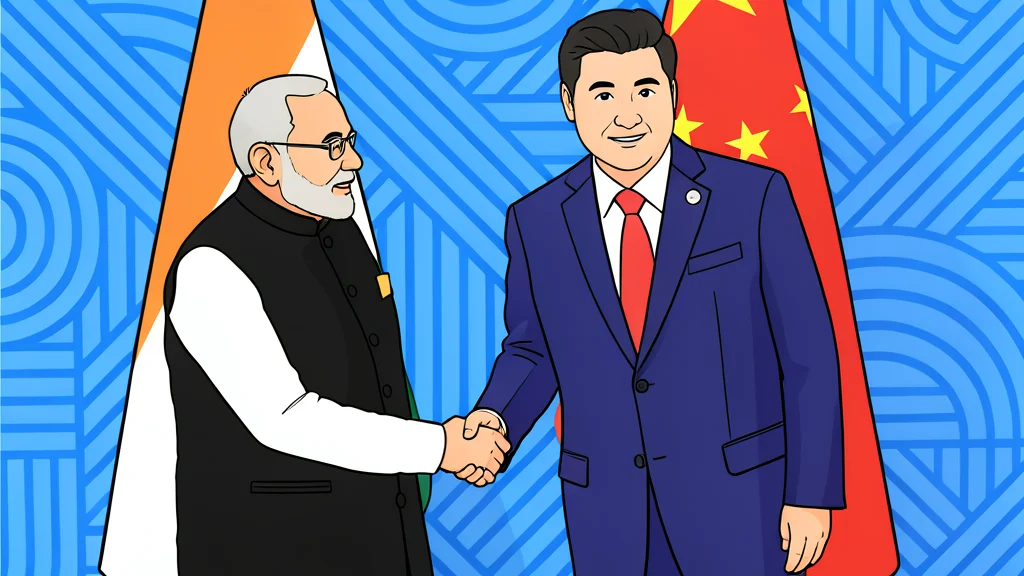
As Prime Minister Narendra Modi and President Xi Jinping prepare for talks in New Delhi, bilateral relations are shifting from the peak of 2020 hostilities to a period of managed stability and economic re-engagement.
Indian Prime Minister Narendra Modi and Chinese President Xi Jinping are scheduled to meet on September 12 on the sidelines of the BRICS summit in New Delhi. According to GN geopolitics/war (en-US), this engagement marks a significant shift in bilateral dynamics, representing the first visit by the Chinese leader to India in seven years. The meeting serves as a critical juncture for two nuclear-armed neighbors who have moved from the brink of open conflict to a more structured, albeit cautious, diplomatic footing.
The trajectory of these relations has been defined by a sharp downturn following the deadly hand-to-hand combat in the Galwan Valley in 2020, which resulted in the deaths of at least 24 soldiers. Since that incident, both governments have navigated a complex landscape of border standoffs, economic restrictions, and diplomatic friction. However, recent developments suggest a gradual normalization, driven by a desire to stabilize the shared 3,800-kilometer border and revive interrupted economic ties.
From Frontier Conflict to Disengagement
The immediate aftermath of the 2020 clash saw New Delhi tighten scrutiny on Chinese investments, ban popular mobile applications, and sever direct passenger air links. Beijing responded by restricting people-to-people exchanges, including travel for journalists and business professionals. These measures reflected a broader strategic retrenchment as both sides sought to assert their positions along the largely undemarcated Himalayan border.
Progress began to materialize in 2024, when the two nations reached a disengagement pact. This agreement required both sides to withdraw troops from five specific locations where they had been facing off, returning to the status quo ante of 2020. By December of that year, the remaining two contested areas were also de-escalated. While substantial military deployments remain along the frontier, the physical standoff has been reduced, creating space for diplomatic dialogue.
Economic Reintegration and Persistent Frictions
Commercial relations have shown signs of recovery, with India resuming direct flights and easing regulations on business visas for Chinese professionals. China remains India’s largest source of imports, with trade valued at approximately $132 billion in fiscal year 2025/2026. This volume includes over 100 products deemed critical to Indian manufacturing, particularly in sectors such as electronics and infrastructure, highlighting the deep interdependence that persists despite political tensions.
However, industry executives note that bottlenecks in visa processing and equipment procurement remain significant hurdles. New Delhi continues to exercise caution regarding Chinese investment in sensitive sectors like finance, defense, and telecommunications. Additionally, the 2025 military conflict between India and Pakistan introduced a new layer of complexity, as Pakistan’s reliance on Chinese-made fighter jets and missiles during the four-day engagement has heightened Indian wariness toward Beijing’s influence in the region.
Territorial Disputes and Regional Dynamics
Underneath the surface of improving trade lies the enduring dispute over Arunachal Pradesh, a region India administers but Beijing claims as part of southern Tibet. This territorial ambiguity remains a potent flashpoint that can quickly disrupt diplomatic progress. The recent summit in New Delhi therefore carries weight not only for bilateral ties but also for the broader geopolitical stability of South Asia, where the interests of India, China, and Pakistan are increasingly intertwined.
As the leaders prepare for their talks, the focus will likely remain on maintaining the momentum of the disengagement process while addressing the economic frictions that continue to hinder full commercial integration. The coming months will be indicative of whether this cautious thaw evolves into a lasting stability or remains a fragile pause in a long-standing strategic rivalry. Observers will watch for concrete commitments on border patrols and trade facilitation as key indicators of the relationship’s future direction.