Diplomatic Tensions Rise over New IAEA Resolution

Analysts suggest the recent IAEA board resolution is driven by political pressure rather than new technical findings, raising the risk of further escalation in the region.
According to experts interviewed by Iranian media, the recent resolution passed by the IAEA Board of Governors is viewed primarily as a political maneuver rather than a technical necessity. The document was adopted under pressure from the United States and European allies, aiming to isolate Tehran diplomatically. Critics argue that the resolution does not highlight any new ambiguities in Iran’s nuclear program that had not previously been addressed, suggesting that Iran has maintained a level of transparency required by international standards.
This assessment aligns with the broader narrative found in the GN auto geopolitics/middle-east: Iran nuclear coverage, which frames the current diplomatic standoff as a struggle over leverage rather than safety. The political dimension of the board's actions is said to outweigh technical concerns, with some analysts warning that referring the matter to the UN Security Council could provoke a drastic response from Tehran, potentially including a withdrawal from the Nuclear Non-Proliferation Treaty, although such a move would likely face vetoes from Russia and China.
Geoeconomic Leverage and Strategic Position
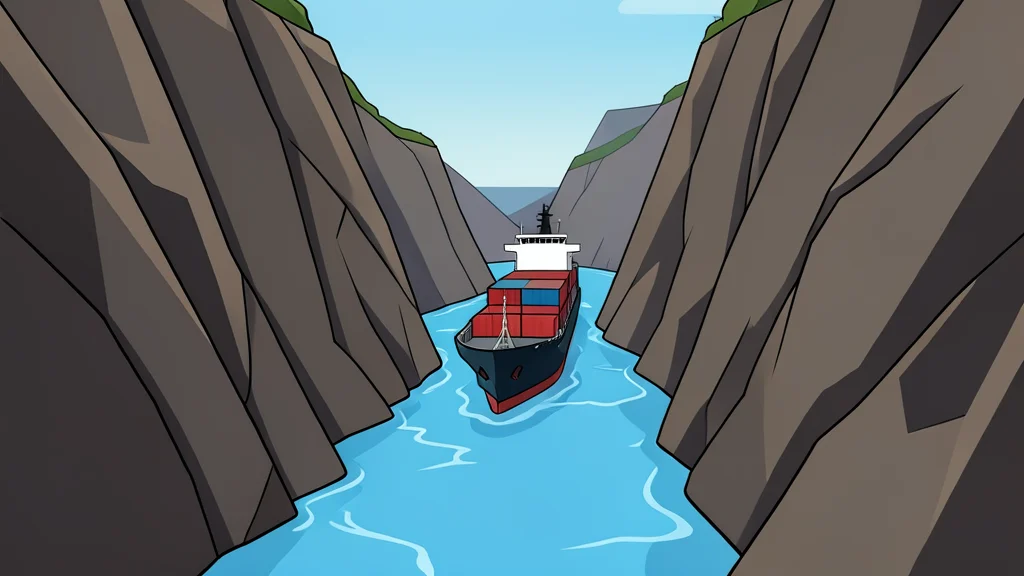
Beyond the nuclear dispute, Iranian geopolitical analysts emphasize the country's strategic geographic advantages. Professor Bahador Zarei notes that while Iran’s trade volume remains modest relative to its size, its position as a bridge between Central Asia, the Caucasus, and South Asia provides significant leverage. With land and maritime borders touching thirteen countries, implementing comprehensive economic sanctions is argued to be structurally difficult. The potential for resolving issues in the Strait of Hormuz could further complicate Western efforts to isolate Iran economically, as the region’s stability is inextricably linked to Tehran's cooperation.
Regional Dynamics in the Persian Gulf
Editorials in regional publications highlight a shift in how the conflict is perceived by Tehran. The paper Siasat-e-Rooz argues that Iran is expanding its operational scope from purely military domains into technological and economic spheres, asserting that control over the Strait of Hormuz remains a decisive factor. The publication maintains that while the United States and Israel may have initiated the current phase of confrontation, Tehran holds the capacity to determine the conclusion of the conflict through sustained regional influence and infrastructure resilience.
Similarly, Jam-e-Jam describes the situation as an attritional deadlock, criticizing US strategic decisions for failing to achieve sustainable results. Despite temporary successes in targeting military infrastructure, these actions are met with immediate counter-strikes, including drone attacks, while Iran’s industrial base remains functional. This perspective suggests that the conventional approach of applying pressure through military and economic means is encountering significant structural limits in the current geopolitical landscape.
Forward Looking Diplomatic Risks
The path forward remains uncertain as diplomatic channels tighten. Observers are watching for any moves toward the UN Security Council, which could trigger a reciprocal response from Iran regarding its treaty obligations. The interplay between political resolutions and technical compliance will likely dictate the next phase of engagement, with regional stability hinging on whether economic and military pressures can be balanced against diplomatic dialogue.