Senate Panel Prepares for Classified Iran Briefing
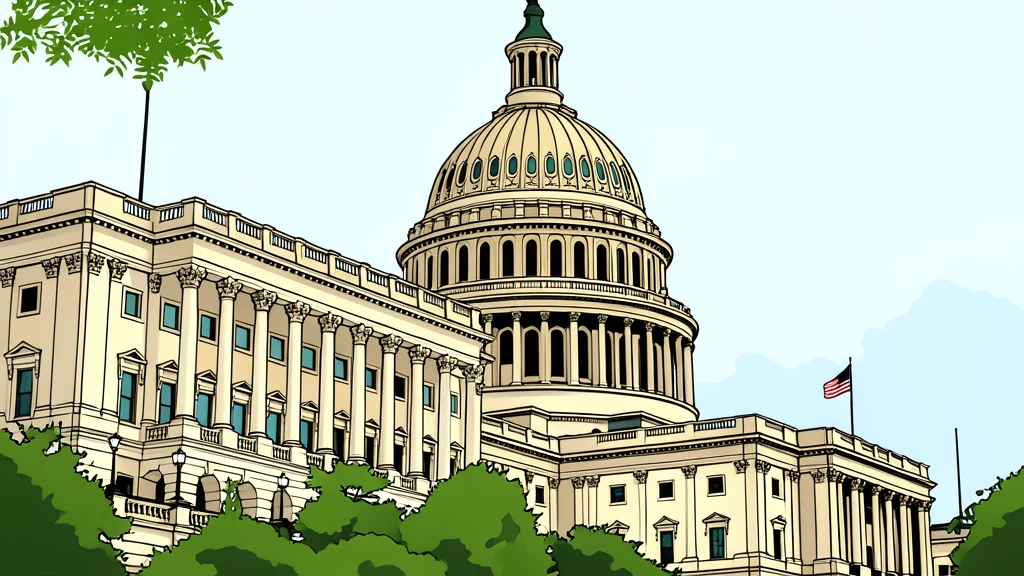
Lawmakers in Washington are preparing to review classified intelligence regarding Iran's military posture and nuclear capabilities ahead of a closed-door session scheduled for next month.
The U.S. Senate Select Committee on Intelligence is set to hold a closed briefing on September 15 to assess evolving national security threats, with a specific focus on the ongoing conflict involving Iran. According to recent intelligence reporting cited by the GN auto geopolitics/middle-east: Iran nuclear desk, Tehran has demonstrated increased confidence in its ability to sustain operations in the Middle East. This shift in posture comes amid reports that Iran utilized cluster munition ballistic missiles in an attack on American forces in Jordan earlier this week, highlighting persistent risks to U.S. personnel deployed in the region.
The decision to convene this session reflects a broader legislative interest in understanding the strategic implications of the current war. While the Office of the Director of National Intelligence assessed in March that Iran's strategic position had been significantly degraded, it also noted that the regime remains intact. Lawmakers are now seeking to determine whether Tehran is considering significant escalation or attempting to rebuild its military, missile, and drone capabilities over time.
Committee Leadership and Process
Sen. Tom Cotton of Arkansas chairs the committee, with Sen. Mark Warner of Virginia serving as vice chairman. The panel includes a bipartisan group of members, such as Sens. James Risch, Susan Collins, Ron Wyden, and Kirsten Gillibrand, among others. Because the briefing is designated as closed, the committee has not publicly identified the specific intelligence matters that will be discussed or the participants who will present the classified materials. This lack of transparency is standard for sessions dealing with sensitive operational details, but it has drawn attention to the broader context of the discussions.
The closed nature of the session means that the public will not have immediate access to the findings or specific recommendations that may emerge. However, the composition of the committee suggests a thorough review of the intelligence community's assessments. Members are expected to weigh the latest data against previous reports to gauge the true state of Iran's military readiness and its potential for future actions against U.S. interests.
Nuclear Program Verification Challenges
A central point of contention remains the status of Iran's nuclear program. Director of National Intelligence Tulsi Gabbard stated in March that Iran had not attempted to rebuild its uranium enrichment capability following U.S. strikes. This claim was supported by subsequent reporting from Iran's ambassador to the International Atomic Energy Agency, who likewise stated that enrichment had not resumed. However, the IAEA has reported that it lacks full access to Iranian nuclear facilities, limiting its ability to independently verify all nuclear material. This gap in verification creates a layer of uncertainty that lawmakers must consider when assessing the threat.
President Donald Trump addressed this issue during his State of the Union address in February, asserting that Iran wanted to restart its nuclear program and develop long-range missiles. He simultaneously maintained that U.S. strikes had obliterated Iran's existing nuclear infrastructure. The distinction between the condition of the program immediately after the strikes and Tehran's subsequent intentions remains a key area of debate. Intelligence assessments suggest that while immediate capabilities may be degraded, the underlying technical knowledge and intent persist, posing a long-term strategic challenge.
Future Missile Capabilities and Risks
Beyond nuclear enrichment, the intelligence community has highlighted Iran's progress in missile technology. Recent assessments indicate that Iran has demonstrated technology that could support the development of a militarily viable intercontinental ballistic missile before 2035, should Tehran choose to pursue that capability. While current strikes have damaged Iran's missile infrastructure, the potential for rapid recovery and advancement remains a concern. The committee will likely examine how these technological trajectories intersect with Iran's current operational conduct in the region.
The forward question for policymakers is how to balance immediate security needs with long-term strategic deterrence. As the war continues, the Senate's review will provide a critical checkpoint for understanding the evolving threat landscape. Watch for any public statements from committee members following the closed session, as they may offer clues about the severity of the intelligence presented and the subsequent policy directions the U.S. may pursue in response to Iran's actions.