India and Japan Air Chiefs Fly LCA Tejas in Joint Exercise
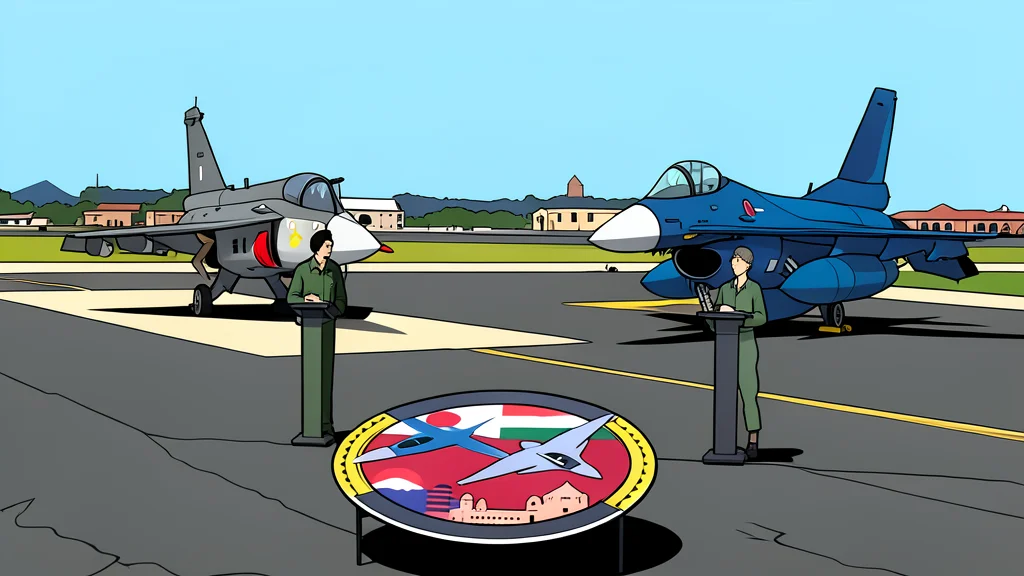
Air Chief Marshal Amar Preet Singh and General Takehiro Morita flew separate LCA Tejas jets during the Veer Guardian-2026 exercise in Jodhpur.
Key points
- Indian and Japanese Air Force chiefs flew separate LCA Tejas jets during the Veer Guardian-2026 exercise.
- The bilateral exercise in Jodhpur involves Indian Su-30MKI and Rafale jets alongside Japanese F-2A fighters.
- Defence Minister Rajnath Singh called the Japanese participation a significant milestone for defense ties.
Air Chief Marshal Amar Preet Singh of the Indian Air Force and General Takehiro Morita of the Japan Air Self-Defense Force conducted a joint sortie in the Light Combat Aircraft Tejas. The flight took place on Sunday at Air Force Station Jodhpur, marking a high-profile moment within the ongoing bilateral air exercise.
According to reports from etvbharat.com, both chiefs flew separate indigenous Tejas jets. Following the flight, the two senior military leaders engaged in a patch exchange, a symbolic gesture intended to underscore the deepening defense partnership between New Delhi and Tokyo.
Exercise Scope and Aircraft Mix
The Veer Guardian-2026 exercise runs from September 9 to September 22 in Rajasthan. The Indian Air Force has deployed a diverse fleet for the training, which includes the LCA Tejas, Su-30MKI multirole fighters, and Rafale jets. This mix allows for varied tactical scenarios and interoperability testing with foreign counterparts.
Japan’s air force is participating with its F-2A fighter aircraft. The inclusion of Japanese jets in the Indian airspace is a notable development, as it represents a significant step in operational integration. The exercise provides a platform for pilots from both nations to practice coordinated air defense maneuvers and communication protocols.
Strategic Significance of Participation
Defence Minister Rajnath Singh described the Japanese participation as a significant milestone for the bilateral relationship. This characterization highlights the political weight attached to military cooperation in the region. The exercise serves not only as a tactical drill but also as a signal of alignment between the two democracies in the Indo-Pacific.
The joint sorties by the service chiefs amplify this message, demonstrating personal commitment to the alliance. By flying the indigenous Tejas, the Indian leadership also showcases the capabilities of its domestic aviation industry to international observers. Such visibility can influence future defense procurement and technology transfer discussions.
Forward Looking Military Cooperation
As the exercise nears its conclusion on September 22, attention will turn to the outcomes of the joint training. Analysts will watch for any new agreements on data sharing or joint patrol mechanisms. The success of this event may set the stage for more frequent and complex military interactions between India and Japan.