Bangladesh Weighs Joining Makkah Pact Amid Strategic Uncertainty
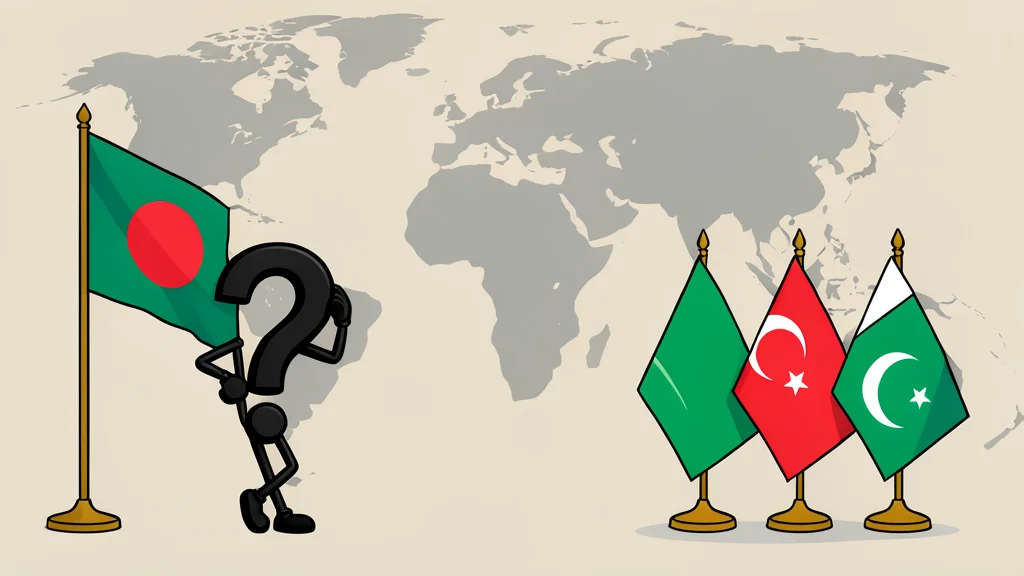
Dhaka officials express interest in the Saudi-led alliance, sparking debate over security doctrine and its impact on ties with India.
Key points
- Bangladesh officials have expressed positive views of the Makkah Pact, signaling potential interest in joining the Saudi-led alliance.
- Analysts argue that Bangladesh lacks a clear national security strategy to guide its alliance decisions and define strategic threats.
- A formal alignment with the pact could fundamentally shift Bangladesh's diplomatic and security relationship with India.
Speculation is mounting in Dhaka regarding whether Bangladesh will formally join the recent trilateral defence pact signed by Pakistan, Saudi Arabia, and Turkiye. State Minister for Foreign Affairs Humayun Kabir recently described the government’s view of the Makkah agreement as
However, analysts note that such a move would represent a fundamental shift in Dhaka’s traditional approach to regional diplomacy. With Prime Minister Sheikh Hasina’s government simultaneously deepening ties with China, any formal alignment with the three-nation bloc could complicate Bangladesh’s relationship with India and alter the strategic balance in South Asia.
Internal Debate Over Security Doctrine
According to Dr. Anas Ansar, a researcher at North South University and the University of Freiburg, the core issue is not merely the alliance itself, but the absence of a comprehensive national security strategy in Bangladesh. He argues that the country lacks a clear framework identifying principal threats, institutional roles, and how traditional and non-traditional security apparatuses should coordinate. Without this foundational doctrine, joining a new pact risks creating dependencies without clearly solving existing security problems.
Ansar points out that proponents of membership have not adequately explained what concrete security issues the arrangement would resolve. Questions regarding potential adversaries, specific obligations, and reciprocal benefits remain unanswered. Conversely, opponents often rely on the principle of strategic autonomy without fully articulating how non-alignment serves current national interests in a changing geopolitical landscape.
Diplomatic Implications for Regional Ties
Ambassador (Retired) Tariq Karim, a former diplomat who served as High Commissioner to India, questions the necessity of the new pact given the longstanding defence relationship between Pakistan and Saudi Arabia. He suggests that the agreement raises immediate questions about the specific vulnerabilities each partner brings to the table. While Saudi Arabia offers financial strength, its economy remains exposed due to oil dependence, creating a complex web of mutual reliance that Dhaka must carefully evaluate.
The debate has spilled into parliament and foreign policy circles, with opinions divided across the political spectrum. As reported by millenniumpost.in, the discussion reflects a broader uncertainty about how Bangladesh should position itself between major powers. The government’s interest in strengthening ties with Muslim-majority nations is clear, but the strategic cost of formalizing these alliances remains a subject of intense scrutiny.
Forward Questions on Strategic Alignment
The central challenge for Dhaka is to define its red lines and strategic objectives before committing to new partnerships. Experts argue that a serious national conversation is needed to determine which alliances strengthen capabilities and which create new vulnerabilities. The decision will likely hinge on how well Bangladesh can balance its economic resilience with its military and diplomatic priorities.
In the coming months, observers will watch for any formal diplomatic steps toward the Makkah pact, as well as how New Delhi responds to Dhaka’s evolving posture. The integration of diplomacy, intelligence, and economic policy will be critical in determining whether Bangladesh navigates this security dilemma without compromising its long-standing policy of balanced relations.