India Consolidates Official Travel for BRICS Summit
In a shift toward minimizing urban disruption, Indian leadership is consolidating transport logistics for the upcoming multilateral gathering in New Delhi.
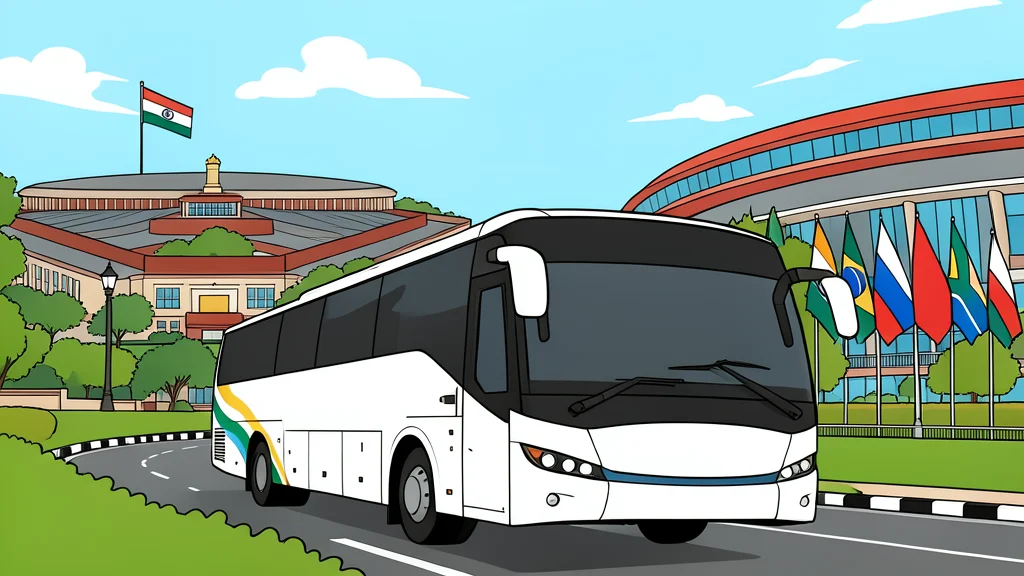
New Delhi is implementing a streamlined transportation protocol for the 2026 BRICS Summit, moving away from traditional multi-vehicle state processions. According to official sources, Union Ministers and Chief Ministers are expected to travel collectively on a single bus from the Parliament complex to the Bharat Mandapam venue. This logistical adjustment aims to reduce the cumulative footprint of security escorts and traffic restrictions, balancing high-level diplomatic requirements with the daily mobility of citizens.
The decision reflects a broader administrative focus on operational efficiency during major international events. By consolidating movements, authorities intend to limit the duration and frequency of road closures that typically accompany VIP travel. This approach aligns with recent governmental priorities to ensure that state functions do not unduly interfere with public life, even amidst the stringent security measures required for a summit hosting leaders from diverse global economies.
Streamlining Urban Mobility During Summit
Delhi Traffic Police have prepared comprehensive diversion plans to manage the flow of vehicles during the September 12 and 13 event period. The shift to a single bus formation allows security agencies to coordinate route management more effectively than managing multiple separate convoys. Commuters are advised to plan their journeys in advance, as specific time slots for departures and arrivals remain subject to final confirmation by security protocols.
This logistical refinement is part of a wider effort to present the host city as both secure and accessible. The reduction in the number of official vehicles is expected to mitigate the pressure on key arterial roads, ensuring that essential services and private transport can continue to function with minimal interruption. The strategy underscores a practical adaptation to the challenges of hosting large-scale diplomatic gatherings in a dense urban environment.
India’s Strategic Role in BRICS
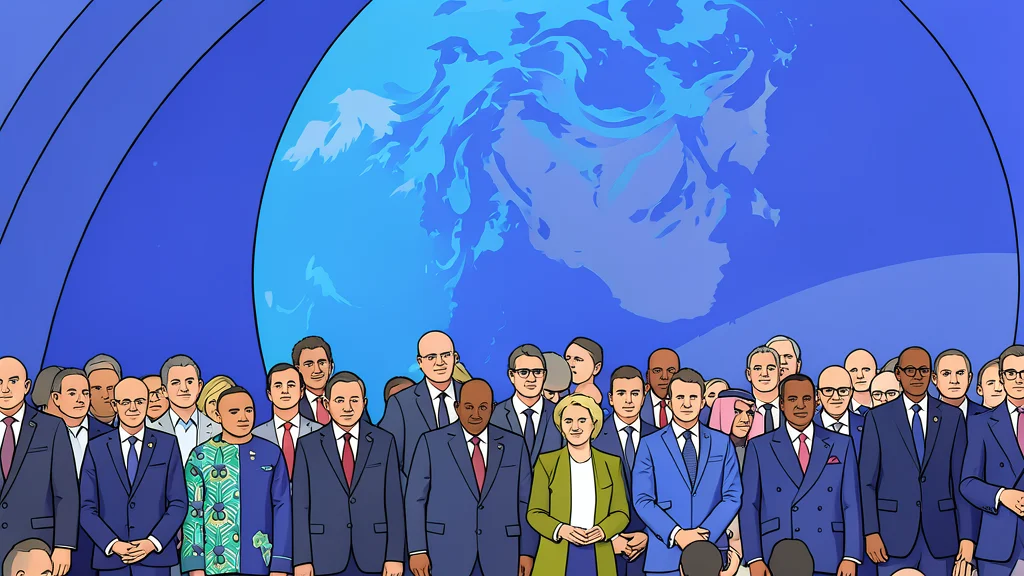
As the fourth chair of the bloc, India is positioning the 2026 summit as a pivotal moment for the organization’s evolution. The event, themed “Building for Resilience, Innovation, Cooperation and Sustainability,” seeks to reinforce BRICS as a constructive forum for emerging economies. The agenda focuses on development, financial cooperation, and technology, highlighting the collective aspirations of the Global South in global governance structures.
Since its expansion in recent years, BRICS has grown into a significant platform for coordinating trade and investment policies. India’s current chairship aims to sustain this momentum by promoting dialogue and institutional effectiveness. The summit combines an ambitious international diplomatic agenda with meticulous domestic planning, demonstrating the host’s commitment to maintaining the bloc’s relevance in a shifting geopolitical landscape.
Balancing Security and Public Access
The coordinated movement of leadership serves a dual purpose of enhancing security efficiency and reducing public inconvenience. By minimizing the number of vehicles requiring escort, the administration can focus resources on static security and perimeter control rather than dynamic traffic management. This methodical approach is consistent with the government’s stated objective of prioritizing public convenience without compromising the safety of international delegates.
Observers from the GN auto geopolitics/global: international summit desk note that such logistical details often signal a host nation’s operational maturity. The ability to host a high-profile multilateral event while maintaining urban functionality is a key aspect of diplomatic presentation. As the summit approaches, the focus remains on executing this balanced strategy, ensuring that the global dialogue proceeds smoothly while the city continues its daily rhythm.