Factions Clash over Iran's Nuclear and Diplomatic Strategy
Internal strife within Iran's leadership has intensified as rival factions trade accusations over the legacy of the nuclear deal and the future of diplomatic engagement.
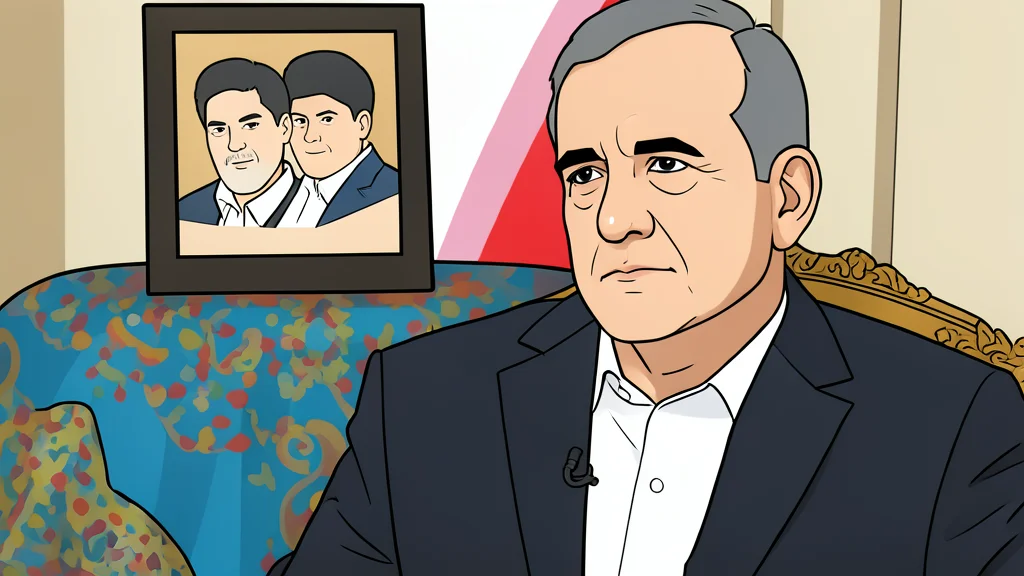
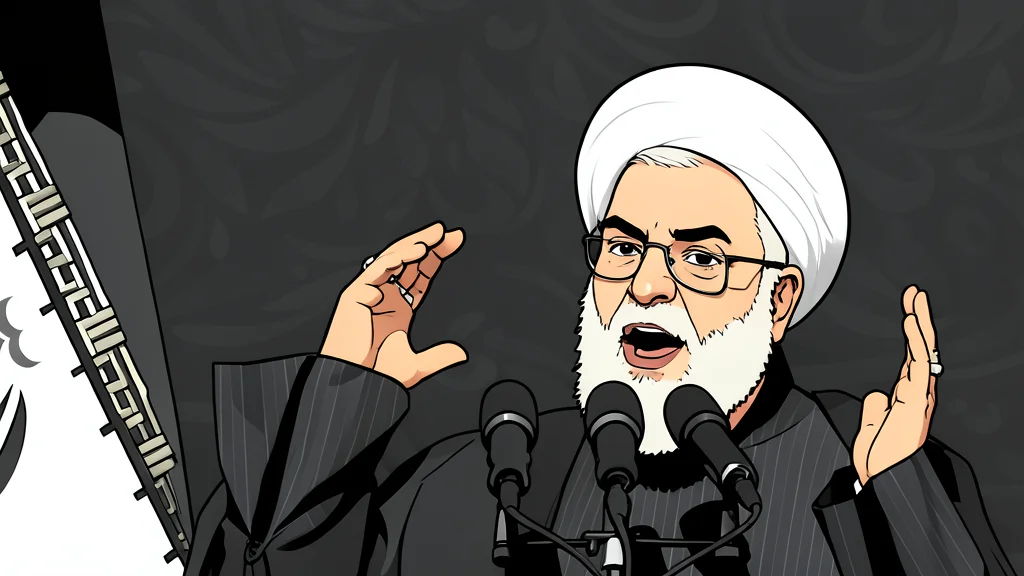
The internal political landscape in Iran has entered a phase of pronounced tension, with senior officials openly disputing the strategic direction of the state. According to reports from GN geopolitics/nuclear (en-US), this infighting centers on the validity of the 2015 Joint Comprehensive Plan of Action and the role of diplomacy in the current security environment. Former President Hassan Rouhani’s recent defense of negotiation has acted as a catalyst, drawing sharp rebuke from hardline figures who view such engagements as a source of national vulnerability.
The controversy was ignited when Rouhani argued that military capability and diplomatic engagement are not mutually exclusive. He contended that the regime should cease presenting these tools as opposing camps, suggesting instead that a dignified agreement could coexist with a strong defense posture. This stance directly challenges the prevailing narrative among hardliners, who often frame any willingness to negotiate as an act of weakness or surrender in the face of external aggression.
Rival Factions Trade Public Accusations
The backlash against Rouhani’s remarks has been personal and severe. Mehdi Fazaeli, a member of the Supreme Leader’s office, accused the former president of leading the most inefficient government since the 1979 revolution. Fazaeli cited opinion polls to label Rouhani as the least popular and most isolated leader in the post-revolution period. These attacks serve to delegitimize the diplomatic track by associating it with administrative failure and public disapproval.
Conversely, Rouhani has pointed to economic indicators from his tenure to validate his approach. He claimed that during the period of the nuclear deal, inflation decreased, economic growth recovered, and non-oil exports approached import levels. By highlighting these metrics, Rouhani argues that the agreement provided tangible benefits, such as self-sufficiency in fuel, thereby challenging the hardline position that confrontation is the only viable strategy for national survival.
Nuclear Deal Viewed as Strategic Mistake
Ahmad Alamolhoda, a regime representative in Mashhad, has taken a firm stance against diplomatic re-engagement. According to Alamolhoda, the current conflict is a direct consequence of the nuclear deal negotiated under Rouhani’s leadership. He rejected the notion that public opinion should influence the duration of the conflict, asserting that the state must continue defending itself against perceived aggression regardless of the timescale involved.
This division highlights a fundamental disconnect within the leadership regarding the nature of the ongoing crisis. While Rouhani emphasizes the need for public trust and participation to make diplomacy successful, hardliners view the current situation as a forced response to external threats. The debate has moved beyond abstract policy discussions to become a contest over historical narrative and the legitimacy of past decisions.
Future Diplomatic Prospects Remain Uncertain
The intensity of this internal dispute suggests that any future diplomatic initiatives will face significant domestic resistance. Observers will watch closely to see if the Supreme Leader’s office attempts to mediate between the factions or if the hardline narrative dominates policy decisions. The ability of the regime to present a unified front will likely be the determining factor in its external engagements in the coming months.