Houthi Prisoners Return to Sanaa Amid Regional Tensions

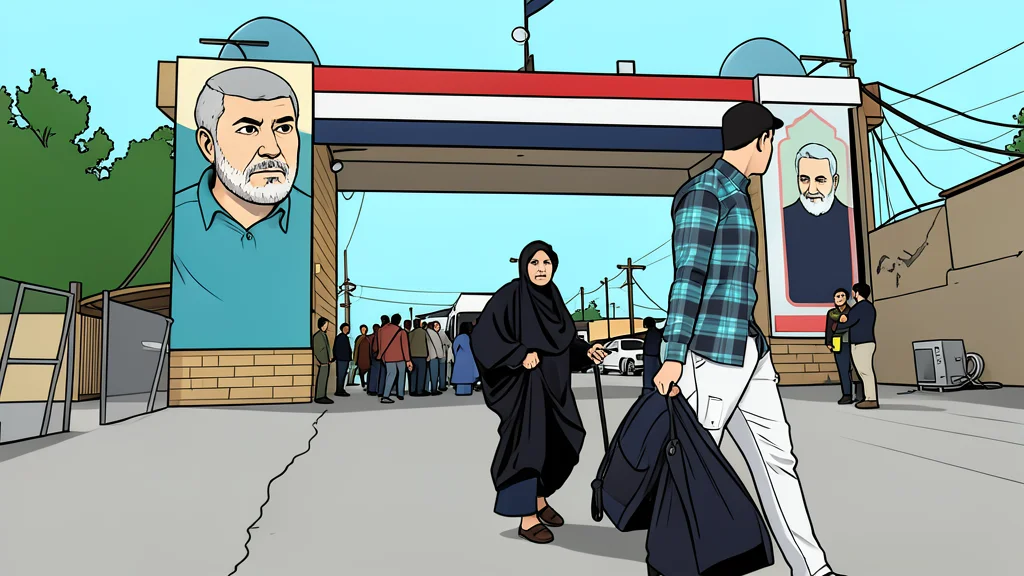
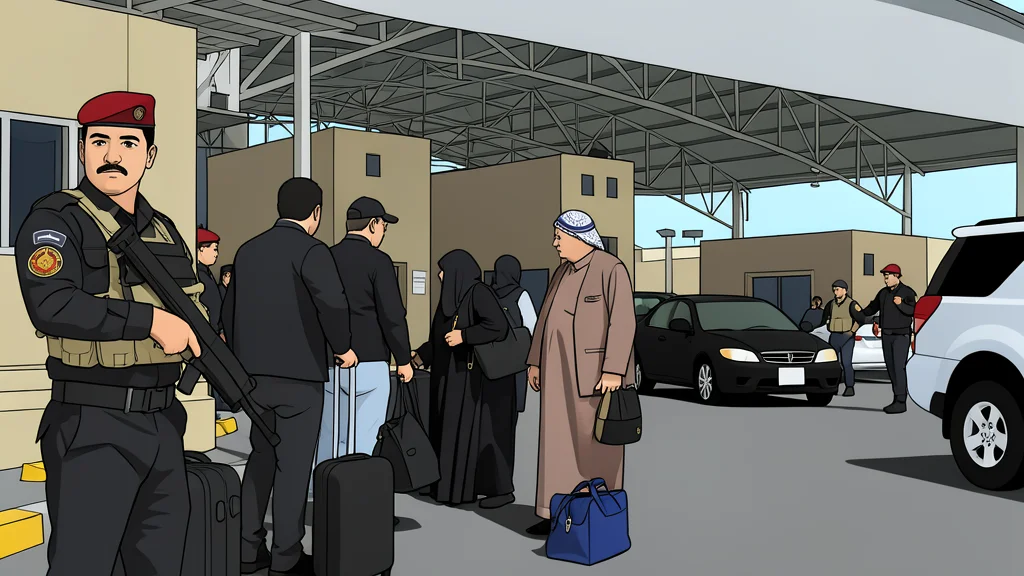
Houthi police officers stood guard in Sanaa on Saturday as former detainees arrived from centers controlled by pro-government forces, marking a significant development in the ongoing Yemeni conflict.
In a significant development within the ongoing Yemeni conflict, Houthi police officers were observed standing guard in Sanaa on Saturday. Their presence marked the arrival of Houthi prisoners who had been rescued from detention centers previously operated by forces aligned with the pro-Yemeni government. This exchange represents a tangible shift in the local security dynamics, moving beyond rhetoric to a physical transfer of personnel.
The event, captured by Reuters correspondent Adel Al Khader on September 12, 2026, highlights the complex interplay of local security forces and political factions in the capital. According to the source material, the scene in the city square was tense but orderly, with uniformed personnel maintaining a strict line of defense. This moment serves as a critical indicator of the current state of negotiations and power balances in the region.
Security Posture in the Capital
The deployment of Houthi police in Sanaa underscores the group's continued control over key urban infrastructure. By securing the arrival of the prisoners, the local authorities demonstrated their capacity to manage high-stakes logistical operations. The paved streets of the city square, typically a hub of civilian activity, were transformed into a controlled zone for this sensitive transfer. This visual display of order suggests a temporary stabilization in the immediate vicinity, even as broader regional tensions persist.
According to the GN auto geopolitics/middle-east: Yemen conflict report, the presence of these officers is not merely ceremonial. It reflects a calculated effort to project strength and legitimacy in the capital. The uniformed line stood as a barrier between the arriving detainees and the public, ensuring that the event remained contained. This level of coordination indicates that the Houthi administration is prioritizing internal security and the management of sensitive personnel movements.
Context of Detention Centers
The release of these prisoners from detention centers run by pro-Yemeni government forces adds a layer of complexity to the conflict. These facilities have long been points of contention, with allegations of mistreatment and political motivation circulating among various factions. The fact that the prisoners were 'rescued' rather than simply released implies a forced extraction or a negotiated handover under duress. This distinction is crucial for understanding the underlying power dynamics at play in Sanaa.
The transfer of these individuals back to Houthi control suggests a shift in the balance of power regarding the fate of political detainees. It may signal a weakening of the pro-government forces' grip on certain detention facilities, or a successful diplomatic push by the Houthis. The outcome of this specific incident could serve as a precedent for future exchanges, potentially influencing the broader trajectory of the civil war.
Implications for Regional Stability
While the immediate event is localized to Sanaa, its implications ripple outward to the wider Middle East. The stability of Yemen is closely watched by regional powers, as the country sits at a strategic crossroads for global trade and energy flows. Any shift in the internal balance of power in Sanaa could have secondary effects on the behavior of other non-state actors in the region. The calm, even-handed observation of this event is essential for assessing the true level of risk.
Looking ahead, the focus will be on how the pro-government forces respond to this loss of control over their detention centers. Will they attempt to reclaim the prisoners, or will they accept the new status quo? The next 48 hours will be critical in determining whether this event marks a turning point or remains an isolated incident. Observers should watch for any further movements of personnel or changes in the security posture in other key cities.