India Weighs Cut in Russian Oil Imports over US Tariff Threat
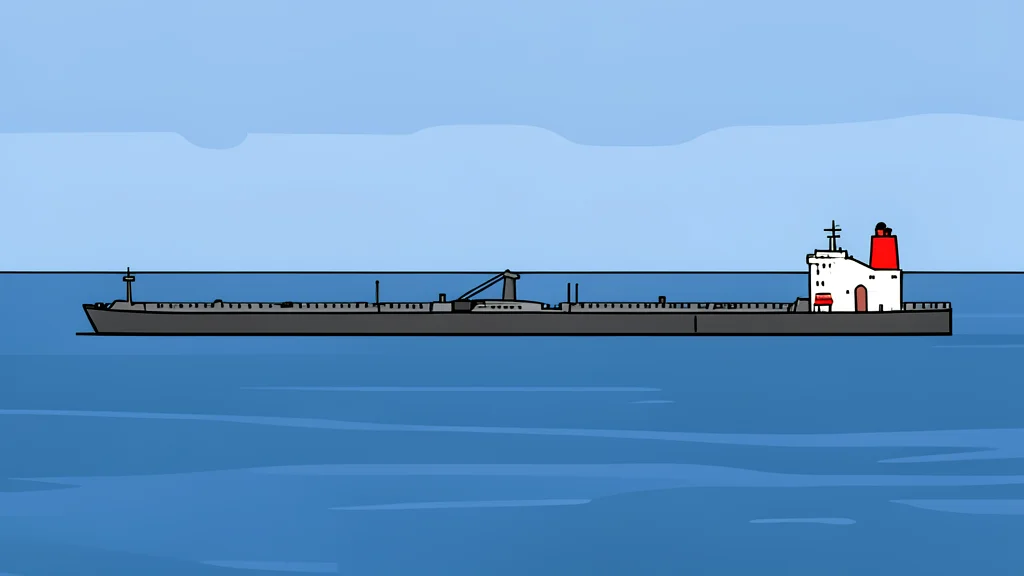
Indian refiners may lower November Russian crude purchases to 20-30% amid new US sanctions that risk 100% tariffs on buyers.
Key points
- Indian refiners may cut Russian crude imports to 20-30 percent due to new US sanctions threatening 100 percent tariffs.
- Russia supplied about 1.9 million barrels per day to India in September, a share that could drop significantly in November.
- Replacing Russian oil is difficult for India due to higher costs of alternative grades and rising domestic demand for energy.
Indian oil refiners are preparing to significantly reduce their purchases of Russian crude for November deliveries, a shift driven by the introduction of a new United States sanctions law. According to reports from Bloomberg, this legislation grants the US administration the authority to impose severe trade penalties, including tariffs of up to 100 percent, on nations that continue to buy Russian energy products.
As the world's third-largest oil importer, India has relied heavily on discounted Russian crude in recent months to mitigate high global prices and supply disruptions. However, the new regulatory environment creates a difficult trade-off for New Delhi, which must balance the immediate benefit of cheaper energy against the long-term risk of punitive US trade measures that could damage its broader export markets.
Import Share Could Drop Sharply
Sources familiar with the matter indicate that the share of Russian crude in India’s total imports could fall to between 20 and 30 percent in the near future. This represents a dramatic decline from recent levels, where Russian oil accounted for more than half of the country's imports. Data from analytics firm Kpler suggests that average shipments in September stood at around 1.9 million barrels per day, a figure that already marked the lowest level since April.
If this reduction materializes, India would likely cease to be the world’s largest seaborne buyer of Russian crude. The shift is not merely a voluntary adjustment but a strategic response to diplomatic pressure, with New Delhi continuing negotiations with Washington while simultaneously scouting for alternative suppliers to secure its energy needs.
Challenges in Replacing Russian Volumes
Replacing Russian volumes poses significant logistical and financial challenges for Indian refiners. The scale of the imports is substantial, and alternative crude sources are generally more expensive. According to Meja, the Ukrainian news outlet, Urals crude cost Indian buyers approximately $133 per barrel last week, while Middle Eastern grades such as Oman and Murban were priced several dollars higher, eroding the cost advantage that previously made Russian oil attractive.
Compounding these difficulties is a rising domestic demand for oil, driven by the launch of a new refinery in Rajasthan and the expansion of existing facilities. Industry estimates suggest that India’s daily imports could reach a record 5.4 million barrels. This surge in demand means that simply cutting off Russian supplies without securing adequate alternatives could create supply gaps, forcing refiners to pay a premium for other crude grades.
Strategic Balancing Act for New Delhi
The new US law, signed by President Donald Trump and introduced by Senator Lindsey Graham, allows for the imposition of tariffs within 30 days of a determination that a country is purchasing Russian energy. Indian authorities are closely monitoring how Washington applies these measures to other major buyers, particularly China, to gauge the consistency and scope of the enforcement. This uncertainty adds a layer of risk to India’s energy strategy.
Despite the pressure, Indian officials maintain that their primary objective remains ensuring affordable energy for a population of approximately 1.4 billion people. The government has already adjusted its purchasing patterns in response to previous diplomatic signals from Washington. The coming weeks will test the limits of India’s ability to pivot its supply chains while maintaining its economic stability and diplomatic relationships.