Lithuania Seeks to Repeal Nuclear Weapons Ban in Constitution
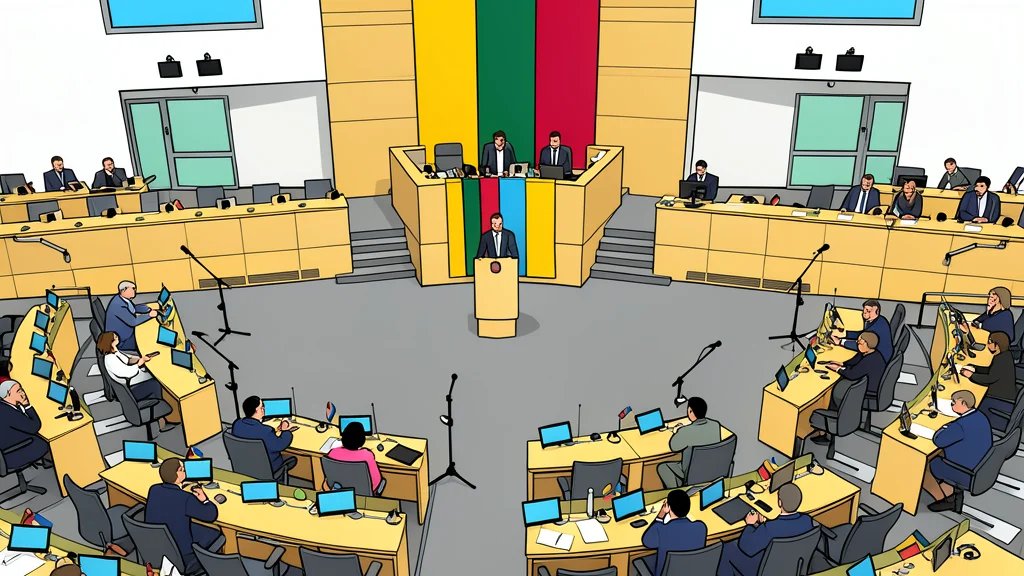
Lithuanian parliament advanced a proposal to remove Article 137, aiming to align the constitution with NATO deterrence strategies.
Key points
- Lithuania's parliament advanced a proposal to repeal Article 137, which currently bans nuclear weapons and foreign bases on its territory.
- The amendment requires two votes with a three-month gap and a qualified majority of 94 MPs to pass.
- Supporters argue the change allows full participation in NATO's collective deterrence, while critics note it does not guarantee immediate deployment.
Lithuania’s parliament has taken a significant step toward redefining its constitutional stance on nuclear armament by advancing a proposal to lift long-standing prohibitions on weapons of mass destruction. The move, reported by ilkha.com, marks a pivotal shift for the Baltic state, which currently maintains an absolute ban on such weapons and foreign military bases within its borders.
On Tuesday, the Seimas referred the constitutional amendment for further consideration, a procedural step following broader agreements among parliamentary parties. While the initiative does not immediately place nuclear weapons on Lithuanian soil, it seeks to remove legal barriers that proponents argue limit the country's ability to participate fully in NATO’s collective deterrence framework.
Constitutional Barrier Removal Process
The proposed change targets Article 137 of the Lithuanian Constitution, which explicitly states that weapons of mass destruction and foreign military bases may not be located on the country’s territory. Supporters of the amendment describe this provision as an outdated constraint that could hinder strategic flexibility. According to the explanatory materials accompanying the proposal, the NATO nuclear shield is considered an essential foundation of alliance deterrence, and the current legal framework could restrict Lithuania’s full participation in these arrangements.
Passing the amendment requires a rigorous legislative process. The Seimas must approve the change in two separate votes, with an interval of at least three months between them. A qualified majority of at least 94 out of 141 members is necessary for approval. The first vote is scheduled for October 6, with the second planned for January 12, meaning the constitutional status quo will remain in effect for several months.
Strategic Context and Security Concerns
This legislative effort unfolds against a backdrop of heightened security tensions in the Baltic region. Lawmakers cited Russia’s nuclear rhetoric, the modernization of its nuclear forces, and increased military infrastructure in neighboring areas, including the Kaliningrad region and Belarus, as primary drivers for reconsidering the restriction. Reuters reported earlier that parliamentary parties had reached a consensus on this plan, describing it as part of a broader reassessment of the country's security policy following the invasion of Ukraine.
Future Implications for NATO Deterrence
It is important to note that removing the constitutional ban does not automatically result in the deployment of nuclear weapons. Rather, it eliminates the legal barrier, leaving future decisions to Lithuania’s political framework and its specific arrangements with NATO allies. Lithuania has been a NATO member since 2004 and already hosts allied forces as part of efforts to reinforce the alliance’s eastern flank. The outcome of the upcoming votes will determine whether the country retains the option to join nuclear deterrence schemes should the security situation require it.