Indonesia Bishop Links Poverty to Trafficking Risks at Migrant Seminar
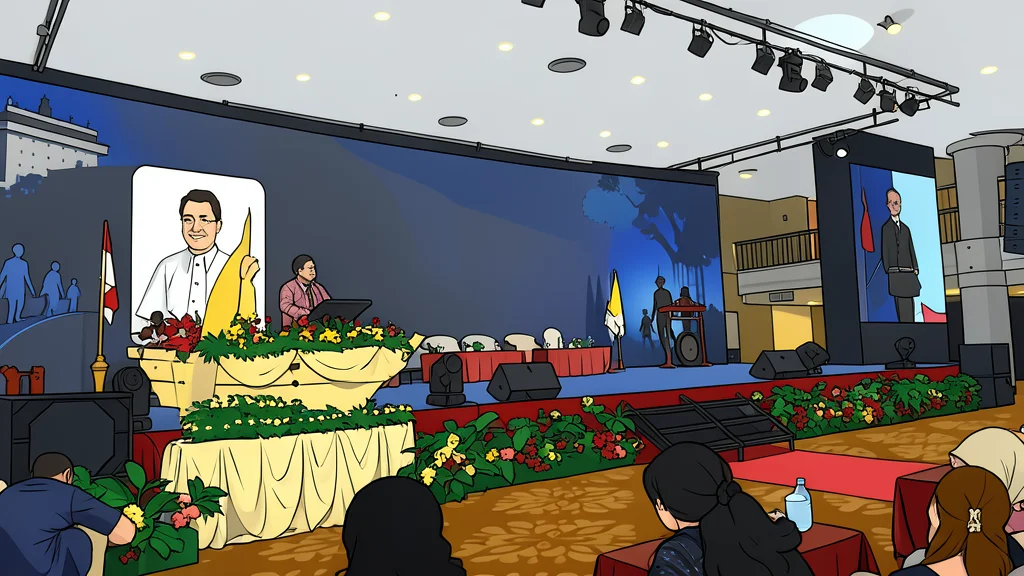
Bishop Sunarko urged the creation of economic opportunities to prevent exploitation, stating that compassion alone is insufficient for migrants.
Key points
- Bishop Sunarko stated that poverty and unemployment make migrants primary targets for human traffickers.
- He urged the creation of economic opportunities to prevent exploitation rather than relying on post-crisis aid.
- The seminar in Batam emphasized the need for dignity and safe migration pathways in the region.
Bishop Adrianus Sunarko, secretary general of the Indonesian Bishops’ Conference, has warned that economic hardship serves as a primary catalyst for human trafficking. Addressing an international seminar on migration in Batam, he argued that poverty and unemployment leave vulnerable populations exposed to exploitation by traffickers.
The remarks were delivered during Mass at the Pacific Palace Hotel on September 20, concluding a two-day event focused on the 2026 World Day of Migrants and Refugees. The seminar, themed 'From Vulnerability to Dignity,' gathered participants to discuss safe migration pathways and the protection of human rights in the region.
Economic hardship as a vulnerability factor
According to the bishop, the lack of stable employment creates conditions where desperate individuals are easily targeted. He referenced the Gospel parable of the workers in the vineyard to illustrate the moral imperative of providing late-arriving laborers with fair opportunities. Without such economic inclusion, he noted, the risk of falling into trafficking networks increases significantly.
Sunarko emphasized that generosity and the willingness to offer work to those who have been excluded from the labor market are central to protecting human dignity. He suggested that addressing the root causes of vulnerability, such as the absence of livelihood options, is more effective than reactive measures taken only after exploitation has occurred.
Redefining volunteerism and community solidarity
The bishop also addressed the role of civil society, specifically volunteers who support migrants. He drew on the Indonesian term 'sukarelawan' to highlight the combination of willingness and joy inherent in service. He urged participants to view volunteering not as a pity-driven act, but as a deliberate choice to remain present for others despite their struggles.
Citing Indonesia’s tradition of cross-religious mutual aid during disasters, Sunarko argued that this spirit of solidarity should extend to migrant communities. He encouraged attendees to recognize migrants as individuals with dignity and potential, rather than solely as subjects of charitable assistance.
Batam as a cross-border hub
The choice of Batam for the seminar reflects its strategic importance as an Indonesian island city near Singapore and Malaysia. As a major center for industry and cross-border movement, the location underscores the regional complexity of migration flows. The event highlighted the need for coordinated efforts to ensure safe and orderly migration in this dynamic area.
The seminar concluded with a call for sustained engagement with vulnerable populations. By creating opportunities and standing with migrants before crises emerge, the community can better protect human rights. The discourse, reported by heraldmalaysia.com, places the economic dimension of migration at the center of the humanitarian conversation.