Japan Seeks Alignment with US Ahead of Trump-Xi Summit
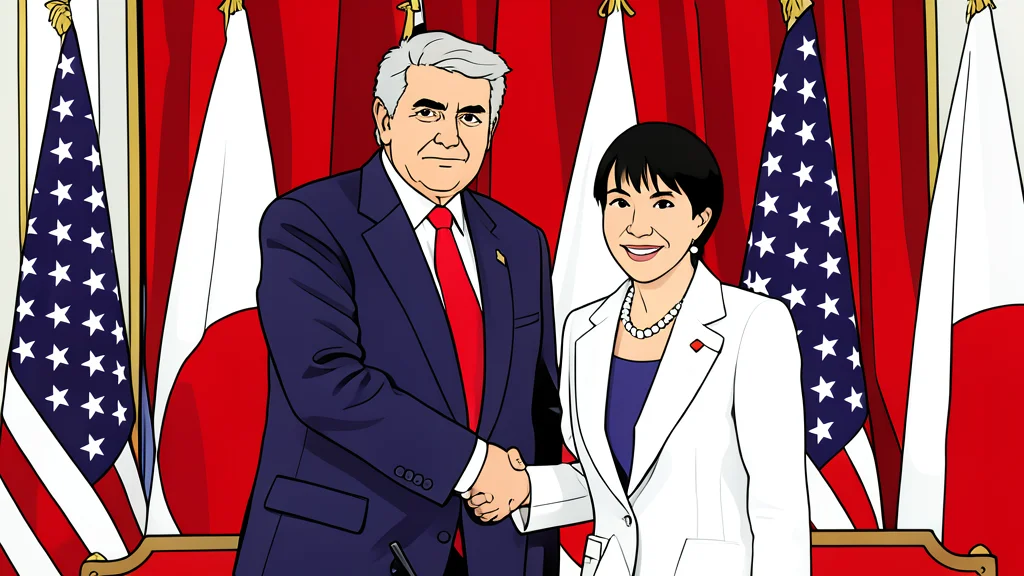
Tokyo is pushing for a meeting with Washington to ensure its security concerns regarding Beijing remain a priority as the US prepares for high-level talks with China.
Japanese Prime Minister Takaichi Sanae is seeking a bilateral meeting with U.S. President Donald Trump during their respective visits to the United Nations General Assembly in New York. The objective is to coordinate positions before the scheduled summit between Trump and Chinese President Xi Jinping in Washington on September 24. According to The Diplomat, Tokyo views this alignment as essential to safeguarding its national interests amid shifting diplomatic currents.
While both leaders are set to address the General Debate on September 22, no formal meeting has been confirmed as of mid-September. The urgency stems from the broad implications of the upcoming U.S.-China talks, which will span multiple policy areas. For Japan, a nation geographically proximate to Beijing and reliant on its alliance with Washington, ensuring that Japanese perspectives are integrated into the U.S. approach is a matter of strategic necessity.
Heightened Tensions in the Indo-Pacific
Japan’s defense white paper highlights a growing pressure in the regional security environment, noting that China is intensifying activities not only near Japan but also extending beyond the first island chain. Specific incidents include increased coast guard patrols around Taiwan and the detection of Chinese and Russian aircraft near the Miyako Strait, which prompted the deployment of Japanese fighter jets in June.
Additionally, Beijing continues to send vessels into waters surrounding the disputed Senkaku Islands, a source of persistent friction. These actions contribute to a frigid state in bilateral Sino-Japanese relations, driven by historical disputes and contemporary security concerns. Tokyo argues that managing this challenge requires consistent support from its principal ally.
Shared Concerns and Diverging Priorities
The United States shares significant concerns with Japan regarding Chinese assertiveness, as evidenced by a joint statement in August criticizing an unannounced submarine-based ballistic missile launch. Washington also continues to engage in multilateral exercises, such as RIMPAC in Hawaii and Balikatan with the Philippines, maintaining a military presence in the Indo-Pacific despite fewer official references to the region compared to previous administrations.
However, differences exist in strategic focus. The Trump administration appears to prioritize the conflict in Iran, which has reportedly depleted U.S. munitions supplies and necessitated the reassignment of the aircraft carrier USS George Washington to the Middle East. This shift in resources may reduce the immediate bandwidth available for Indo-Pacific security commitments, creating a potential gap in attention that Japan seeks to bridge.
Economic Levers and Future Outlook
Washington may also be seeking Chinese cooperation to mitigate economic impacts from the Iran conflict, particularly regarding oil prices affected by the closure of the Strait of Hormuz. While the U.S. maintains interests at odds with China’s, the immediate pressure of other geopolitical crises may influence the tone of the upcoming summit. Japan aims to ensure that long-term competition with China remains a prominent factor in U.S. decision-making.
The coming days will reveal whether Tokyo can secure the desired dialogue with Washington. Observers will watch closely for any signals of coordinated policy or divergence in rhetoric regarding Beijing. The outcome of the Trump-Xi meeting will set the stage for regional dynamics, making Japan’s role in shaping the U.S. approach a critical variable in the broader geopolitical landscape.