Japanese F-2A Fighters Land in India for First Time
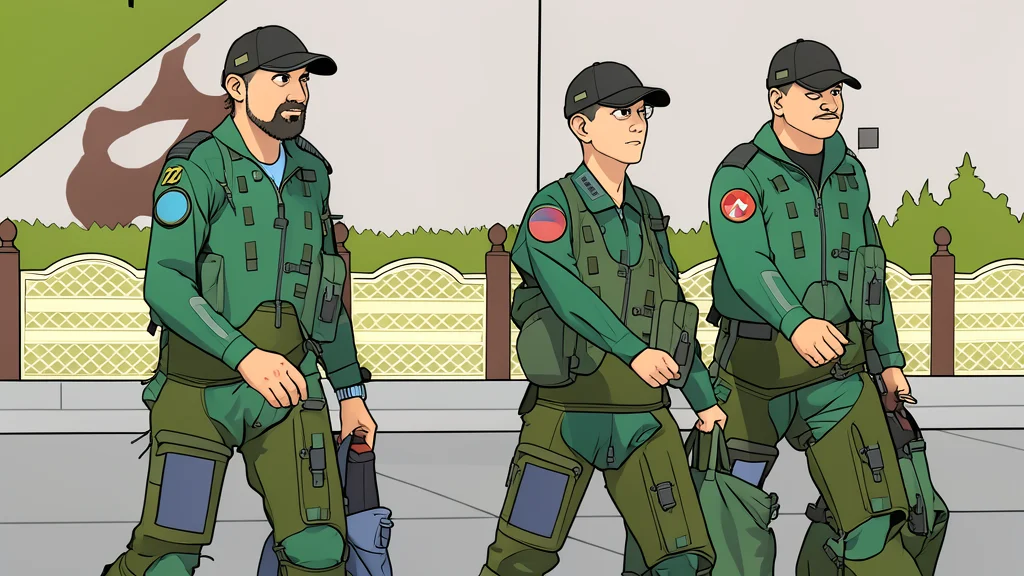
Japanese F-2A jets operate from Indian soil for the first time during the Veer Guardian-2026 exercise, signaling a shift in bilateral defense cooperation.
Key points
- Japanese F-2A fighters are operating from Indian soil for the first time during the Veer Guardian-2026 exercise at Jodhpur.
- IAF Chief A P Singh called the deployment a major milestone, while JASDF Chief Takehiro Morita highlighted it as proof of cross-regional deployment capability.
- The exercise involves joint sorties in Tejas, Su-30MKI, and Rafale jets, alongside discussions on engineering and mission planning.
Japanese fighter aircraft have landed on Indian soil for the first time, a development that Air Chief Marshal A P Singh described as a significant milestone in the two nations' defense relationship. The deployment forms part of the ongoing Veer Guardian-2026 bilateral air exercise, which is currently underway at Air Force Station Jodhpur.
According to reports from newindianexpress.com, the exercise runs from September 9 to 22 and involves frontline assets from both air forces. The Japanese Air Self-Defense Force (JASDF) has deployed F-2A fighters, while the Indian Air Force (IAF) has contributed indigenous Tejas, Su-30MKI, and Rafale aircraft to the joint operations.
Strategic Deployment Beyond Routine Drills
General Takehiro Morita, Chief of Staff of the JASDF, stated that operating from Indian bases marks a step beyond standard training exercises. He noted that this capability demonstrates the practical ability to deploy air assets across the broader Indo-Pacific region, reflecting a deeper level of operational integration.
The two air force chiefs engaged in reciprocal flying sorties during the event. Morita flew a Tejas jet alongside an Indian pilot, while Singh piloted a Tejas solo. The session concluded with a badge exchange, a symbolic gesture of mutual respect and professional partnership between the services.
Focus on Indigenous Aviation Capabilities
During the exercise, the JASDF chief highlighted the Tejas fighter as a symbol of India's technological innovation and the 'Make in India' initiative. He expressed that flying the aircraft provided a valuable experience and a tangible representation of the trust built between the two air services over recent years.
Air Chief Marshal Singh addressed the status of India's indigenous fighter program, noting that while a large number of Tejas aircraft have been ordered, some deliveries have faced delays due to global supply-chain disruptions. He emphasized that the development of the Tejas MK-2 will significantly elevate the nation's defense aviation industry and research capabilities.
Enhancing Operational Cooperation and Trust
Both commanders emphasized that joint training fosters mutual learning and enhances combined operational effectiveness. Singh stated that flying and training together allows both sides to improve their capabilities through shared understanding of operational practices. Morita added that such advanced training strengthens trust and sustains practical cooperation.
The 14-day exercise includes advanced operational missions, professional exchanges, and discussions on mission planning, engineering, and aerospace safety. The next phase of observation will focus on how these joint protocols translate into sustained readiness and interoperability in future regional security scenarios.