Malaysia's King Grants Second Pardon to Ex-PM Najib Razak
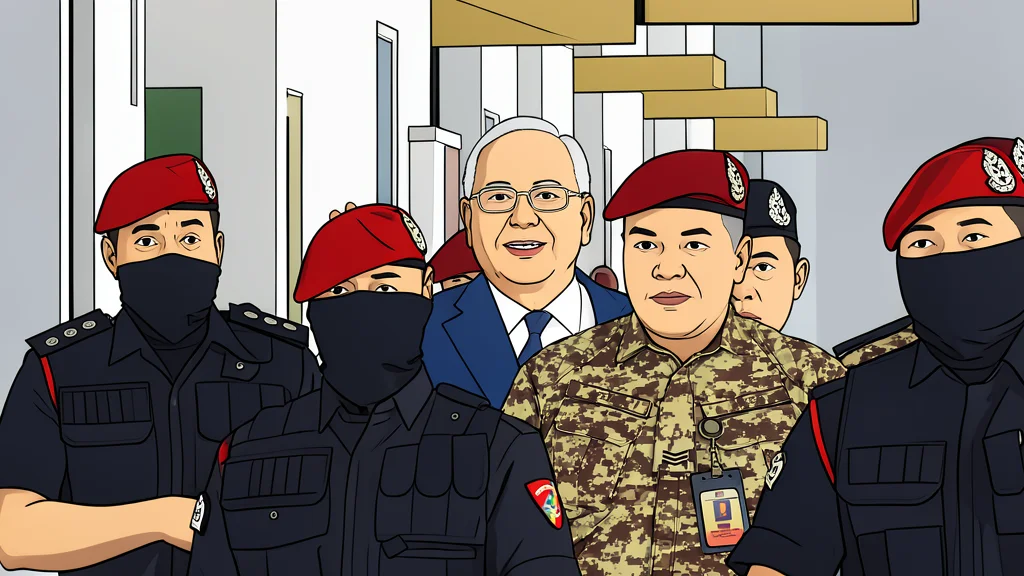
Malaysia's monarch granted a second clemency to former PM Najib Razak, allowing house arrest and sparking political outcry.
Key points
- Malaysia's king granted a second clemency to former PM Najib Razak, allowing him to serve his sentence under house arrest.
- Anthony Loke, leader of the Democratic Action Party, resigned as transport minister in protest against the royal pardon.
- Najib faces fines totaling over $3.3 billion from multiple convictions related to the embezzlement of 1MDB funds.
Malaysia’s king has granted a second clemency to former prime minister Najib Razak, allowing the convicted embezzler to serve his remaining sentence under house arrest. The decision has intensified political friction within the ruling coalition, as reformers who backed the current government for its anti-corruption stance view the move as a betrayal of their core mandate.
According to Foreign Policy, the pardon follows a pattern of judicial leniency that has eroded the severity of Najib’s previous convictions. Critics argue that the leniency contradicts the king’s earlier declaration that no one is above the law, further complicating the administration’s effort to present a clean break from the era of widespread graft associated with the 1MDB scandal.
Coalition Tensions Over Royal Decision
The move has provoked immediate backlash from key figures in the government. Anthony Loke, leader of the Democratic Action Party and the largest component of the ruling coalition, resigned as transport minister in protest. His departure underscores the deepening rift between the reformist wing of the government and the United Malay National Organisation, which remains a crucial partner in the coalition.
Prime Minister Anwar Ibrahim has disavowed personal responsibility, noting that the power to grant pardons rests with the board and ultimately the monarch. However, critics allege that political pressures from Najib’s loyal base, who still wield significant influence within the United Party, may have swayed the decision. The situation highlights the delicate balance of power that the current government must maintain to preserve its majority.
Scale of Financial Misappropriation
Najib’s legal troubles stem from the misappropriation of funds from 1Malaysia Development Berhad, a state investment fund. Court records and police seizures have revealed a staggering scale of wealth, including $681 million in personal bank accounts and goods valued at $273 million seized from his properties. These assets, which reportedly included cash, jewelry, and designer items, formed the basis for multiple criminal and civil convictions.
His judicial history includes a 12-year prison sentence in 2020 and a 15-year sentence in 2025, accompanied by fines totaling over $3.3 billion. Despite these severe penalties, the sentences have been repeatedly reduced through pardons and legal maneuvers. In March 2026, he was also found liable in a civil case for $1.3 billion in losses, adding another layer of financial obligation to his already complex legal status.
Uncertain Future and Ongoing Litigation
The second pardon grants Najib the right to serve his sentence under house arrest, a condition that was previously subject to endless litigation. His supporters are currently rallying to raise funds for the outstanding fines from his first conviction, with his wife suggesting that donations from foreign friends may help cover the costs. This financial maneuvering continues to fuel speculation about the sources of his wealth and the extent of his external connections.
Despite the clemency, Najib’s freedom is not absolute. He could face a return to prison if he fails to meet the conditions of his release or if new legal challenges arise. The situation remains fluid, with the potential for further legal and political developments that could test the stability of Malaysia’s current government and its commitment to reform.