Australia Links Immigration Policy to Housing Crisis

Australian Home Affairs Minister Tony Burke has officially acknowledged the connection between migration levels and housing affordability, marking a significant shift in the country's political consensus.
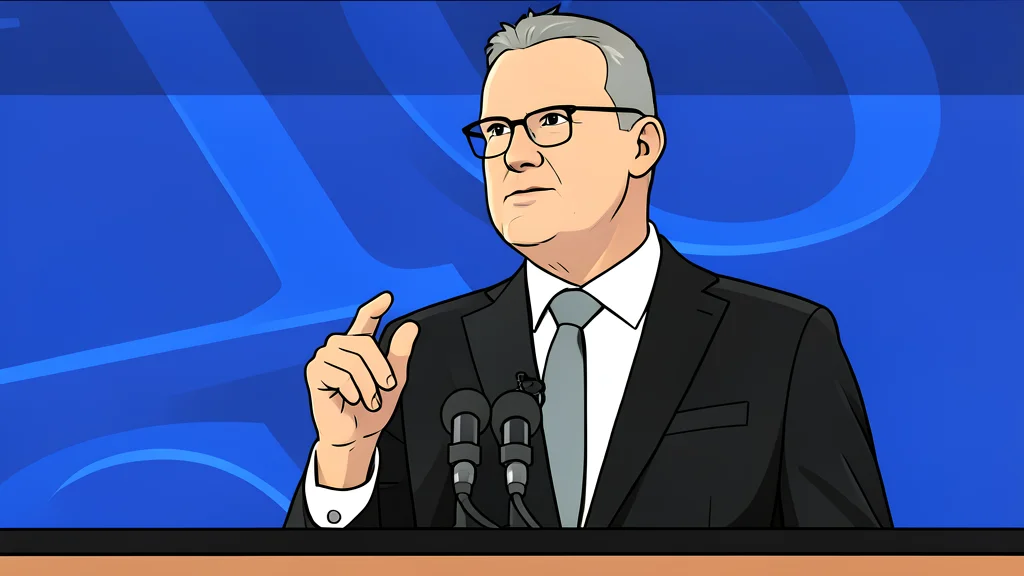
The political landscape in Australia has shifted as the Labor government moved to address the long-standing tension between migration policy and housing affordability. Home Affairs Minister Tony Burke stated at the National Press Club that immigration must be part of the solution to the housing shortage, aiming to provide space for supply to catch up. This statement marks a departure from previous political rhetoric that largely attributed the housing crisis solely to a lack of supply.
According to GN geopolitics/migration (en-US), Burke’s comments challenge a bipartisan consensus that has persisted since the early 2000s. He noted that the assumption that infrastructure and housing would naturally adjust to meet demand from employment and education has no longer held true for many Australians. The minister emphasized that while immigration is not the sole cause of the housing shortage, it requires careful management to alleviate pressure on the market.
Reassessing Two Decades of Policy Assumptions
Burke described the previous approach as a miscalculation, arguing that the demand-driven migration program operated on the premise that market forces would resolve housing constraints. He stated that this view is no longer reflective of the current experience of the population. The minister highlighted that maintaining public confidence in the migration program has become increasingly difficult, creating a political void that has been exploited by populist figures.
The government aims to neutralize the political issue that has driven some voters toward nationalist parties. Labor believes that by acknowledging the link between migration and housing, it can recover support among voters who feel the previous policy framework was insufficient. The party seeks to demonstrate that it is responsive to public concerns regarding service delivery and infrastructure pressure.
Political Dynamics and Opposition Responses
Opposition figures have previously linked high migration levels to elevated rents and property prices, a stance that was criticized within their own party during recent elections. However, the terminology of "mass migration" has increasingly been used by mainstream politicians on the right. The Labor government hopes to define the terms of the debate to prevent the issue from being co-opted by more extreme voices, while also addressing legitimate concerns about population growth rates.
Critics on the right argue that the government's measures are insufficient and overly focused on temporary visa holders. Meanwhile, experts have suggested that Australia’s recent population growth from immigration has been higher than in many peer democracies. The debate is expected to intensify as economic indicators, such as interest rates, continue to impact housing affordability and public sentiment.
Forward Questions on Policy Adjustment
The next phase of the debate will likely focus on specific mechanisms for balancing migration inflows with housing supply. Observers will watch how the government implements changes to visa categories and whether these measures effectively address the underlying economic pressures. The political stakes remain high as parties seek to position themselves on issues of national identity and economic management.
With upcoming elections and continued economic uncertainty, the link between migration and housing is set to remain a central theme in Australian politics. The outcome of this policy shift will be measured by its impact on public trust and the ability of the housing market to stabilize. The government faces the challenge of delivering tangible results while navigating a polarized political environment.