UN Mission Reports Grounds for War Crimes Findings in Iran
A new report by the Independent International Fact-Finding Mission on Iran presents findings regarding two military strikes and the government's response to domestic unrest.
The United Nations fact-finding mission on Iran has concluded that there are reasonable grounds to believe the United States committed war crimes during recent military operations. The report, prepared for submission to the UN Human Rights Council in Geneva, focuses on two specific incidents from February involving strikes on a primary school and a sports facility. According to the mission, these attacks resulted in significant civilian casualties and damage to infrastructure that did not serve military purposes.
In addition to assessing the conduct of US forces, the mission also examined the Iranian government's response to nationwide protests that began in late December. The experts found that authorities carried out a widespread and systematic attack against civilians, which constitutes crimes against humanity. The report details allegations of unlawful killings, torture, and arbitrary detention, marking a significant escalation in the suppression of dissent compared to previous patterns.
Findings on Civilian Infrastructure Strikes
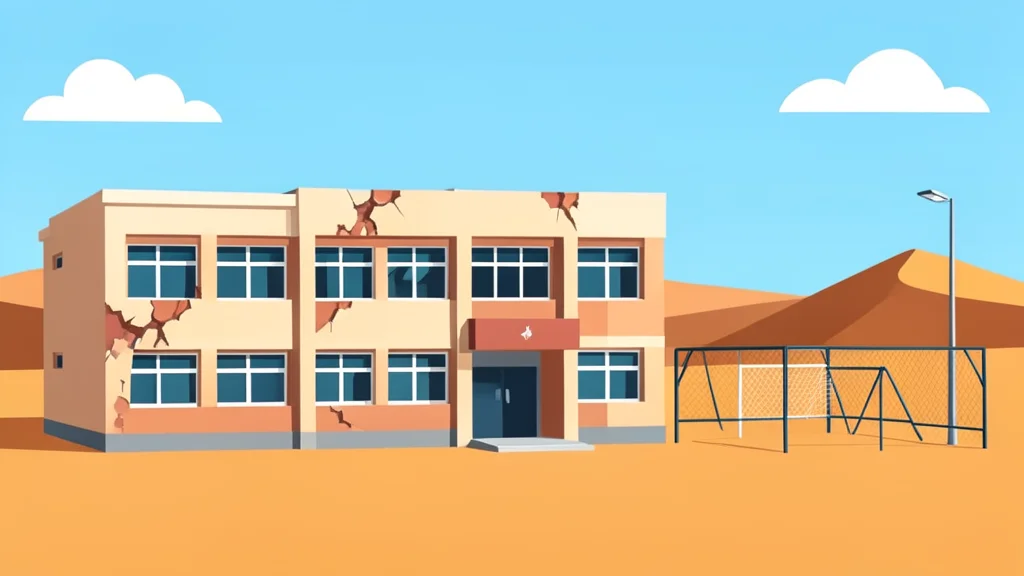
The mission identified two key incidents that it classifies as war crimes under international law. The first involved a strike on the Shajareh Tayyebeh Primary School in Minab, where Iranian officials report that more than 150 people were killed, including approximately 120 schoolchildren. The UN experts stated that the building was clearly identifiable as a civilian object and that there was no evidence it was being used for military purposes at the time of the attack.
According to the report, US forces relied on intelligence suggesting a senior Iranian military commander was present but failed to adequately verify this information before launching the strike. The mission concluded that this failure amounted to recklessness rather than mere negligence, as the US directed the strike while aware of the substantial risk of hitting a civilian object. A similar conclusion was reached regarding a strike on a sports center in Lamerd, which killed and injured 22 civilians and damaged nearby residential buildings.
Government Response to Domestic Unrest
The probe also addressed the Iranian authorities' handling of anti-government protests that erupted in late December last year. The mission found that the government engaged in a widespread and systematic campaign against civilians, involving unlawful killings, torture, and enforced disappearances. Rights groups have described this as the most severe crackdown since the 1979 revolution, with bystanders among those killed during the demonstrations.
While the probe could not independently verify the exact death toll, the experts believe the number of dead and injured is likely far higher than official figures. The government reported 3,038 people killed and 25,000 injured, but the UN mission noted that the response included severe restrictions on freedom of expression, internet shutdowns, and the use of the death penalty. Tehran has consistently rejected allegations of systematic rights violations, blaming the unrest on terrorists and rioters supported by foreign adversaries.
Official Reactions and Ongoing Investigations
US officials have previously stated that military operations are conducted in accordance with the law of armed conflict. President Donald Trump said in June that no one purposefully attacked the school in Minab, citing an internal investigation. However, Reuters first reported that an initial internal military investigation suggested US forces were likely responsible for the fatal strike. The Pentagon has since elevated the probe but has not published any preliminary findings to date.
Both the Iranian and US permanent missions in Geneva did not immediately respond to requests for comment regarding the new report. The findings are set to be presented to the UN Human Rights Council, where they are expected to draw significant attention. The report serves as a formal assessment by independent experts, adding a layer of international scrutiny to the events of the past few months.
According to GN geopolitics/rights (en-US), the situation remains tense as both nations continue to assert their positions. The lack of immediate response from either side suggests a cautious approach to diplomatic engagement. The coming weeks will be critical as the UN Human Rights Council reviews the documentation. Observers will be watching for any formal rebuttals from Washington or Tehran, as well as potential changes in diplomatic posture. The outcome of these proceedings could influence future international legal frameworks regarding military targeting and domestic protest suppression.