Security Forces Conclude Standoff in Kohat Police Complex
Pakistani authorities reported the end of a twenty-hour engagement with militants in Khyber Pakhtunkhwa, following a coordinated assault that left significant casualties among law enforcement personnel and civilians.
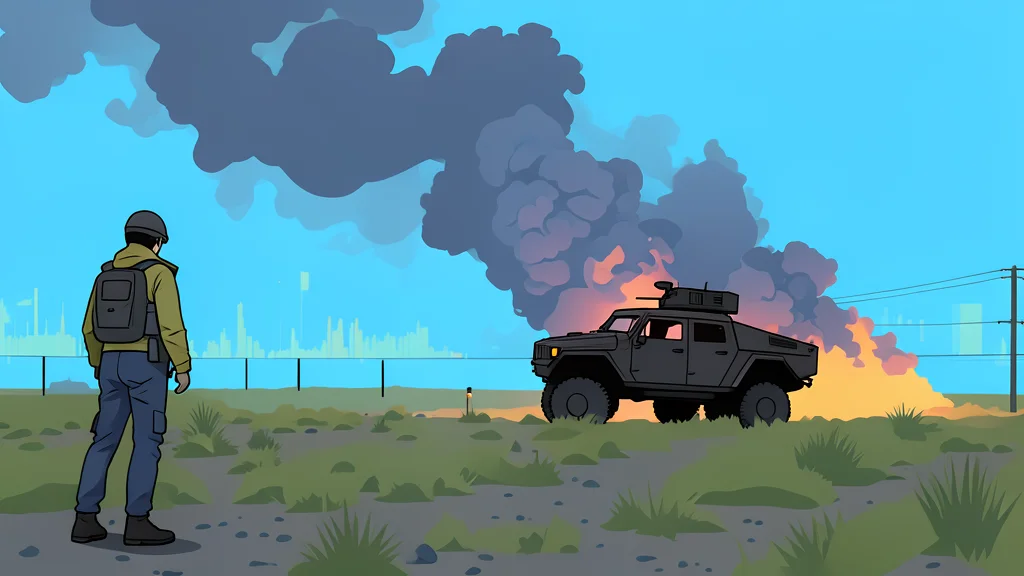
Pakistani security forces declared the end of a twenty-hour standoff with armed militants in the northwest, officials said on Saturday. The confrontation followed a coordinated attack in Kohat, Khyber Pakhtunkhwa province, where a suicide vehicle-borne IED struck a mosque and gunmen subsequently entered a fortified police compound. According to local authorities, the initial assault resulted in the deaths of 21 people and left 103 others injured, with many of the victims being police officers and civilians attending prayers.
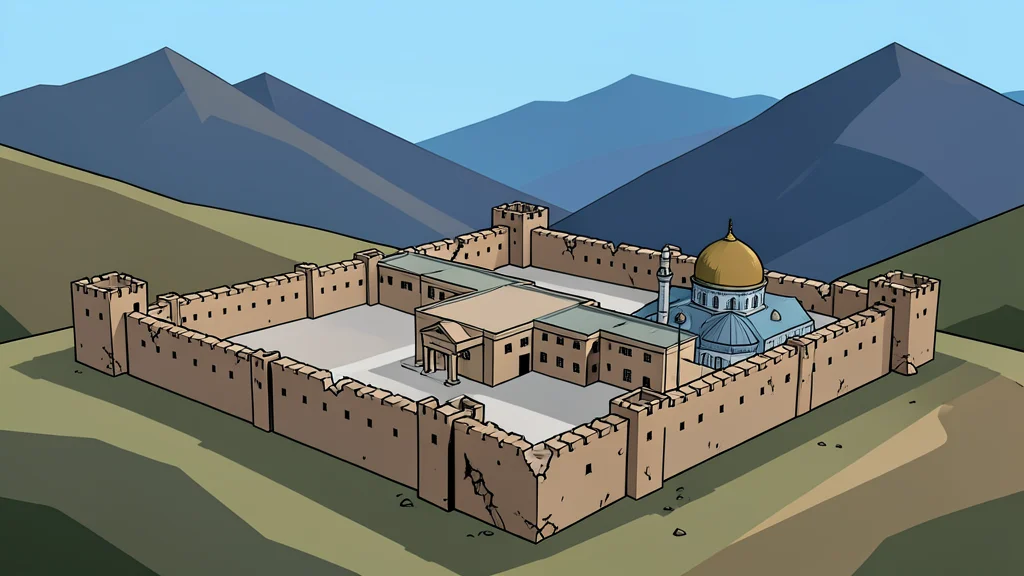
The incident occurred in a complex that houses the Special Branch intelligence agency and the Counter Terrorism Department. After the initial explosion and gunfire, several militants took defensive positions within the facility, leading to a prolonged exchange of fire. Police official Mohammad Sadiq stated that security forces recovered the bodies of eight attackers after the operation concluded. While Sadiq noted that police had killed six assailants, it remained unclear whether additional explosions caused further casualties or how many militants remained inside during the final stages of the engagement.
Strategic implications of the assault
Although no group immediately claimed responsibility for the violence, analysts suggest the profile of the attack aligns with the tactics of the Tehrik-e-Taliban Pakistan. The organization, which is distinct from but allied with the Taliban government in Afghanistan, has intensified its campaign against Pakistani security forces in recent years. Pakistan has frequently accused Kabul of sheltering militants and permitting cross-border operations, allegations that the Afghan government has consistently denied.
Government response and regional context
President Asif Ali Zardari and Prime Minister Shehbaz Sharif issued separate statements condemning the attack and expressing condolences to the families of the victims. Zardari emphasized that the elimination of militant groups is essential for national security. The event echoes a previous tragedy in 2023, when a suicide bomber killed over 100 people at a mosque in Peshawar, highlighting the persistent threat to law enforcement infrastructure in the region.
Assessing the security landscape
As reported by GN auto geopolitics/terrorism: counter terrorism, the incident underscores the continued vulnerability of police facilities in border provinces. Security forces are currently combing the area for remaining threats, while forensic teams examine the damage to the compound. The focus now shifts to determining the specific cell responsible for the coordination of the vehicle bomb and the subsequent infiltration.
Observers will monitor whether this incident triggers a broader security crackdown or further diplomatic friction between Islamabad and Kabul. The ability of militant groups to execute complex, multi-stage attacks on fortified sites remains a critical indicator of the evolving nature of the insurgency in the region.