Chinese Vessel Rams Philippine Ship in West Philippine Sea

A new collision between Chinese and Philippine vessels at Scarborough Shoal has heightened tensions in the West Philippine Sea, raising questions about maritime stability.
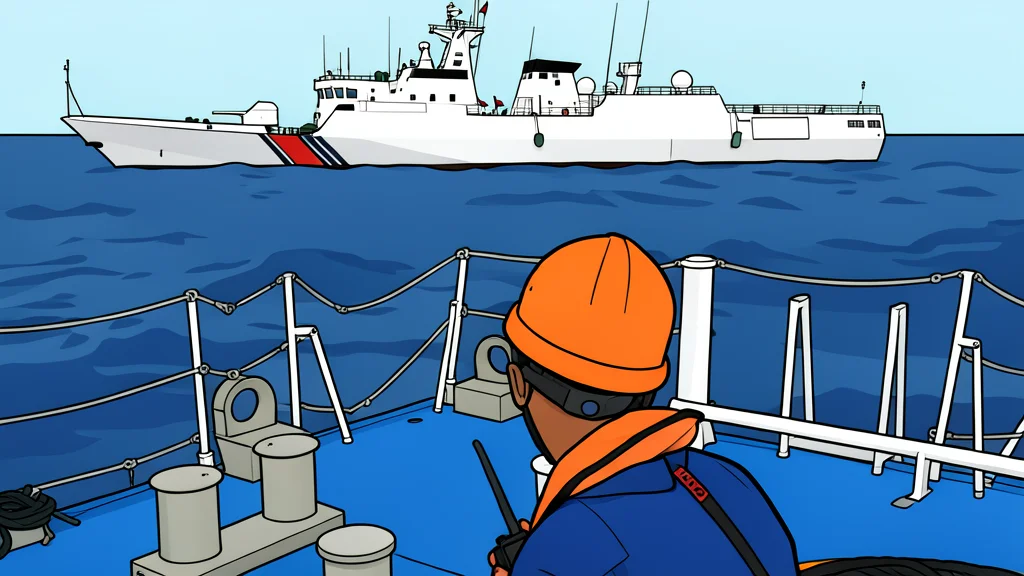
Tensions in the West Philippine Sea escalated on September 18 when a Chinese Coast Guard vessel reportedly rammed a Philippine government ship operating near Scarborough Shoal. According to reports from SunStar Publishing Inc., the incident involved China Coast Guard vessel 21585 and BRP Datu Magat, which was on a mission to deliver fuel subsidies to local fishermen.
Philippine Coast Guard spokesperson Rear Admiral Jay Tarriela stated that the collision occurred around 11:04 a.m. local time. He described the event as a deliberate act that endangered the lives of the Filipino crew, emphasizing that the Philippine vessel was engaged in a humanitarian and livelihood mission rather than a military patrol. The incident marks a significant escalation in recent maritime friction between the two nations.
Details of the collision incident
According to the Philippine Coast Guard, the Chinese vessel cut across the stern of the Philippine ship at a distance of approximately 10 meters before the impact. Following the collision, the Chinese vessel executed another maneuver, passing within five meters of the stern of the BRP Datu Mag. Tarriela noted that the extent of the damage included bent and detached railings, deformed support structures, and displaced deck equipment.
The Philippine Coast Guard Commandant, Admiral Ronnie Gil Gavan, immediately ordered surface and air assets to the location to assist the crew and ensure their safety. The rapid response underscores the operational readiness of Philippine forces in the region, even as diplomatic channels remain tense. The physical damage reported suggests a forceful interaction, though the official narrative remains focused on the violation of international norms.
Diplomatic and legal implications
Manila has accused Beijing of violating international law, specifically citing the United Nations Convention on the Law of the Sea. Rear Admiral Tarriela asserted that the waters in question belong to the Filipino people and that the actions taken by Chinese authorities do not alter this fact. The Philippines maintains that its vessels are operating within its exclusive economic zone, a claim that Beijing disputes based on its own territorial assertions in the South China Sea.
This incident is part of a broader pattern of confrontations in the region, where both sides have been accused of aggressive maritime behavior. The Philippine government continues to emphasize its commitment to supporting the missions of the Bureau of Fisheries and Aquatic Resources, aiming to ensure that fishermen can safely exercise their rights. The diplomatic fallout may lead to further protests and potential shifts in regional security postures.
Regional stability and future outlook
The recent collision raises concerns about the fragility of maritime peace in the West Philippine Sea. Analysts suggest that such incidents could complicate ongoing diplomatic engagements and potentially influence the behavior of other regional actors. The safety of civilian vessels and the rule of law remain central issues as both nations navigate their competing claims.
Moving forward, observers will watch for any official responses from Beijing and further actions by Manila in the disputed waters. The frequency and nature of these encounters will be critical in determining whether the situation escalates toward broader conflict or remains contained through diplomatic and naval de-escalation measures. The international community continues to monitor the developments closely, given the strategic importance of the region.