Pakistani Forces End Standoff After Deadly Mosque Attack

Security forces in Khyber Pakhtunkhwa concluded a twenty-hour operation after a coordinated assault on a police compound and mosque killed 21 people. Officials have linked the incident to militant groups operating from across the border, raising tensions with Afghanistan.
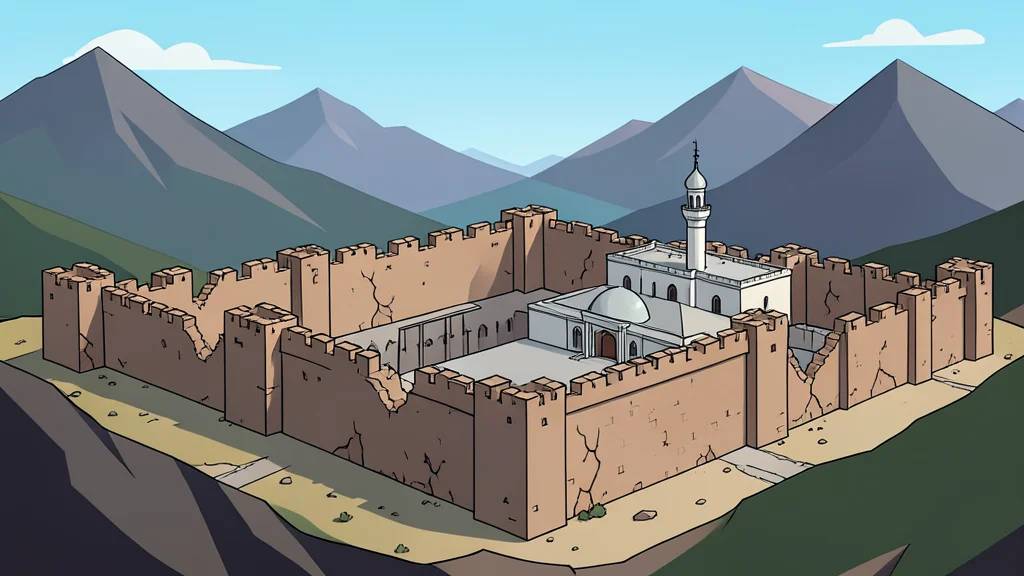
Pakistani security forces ended a twenty-hour standoff with militants in the northwest on Saturday, officials announced. The confrontation followed a coordinated attack on a police compound in Kohat, Khyber Pakhtunkhwa province, that left 21 people dead and more than 100 others wounded. The assault involved a suicide bombing that damaged a nearby mosque and allowed gunmen to storm the facility, which houses intelligence units and counter-terrorism offices.
According to local police officials, the operation concluded after eight attackers were killed and their bodies recovered from the complex. Residents reported hearing bursts of gunfire late into the night as additional security personnel arrived at the scene. While the immediate threat was neutralized, authorities stated that search operations were ongoing in the surrounding areas to ensure no further threats remained. The attack has intensified scrutiny on the region’s security posture, particularly given the proximity to the Afghan border.
Diplomatic Tensions Rise Over Alleged Support
Pakistan’s Information Ministry has blamed the attack on militants with alleged roots in Afghanistan, accusing the Taliban government in Kabul of sheltering groups that launch cross-border strikes. The ministry stated in a public statement that Islamabad possesses the will and capability to eliminate terrorist threats wherever they are located. It emphasized that Kabul must take credible and verifiable measures to dismantle militant sanctuaries and recruitment networks, suggesting that diplomatic pressure may increase in the coming weeks.
While Afghanistan’s foreign ministry has denounced the violence, Pakistani officials argue that such condemnations must be followed by concrete action. The dispute highlights the persistent friction between the two neighbors, with Pakistan frequently accusing Kabul of allowing the Tehrik-e-Taliban Pakistan to operate from Afghan soil. This latest incident is likely to complicate ongoing diplomatic discussions and could lead to further unilateral actions by Islamabad to secure its western border.
Militant Group Suspected in Coordinated Assault
No group has immediately claimed responsibility for the Kohat attack, but analysts suspect the involvement of the Tehrik-e-Taliban Pakistan, which has intensified operations against security forces in recent years. The TTP is distinct from the Afghan Taliban but maintains close ties with the group that returned to power in 2021. The targeting of a police intelligence hub and a place of worship suggests a strategy aimed at both degrading security capabilities and maximizing civilian casualties to destabilize the region.
President Asif Ali Zardari and Prime Minister Shehbaz Sharif both condemned the attack, expressing sorrow over the loss of life and vowing to eliminate militant threats to national security. The incident underscores the continued vulnerability of security infrastructure in border provinces, despite years of counter-terrorism operations. The resilience of these groups, according to security experts, is linked to their ability to regroup in safe havens beyond Pakistan’s reach.
Forward Focus On Regional Security Dynamics
According to the GN auto geopolitics/terrorism: counter terrorism desk, the next phase will likely involve a reassessment of border security protocols and potential shifts in diplomatic engagement with Kabul. Observers are watching for any signs of cross-border military action or intensified airstrikes in the region. The outcome of the ongoing investigation into the attack's logistics and support networks will be critical in determining the scope of Pakistan's response.
The stability of Khyber Pakhtunkhwa remains a focal point for regional security concerns, as the attack demonstrates the continued capacity of militant groups to execute complex operations. Stakeholders are monitoring the political fallout in Islamabad and the reaction from Kabul, as these developments will shape the trajectory of the conflict in the coming months. The situation remains fluid, with the potential for further escalation if security breaches are not effectively addressed.