Seoul and Central Asia Forge New Strategic Ties
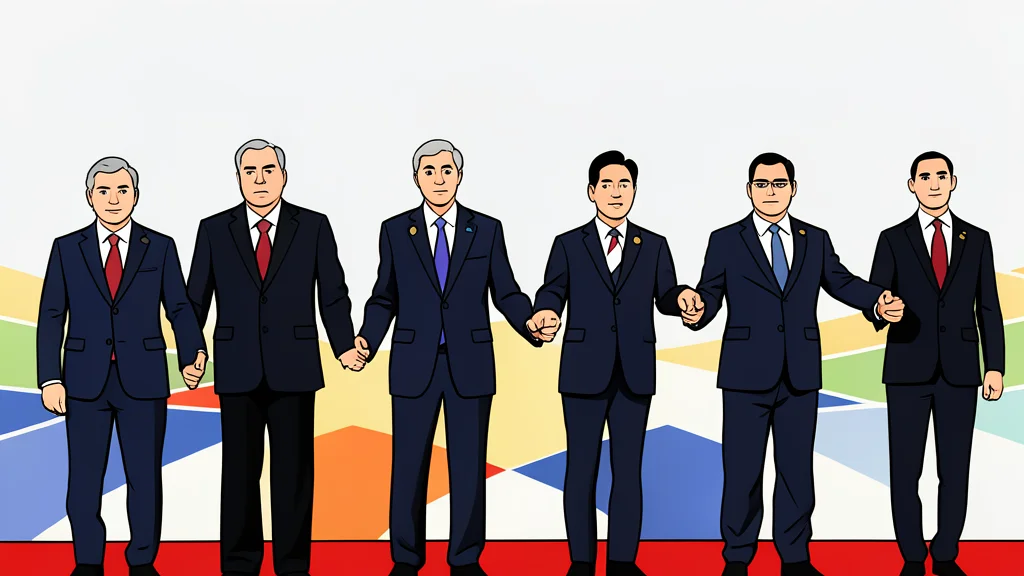
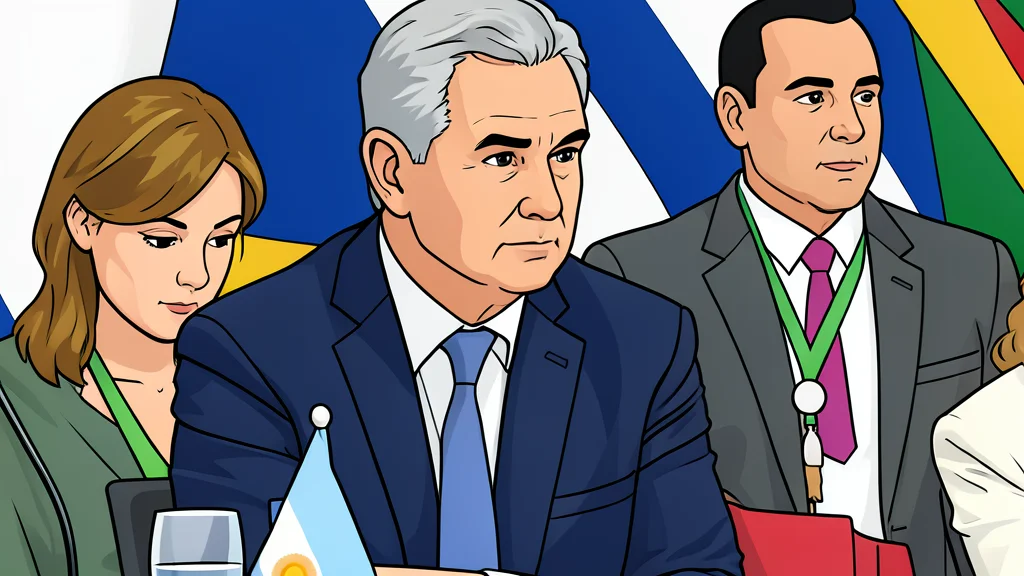
South Korean President Lee Jae-myung convened leaders from five Central Asian states in Seoul to discuss critical minerals, energy security, and a renewed vision for Eurasian trade routes.
In a significant diplomatic development, South Korea and the five Central Asian nations held their first leader-level summit in Seoul. The gathering marked a historic upgrade in relations, moving from vice-ministerial meetings in 2007 to ministerial exchanges in 2019, and now to a presidential forum. President Lee Jae-myung framed the meeting as an opportunity to reconnect with a historical trade network, describing the potential for a modernized partnership that leverages the region's strategic geography and resource wealth.
The summit utilized the C5+1 format, a mechanism that has become increasingly popular for external powers seeking engagement with the region. While South Korea often operates in the background of major geopolitical narratives dominated by Russia, China, and the United States, this event signals a deliberate effort to deepen ties. Leaders from Kazakhstan, Kyrgyzstan, Tajikistan, Turkmenistan, and Uzbekistan joined Seoul to discuss mutual benefits, focusing on climbing the value chain together through shared wisdom and joint initiatives.
Economic Partnerships and Industrial Goals
According to The Diplomat, trade volumes between South Korea and Central Asia remain asymmetric, often favoring Seoul despite the region's importance. Data from the Observatory of Economic Complexity highlights this disparity; for instance, exports to Tajikistan in July 2026 were valued at $31.6 million, primarily vehicles, with negligible imports in return. However, relations with Kazakhstan and Uzbekistan show more balanced flows, with significant Korean exports of automobiles and beauty products offset by imports of petroleum, coal, and ferroalloys.
Kazakh President Kassym-Jomart Tokayev emphasized the depth of existing cooperation, noting that over 1,000 joint ventures with Korean capital operate within Kazakhstan. He cited major corporations like Hyundai, Samsung, and Posco as long-standing partners. Tokayev proposed a formal industrial and technological development partnership, aiming to localize production, transfer technology, and export finished goods to third-country markets. Uzbekistan’s President Shavkat Mirziyoyev echoed these sentiments, suggesting the creation of a joint industrial park to further integrate the economies.
Energy Security and Mineral Resources
Critical minerals and energy security dominated the agenda, reflecting global shifts in supply chain strategies. While specific conditions for energy trade are not yet ideal, both sides expressed strong ambitions to expand cooperation. The focus on these sectors underscores a strategic pivot toward securing stable access to resources essential for emerging technologies. The leaders discussed how to structure these exchanges to ensure mutual benefit, moving beyond simple raw material extraction to a more integrated economic framework.
Forward Looking Strategic Dynamics
The summit sets a course for deeper integration, positioning South Korea as a key player in the Eurasian corridor. As the region becomes a focal point for global trade and technology, the success of these new partnerships will depend on the implementation of proposed joint projects and the ability to balance economic interests with broader geopolitical stability. Observers will watch closely for the next steps in this evolving relationship.