US Congress Advances Broad Russia Sanctions Package
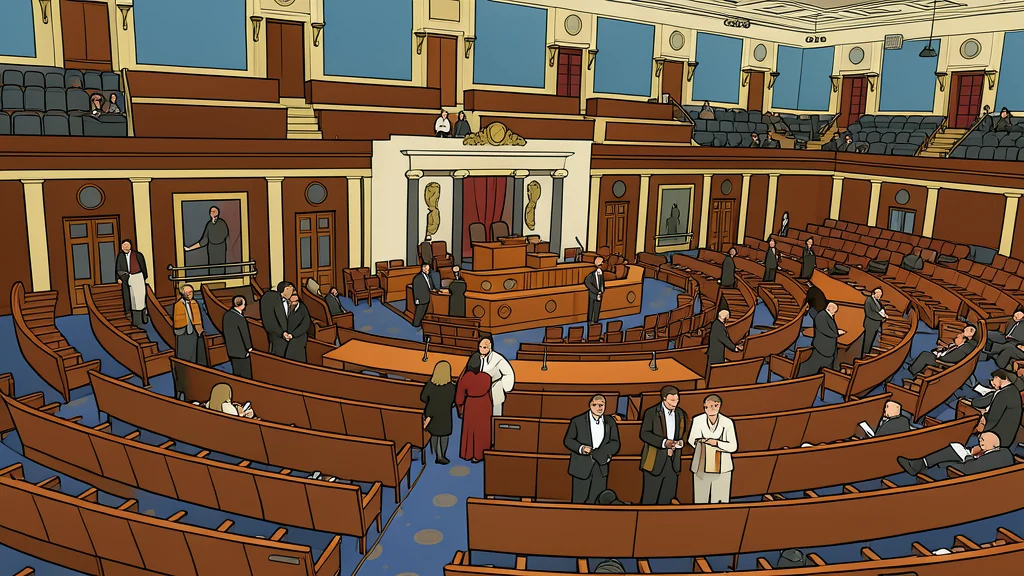
The Republican-led House has approved a comprehensive sanctions bill targeting Moscow's energy and defense sectors, marking a significant legislative shift in US foreign policy.
The United States House of Representatives voted on Wednesday to pass a sweeping package of new sanctions against Russia, marking the most substantial legislative effort against Moscow during President Donald Trump’s second term. The bill, which passed by a vote of 262 to 159, follows a similar approval in the Senate last month where it received an 86-11 majority. According to reports, the legislation is now awaiting the president's signature to become law, with Trump having publicly stated his intention to sign it.
As detailed by Deutsche Welle, the measure represents a notable departure from previous administrations' reliance on executive orders, embedding restrictive measures directly into statutory law. While the bill was drafted by late Senator Lindsey Graham in early 2025, it faced delays due to the current administration's preference for retaining unilateral control over tariff and sanctions policy. The final vote signals a bipartisan consensus in Congress to maintain pressure on Russia despite the executive branch's initial hesitation.
Targeting Energy and Defense
The core of the legislation focuses on crippling Russia's economic resilience by targeting its energy and defense sectors. Specifically, the bill aims to disrupt the so-called shadow fleet of aging tankers that Moscow uses to circumvent existing international restrictions on oil exports. Beyond infrastructure, the package includes direct sanctions against President Vladimir Putin and other senior officials, seeking to isolate the leadership from global financial systems.
Secondary Sanctions and Global Trade
A more controversial element of the bill authorizes the imposition of secondary sanctions on third countries that continue to rely on Russian oil and gas. This mechanism, which operates through the threat of tariffs, is expected to primarily impact major importers such as China and India. By linking trade policy to geopolitical alignment, the legislation seeks to reduce global demand for Russian energy, though it risks complicating diplomatic relations with key trading partners.
Additionally, the package extends existing sanctions regimes to include Iran, reflecting a broader strategy to constrain state actors supporting Russian military efforts. The inclusion of these measures indicates that Congress views the conflict in Ukraine as part of a wider network of state-sponsored aggression that requires coordinated economic responses.
Legislative Momentum and Future Outlook
The passage of this bill underscores a growing desire within Congress to codify sanctions policy, reducing the ability of any single administration to reverse or weaken restrictions on Russia. With the president expected to sign the bill, the focus now shifts to implementation and the potential diplomatic repercussions for countries caught between adhering to US trade rules and maintaining energy security. Observers will watch closely how the administration navigates the new statutory framework, particularly regarding the application of tariffs to allied and rival nations alike.