Sweden's Center-Left Bloc Edges Ahead in Tight Election
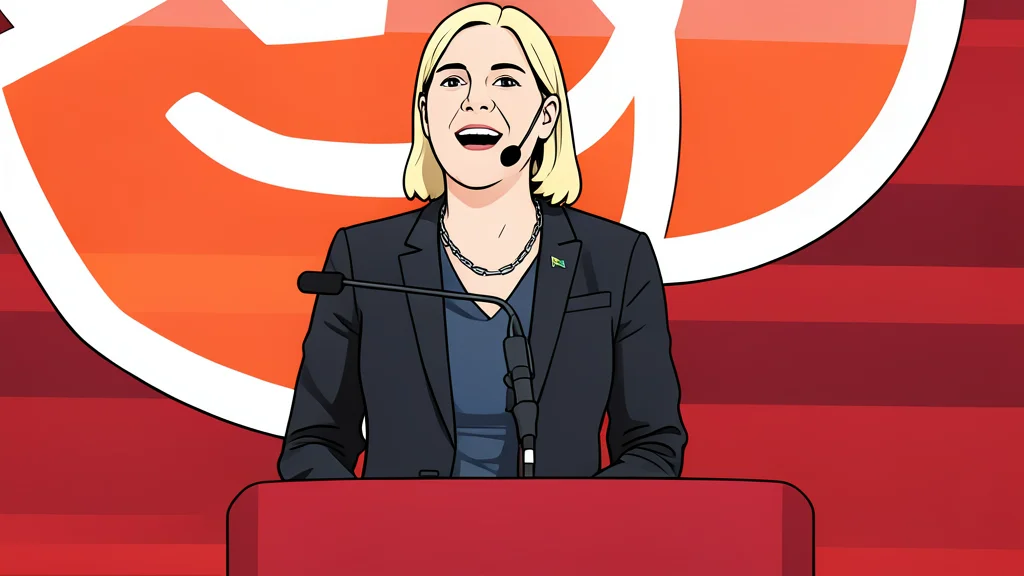
Swedish public broadcaster SVT reports that the center-left opposition holds a narrow lead over the current government's bloc as vote counting nears completion.
Sweden's center-left opposition bloc appears poised to win the most seats in the country's parliamentary election, according to reports from public broadcaster SVT. With 99% of the votes counted, the margin of victory is exceptionally slim, leaving little room for error in the final tally.
The lead, reported at just over 26,000 votes, suggests a potential change in government from the current right-wing administration. However, analysts note that such a narrow result often leads to prolonged and complex coalition negotiations, a pattern familiar to Swedish politics.
Narrow Margin Shapes Outcome
According to SVT, the center-left bloc is projected to secure 175 seats, slightly ahead of the 174 seats expected for the bloc led by Prime Minister Ulf Kristersson. Magdalena Andersson of the Social Democrats leads the opposition group, which includes the Green Party, the Left Party, and the Center Party.
Both Andersson and Kristersson have indicated they are open to exploring coalition options, acknowledging the likelihood that no single bloc will command a stable majority on its own. The election authority is still counting late-arriving ballots from abroad, a process expected to continue until Thursday.
Coalition Talks Face Challenges
Even if the center-left bloc is confirmed as the largest group, forming a government remains a daunting task. Significant ideological differences exist between the liberal Center Party and the more socialist Left Party, both of which are essential to the center-left majority.
Historical precedent suggests these negotiations can be lengthy. After the 2022 election, it took 37 days to form a government, while the process in 2018 required 134 days. Parliament cannot vote in a new prime minister before September 29, setting a firm deadline for these discussions.
Political Stability at Stake
The outcome of these negotiations will determine Sweden's political direction for the coming years. A prolonged period of uncertainty could impact economic policy and Sweden's role in European affairs. Observers are watching closely to see how the parties bridge their differences and whether a stable coalition can be formed within the statutory timeframe.