South Korea Rights Body Debates Yoon Suk-Yeol Defense Motion
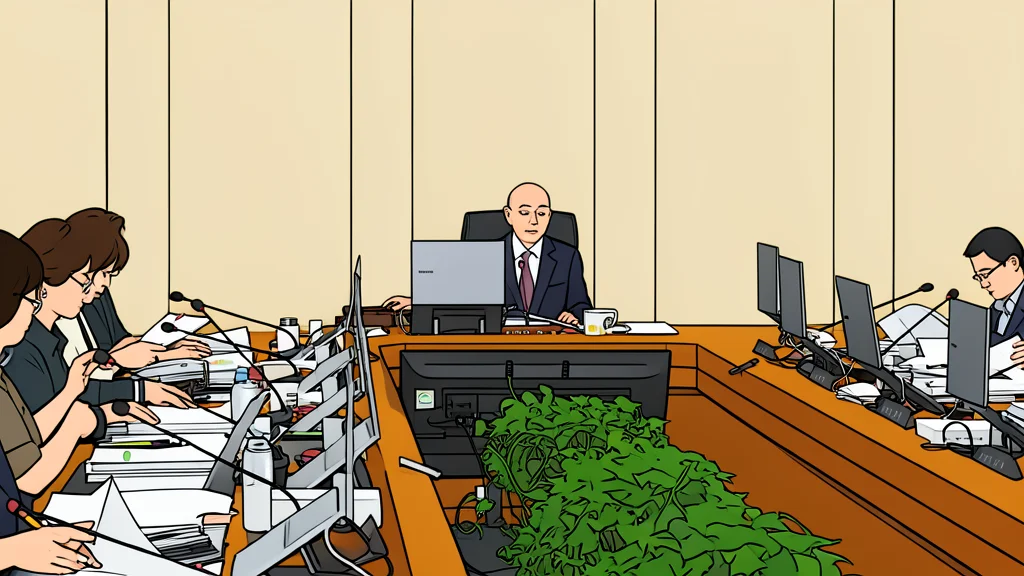
The National Human Rights Commission faces internal division over a proposal to revoke its prior recommendation regarding the former president's legal rights.
South Korea’s National Human Rights Commission has placed a contentious motion on its plenary agenda, seeking to rescind a prior recommendation that guaranteed the defense rights of former President Yoon Suk-yeol. According to GN geopolitics/rights (en-US), this marks the first time the proposal has advanced to a formal vote after 66 days of procedural delays and internal disagreement among commissioners.
The motion, jointly proposed by five commissioners in July, aims to nullify a February decision that affirmed the former president's right to non-custodial investigation during his impeachment proceedings. Proponents of the new motion argue that the earlier stance undermined the commission's independence by shielding a leader accused of insurrection, while opponents contend that reversing a legally processed recommendation damages the institution's credibility and stability.
Commissioners Split Over Institutional Precedent
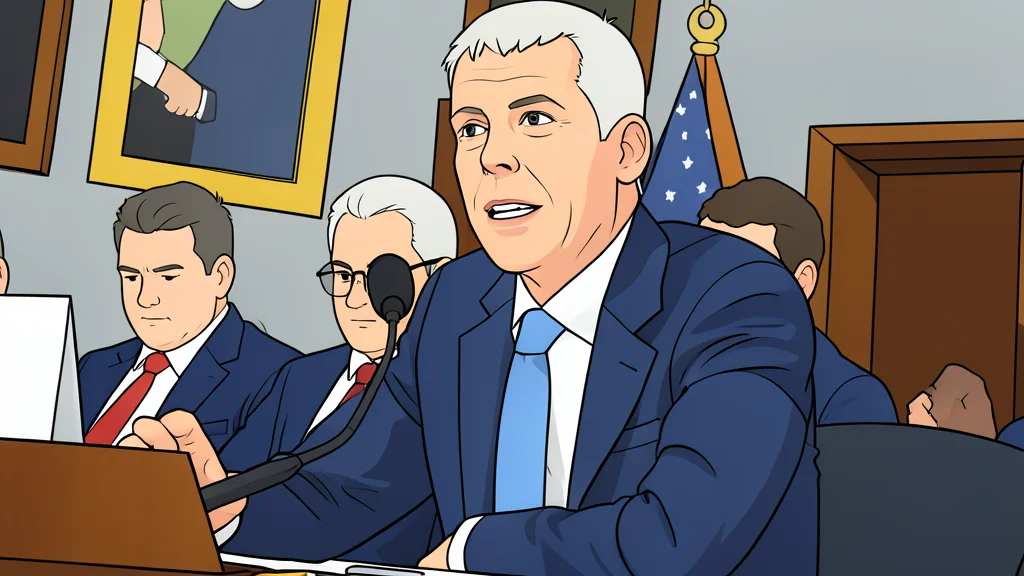
Chairman Ahn Chang-ho argued during the plenary session that the commission's previous recommendations must be respected in a state governed by law. He stated that abolishing past decisions based on changing political environments or commission composition undermines public trust. Non-Standing Commissioner Han Suk-hoon echoed this view, noting that the original recommendation had already been processed by relevant institutions, making its nullification legally and procedurally invalid.
In contrast, Standing Commissioner Lee Sook-jin maintained that the commission had been criticized for protecting the leader of an insurrection. She and other proposing commissioners emphasized their sense of responsibility to correct what they viewed as a misstep in the commission's neutrality. Non-Standing Commissioner Sora Mi further argued that the earlier decision effectively advocated for the former president rather than upholding general human rights principles.
Political Context of the Debate
The dispute reflects broader tensions within the commission, which currently includes a mix of right-leaning and other commissioners. The original motion to guarantee defense rights was passed in February, but subsequent attempts to place the abolition motion on the agenda failed due to divided opinions. Some members viewed the abolition as an attempt to endorse the December 3 emergency martial law, while others saw it as a necessary correction to preserve the commission's integrity.
Next Steps for the Plenary
The commission is expected to continue deliberations during the current plenary meeting to determine the final outcome of the motion. The decision will likely influence how the commission handles future recommendations involving high-profile political figures. Observers are watching to see if the commission can resolve this internal conflict without further eroding its perceived independence or legal standing.