India and China Maintain Cautious Posture on Border Despite Reported Troop Shifts
New assessments suggest a reduction in Chinese forces along the Line of Actual Control, though both nations retain significant combat readiness.
The Indian Ministry of Defence has described the situation along the northern border as positive, citing a notable reduction in the deployment of People’s Liberation Army forces. According to the 2025-26 Annual Report, this shift marks the first official acknowledgment of de-induction, a process where troops are withdrawn from frontline areas rather than merely disengaged. However, the report maintains that both sides continue to retain adequate combat potential, reflecting a cautious approach to operational readiness despite the improved diplomatic climate.
While the reduction in Chinese military presence is a significant development, analysts note that the overall strategic balance remains intact. Approximately 15 brigade-group-sized forces are still estimated to be positioned along the Line of Actual Control. The Indian Army’s deployment is described as robust and well-poised, indicating that New Delhi is not reducing its own force levels in tandem with Beijing’s withdrawals. This mutual retention of strength suggests that while tensions have eased, the underlying military posture remains vigilant and prepared for any emerging contingencies.
Sustained diplomatic engagement drives stability
The stabilisation of the border situation is attributed to consistent bilateral interactions at multiple levels. The report highlights that the 33rd and 34th rounds of the Working Mechanism for Consultation and Coordination meetings in 2025 played a crucial role in managing friction. Additionally, the resumption of Special Representative talks in late 2024 and mid-2025 has provided a structured platform for addressing the broader boundary question. These diplomatic efforts are complemented by regular Border Personnel Meetings, which maintain a cordial environment for resolving minor issues on the ground.
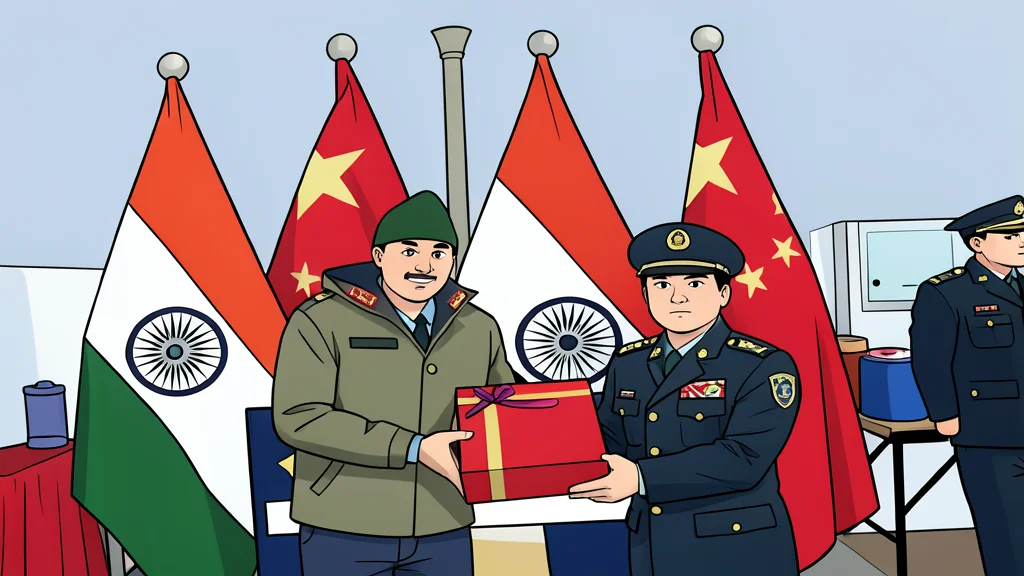
According to GN auto geopolitics/asia-pacific: India China border, the military dimension of these talks remains significant. The 23rd Corps Commander Level Meeting held in Eastern Ladakh in October 2025 was noted for reinforcing stability. This high-level engagement allows both sides to communicate directly on operational matters, reducing the risk of miscalculation. The continuity of these interactions suggests that both governments view border management as a priority, aiming to prevent localized incidents from escalating into broader geopolitical tensions.
Complexity of boundary resolution processes
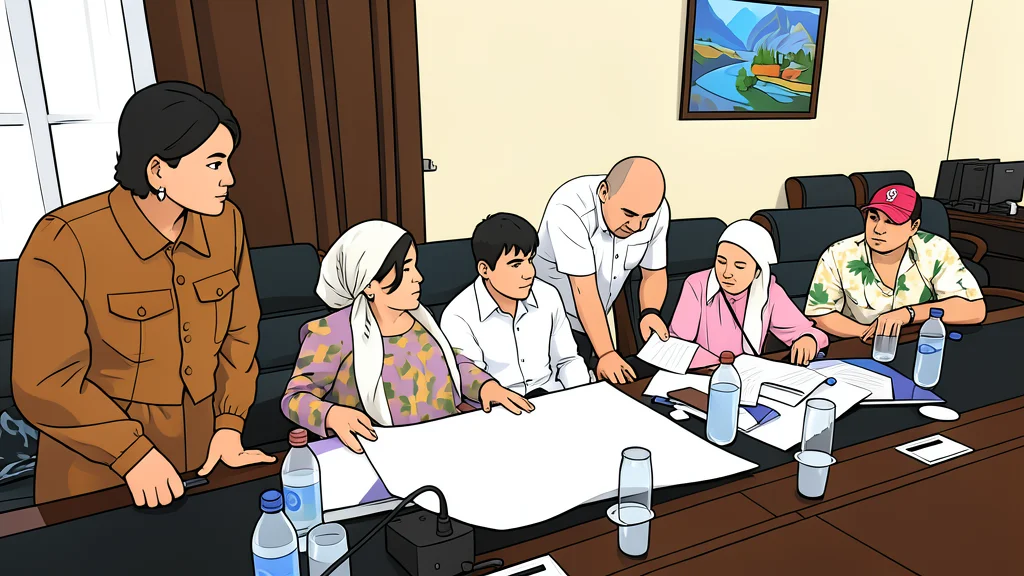
Although there is mention of an 'Early Harvest' proposal for boundary resolution, particularly in the Central Sector, experts suggest that tangible progress will be slow. The process involves three distinct stages: delimitation, delineation, and demarcation. Delimitation requires a conceptual political agreement on the alignment of the boundary, while delineation involves the cartographic process of surveying maps and exchanging approvals. Finally, demarcation is the physical marking of the border on the ground, a task that requires significant logistical effort and time.
These procedural steps are not merely technical but are deeply intertwined with political dynamics. The timeline for completing these stages could span several months or even years, depending on the stability of overall India-China relations. Any fluctuation in the broader diplomatic relationship could stall progress in these technical committees. Therefore, while the reduction in troop numbers is a positive indicator, the path to a final boundary settlement remains long and complex, requiring sustained engagement and trust-building between the two nations.
Forward outlook for border management
Looking ahead, the focus will likely remain on maintaining the current trajectory of de-escalation while advancing the technical aspects of boundary resolution. Observers should watch for further rounds of Special Representative talks and any additional reports on force deployments. The ability of both sides to manage the 'three Ds' process without letting political disputes disrupt the technical work will be a key indicator of long-term stability. For now, the border remains a zone of managed competition, where military readiness and diplomatic dialogue proceed in parallel.