European Leaders Convene in Rovaniemi to Address Arctic Shifts
Amidst thinning ice and heightened military tensions, European heads of state gather in Finland to coordinate a unified response to changing realities in the Arctic region.
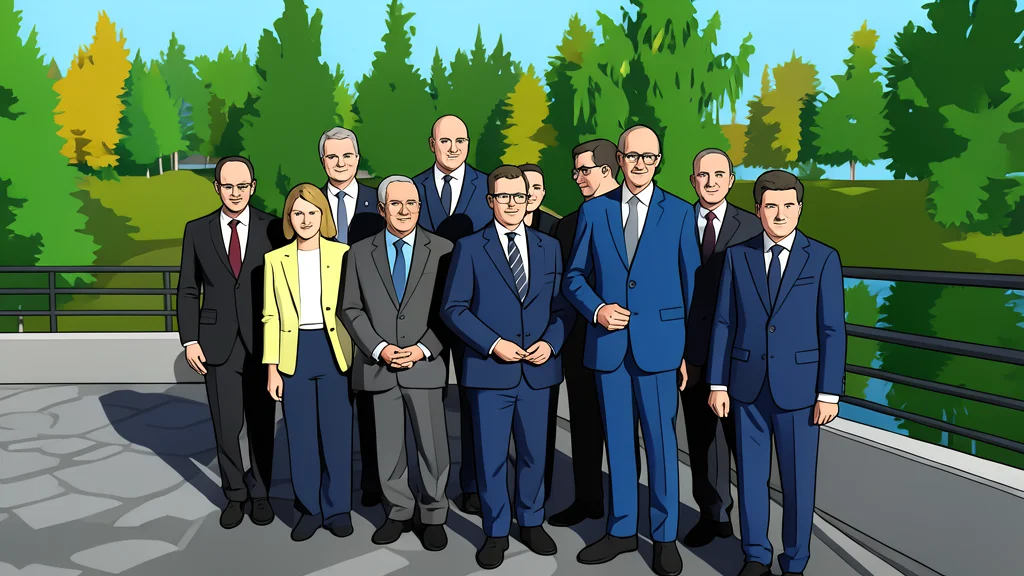
European leaders convened in Rovaniemi, Finland, for a summit focused on the evolving strategic landscape of the Arctic. The two-day meeting, which began on Sunday, brings together key figures including German Chancellor Friedrich Merz and Danish Prime Minister Mette Frederiksen. Their presence underscores the region's growing significance for European security and economic interests, particularly as climate change accelerates the opening of new maritime corridors.
The discussions come at a sensitive moment, following a recent incident in which Norway seized a Russian vessel in the Svalbard archipelago at Ukraine’s request. This action drew sharp condemnation from Russian President Vladimir Putin, adding a layer of diplomatic friction to the proceedings. Finnish Prime Minister Petteri Orpo emphasized the need for a "common understanding" and concrete collaborative actions to navigate the complex mix of opportunities and threats facing the region.
Resource Competition and Climate Drivers
A central theme of the summit is the economic potential unlocked by global warming. As sea ice recedes, new shipping routes are becoming viable, attracting trade from various nations, including China. According to the Centres for European Policy Network, this dynamic backdrop is intensified by the strategic importance of the Northeast Passage for maritime shipments, especially in the context of instability around the Strait of Hormuz. The region’s vast mineral resources further intensify competition among global powers seeking access to these materials.
The summit also serves as a preparatory step for a significant update to the European Union’s Arctic policy, expected to be released this autumn. Analysts describe the current gathering as a dress rehearsal for this revamp, which marks the first time security has been placed at the center of the strategy. This shift reflects a broader recognition that economic development in the Arctic cannot be separated from military and geopolitical stability.
Security Concerns and Diplomatic Tensions
Security remains a paramount concern, driven by a visible Russian military buildup in the region. European officials are working to define a coordinated response that balances deterrence with diplomatic engagement. The recent seizure of the Russian vessel in Svalbard highlights the potential for direct confrontation, necessitating a clear framework for managing incidents and protecting sovereign interests. The leaders aim to establish a unified position that can withstand external pressures and internal divergences.
Additional diplomatic complexities arise from U.S. President Donald Trump’s persistent interest in Greenland, a self-governing territory of Denmark. His repeated assertions that the island should be part of the United States have created friction within the transatlantic alliance. In response, European Commission President Ursula von der Leyen announced a package of 200 million euros in support for Greenland over the next two years, aimed at bolstering climate resilience, digital infrastructure, and education. This move is intended to strengthen Greenland’s ties with the EU and counter external influence.
Forward-Looking Strategic Priorities
As the summit concludes, attention turns to the implementation of the agreed-upon principles and the upcoming EU policy revision. The next steps will likely involve concrete measures to secure maritime routes, protect critical infrastructure, and manage resource extraction sustainably. The success of these efforts will depend on the EU’s ability to maintain cohesion among member states with varying national interests and geopolitical alignments.
Observers will watch closely for how the EU navigates the balance between economic opportunity and security risk in the Arctic. The interplay between climate change, great power competition, and regional diplomacy will continue to shape the region’s future. The outcomes of this summit will set the tone for Europe’s approach to one of the world’s most strategically and environmentally significant areas in the coming years.